WHAT’S ON
The STREAM Week Experience
By : Isabel – 5B
Imagine learning Math, Science and Engineering in a fun way in a week. Hi, my name is Abel. Today I am going to share about the amazing week we had and what we did.
On the first day we went to the 2nd floor around 10 o’clock to see the Ed Tech exhibition. The students would make technology-related projects. They would use basic coding to make a trash bin that can open itself. Then they would showcase their projects to the other grade levels. There were also some hands-on exhibits that let us try by ourselves.
Then on the 2nd day we had Reading activities which are part of the STREAM. We did a writing workshop with Karya Raya. The speaker is the founder and he told us about the importance of writing because it helps us in our study. Then we had to write a story on a paper then told it to other people.
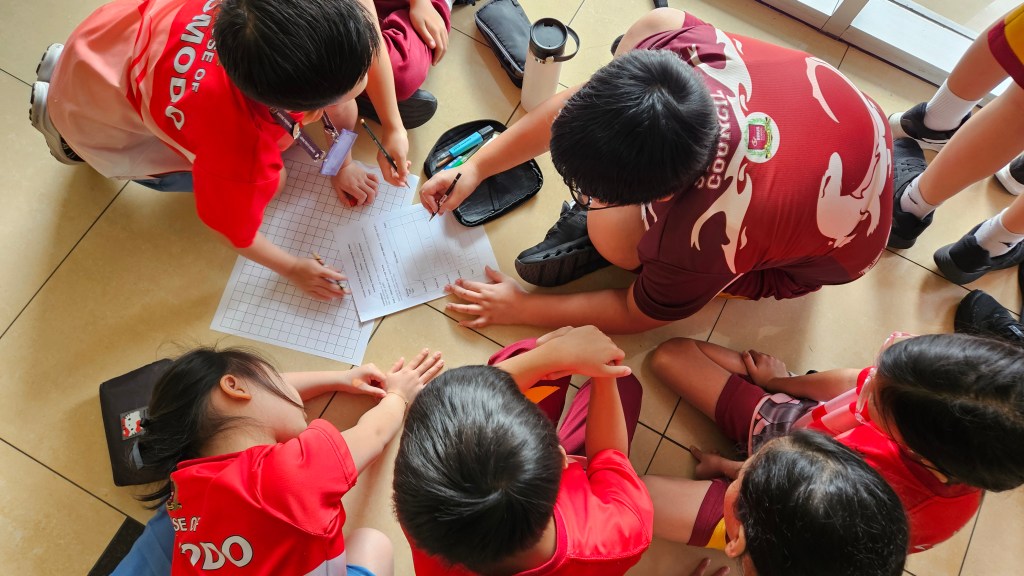
On the 3rd day we had to do the Math activities. It’s called Math Amazing Race. We were put in a group of five and we had to do sections of math activity. If you got the answer correct, you would get a flag representing your house color. Whoever got the most flags would win and you would be randomly teamed up with grade 3,
grade 4, and grade 5. The experience was fun, some of the challenges were hard and challenging but some were easy. The winner of the math amazing race was The House of Cendrawasih.
On the last day of STREAM week, we did the science activity. We were visited by the science teacher of MYP and DP, teaching us about the experiment we did and how it happened. Then Science Magic Indonesia came to do a very cool experiment. They put some liquid in a plastic bag then it would expand then explode.
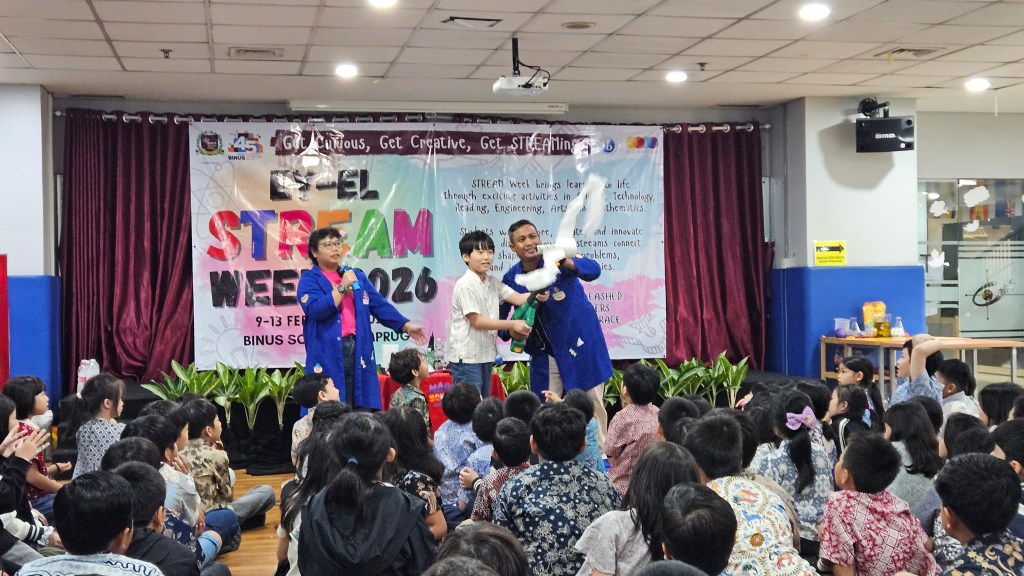
Overall, STREAM week was really fun. We learned a lot and we also had a lot of fun. With all those experiences we encountered and experienced, we didn’t even realize that we learned about topics that most of us disliked. I am looking forward to the next year’s STREAM Week.
Exploring How We Organise Ourselves in Grade 3
By: Eka Fridayanti (Grade 3 Teacher)
Central idea: Marketplaces rely on the production and distribution of goods and services.
Lines of Inquiry:
- How goods and services are produced and distributed
- Responsible consumption and production of goods and services
- Medium of exchange in various marketplaces
- How marketplaces depend on distribution of good and services
Approaches to learning:
- Social Skills: Collaboration during group activities and events
- Communication Skills: Sharing ideas, communicate with the groups
Learner Profile:
- Knowledgeable
- Principled
- Communicator
Subject Focus:
- Social Studies: Understanding marketplaces, barter and trading
- Mathematics: Applying concepts of money, capital and profit in the real-life situation
To unlock the central idea, students began by expressing their ideas and sharing their prior knowledge about marketplaces and giving examples by showing videos and slide presentations, so the students understand what they are going to learn in this unit. The students also learned about goods and services by sorting them out and explored the differences between traditional and modern markets using a Venn diagram.
Moreover, students collaborated to create a timeline showing how money has developed over time, from bartering goods to using modern currency. They also designed their own currency, applying their creativity and understanding of the features and purpose of money.
Grade 3 Barter and Trading Day
To extend their learning, the Grade 3 students held a Barter and Trading Day on November 3, 2025. The activity helped students understand the idea that marketplaces rely on goods and services.
The event took place in the 5th Floor Tower A Foyer, and Grade 1 and Grade 2 students were invited to join. The foyer was full of excitement as students traded items to meet their needs and wants.
Students brought at least five items from home such as toys, stationery, books, or keychains and tote bags to carry the goods they received. They enjoyed negotiating, comparing choices, and deciding what to trade.
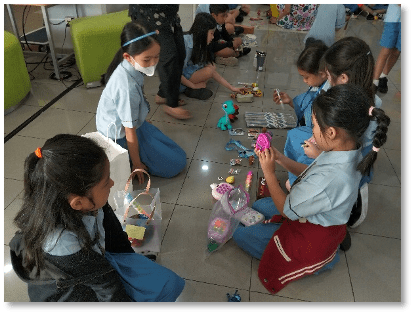
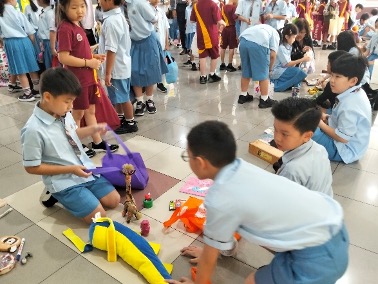
During the activity, students practiced communication, problem-solving, and teamwork. They learned how bartering works and how people can exchange goods without using money. It was wonderful to see students from different grade levels working together with respect and fairness.
The event was a fun and meaningful learning experience. Thank you to the teachers and students from Grade 1 and Grade 2 for joining us. We look forward to more activities together!
Field Trip to Bank Indonesia Museum
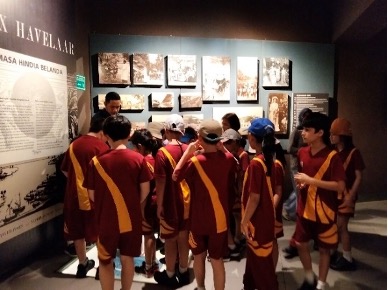
The Grade 3 students went on a field trip to Bank Indonesia Museum to learn about the history of money and the features of currency. They discovered how money has changed over time, from bartering and using coins and paper money to modern digital payments. They also learned how banks work and why money is important in everyday life.
Ongoing Assessment – Grade 3 Bazaar – Marketplace Experience Day
Learning Goals:
- Help students understand how marketplaces work through real-life experience.
- Learn that people buy items to meet their needs or wants.
- Develop entrepreneurship skills such as planning, budgeting, selling, and promoting products.
- Practice communication and negotiation skills while working with customers.
- Calculate profit, give change, and manage money responsibly.
- Develop teamwork and collaboration by planning and running a booth together.
- Apply creativity in designing booth decorations and advertisements.
- Build confidence when interacting with customers and presenting products.
For their final assessment, Grade 3 students organized a bazaar. To raise money, they helped with chores at home for one month. They used the capital to buy goods to be sold. This hands-on activity helped them learn about capital, profit sharing, and teamwork.
Before becoming young entrepreneurs, students learned about Indonesian rupiah through mock buying and selling activities to practice using money confidently.
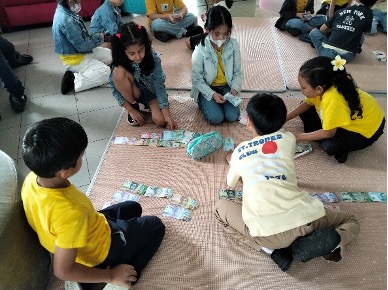
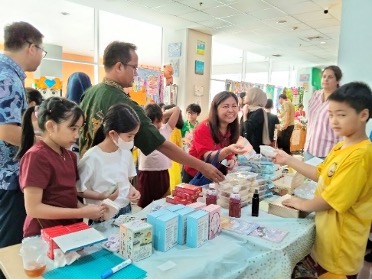
Students designed their booth decorations and created creative booth names such as Funtopia, Makjace, Stancy Store, Fancy Store, K-SHOW and many more. With support from their parents, they prepared various items to sell. The bazaar was exciting and colourful, and students were able to apply their learning in real-life situations, demonstrating strong teamwork and entrepreneurial skills.
Through this bazaar experience, students learned how to sell products, persuade customers, calculate profit, give change, set up a stall, and create advertisement posters.
Through this unit, students developed a deeper understanding of how marketplaces work, the importance of responsible consumption, and how money is used as a medium of exchange. They strengthened essential social and communication skills while demonstrating key IB Learner Profile attributes. This learning experience helped them apply knowledge in real-life situations and grow as thoughtful, responsible, and confident young learners.
My Experience as a Newscaster
By: Carter Surya Putra – 5A
Monday, 27 October 2025

Have you ever wondered what it’s like to be on national TV and become a newscaster?
Hi! My name is Carter! My team and I created our very own news report, and today I’m going to share what it felt like to be a newscaster and how we made our project.
How it all began
It all started when we learned about kids spending too much time on the internet and the problems that can happen because of it. We found out that apps like YouTube and Roblox can become daily habits for many kids. Our teacher gave us a topic and told us to make a newscast about it.
How we did it
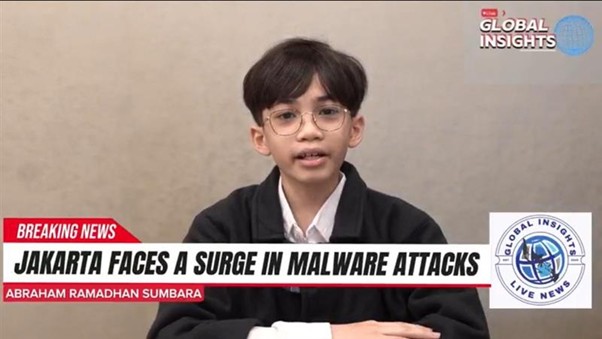
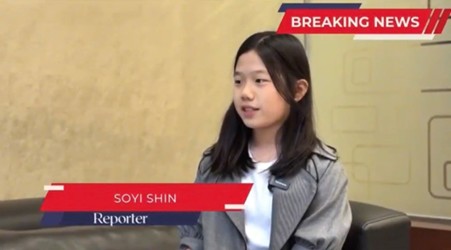
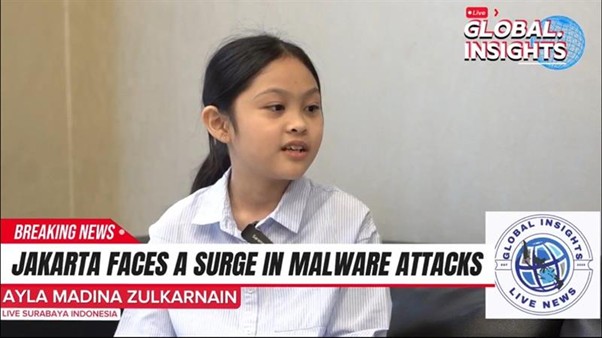
We began by planning our script – what we would say, what kind of mental health issue we would show, and how we would record it. I was the interviewer, while Josh played the victim. We also had a cameraman and a newscaster. We researched how the internet affects people’s mental health. Then we wrote our script carefully so that it was easy to understand. Each of us practiced our parts many times before recording. After filming, we edited the video to fix small mistakes, remove background noises, and make smooth transitions.
Connection to UOI and ICT
This project connects to our Unit of Inquiry, “How We Express Ourselves,” because we learned how to share ideas and messages about real-life issues. It also links to ICT because we used technology for editing and video production. We learned that we can express ourselves not only through words but also through multimedia
The most challenging part
The hardest part was making sure the video looked professional. We had to pay attention to our body movements and use proper grammar so our message was clear. It took patience and teamwork to get it right!
The most interesting part
The most interesting part was filming in three different locations — the indoor playground, the Discovery Room, and in front of the counsellor’s office. It felt so creative, just like how real news reporters’ film in different places to make their stories more interesting. Overall, being a newscaster was a fun and meaningful experience. I learned how to work as a team, communicate clearly, and be creative while delivering an important message. It made me realize how much effort goes into making a news report.
I hope this inspires you to try being a newscaster someday too!
Field Trip to Museum Bahari
By: Vihaan – 5A
Friday, 24 October 2025
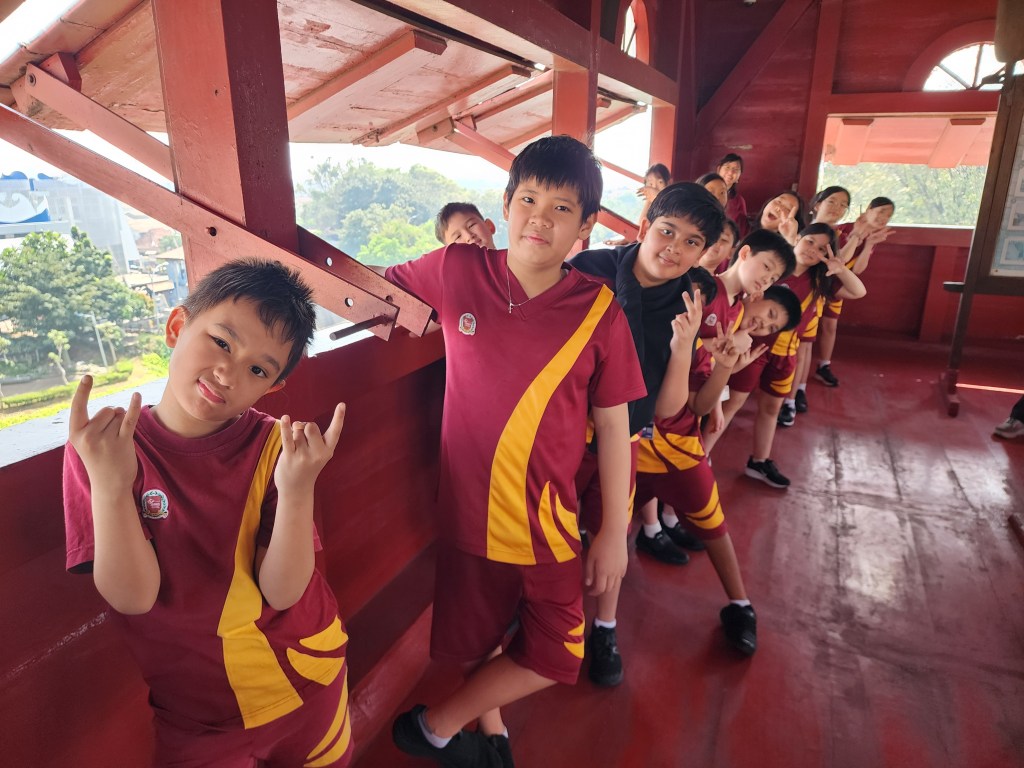
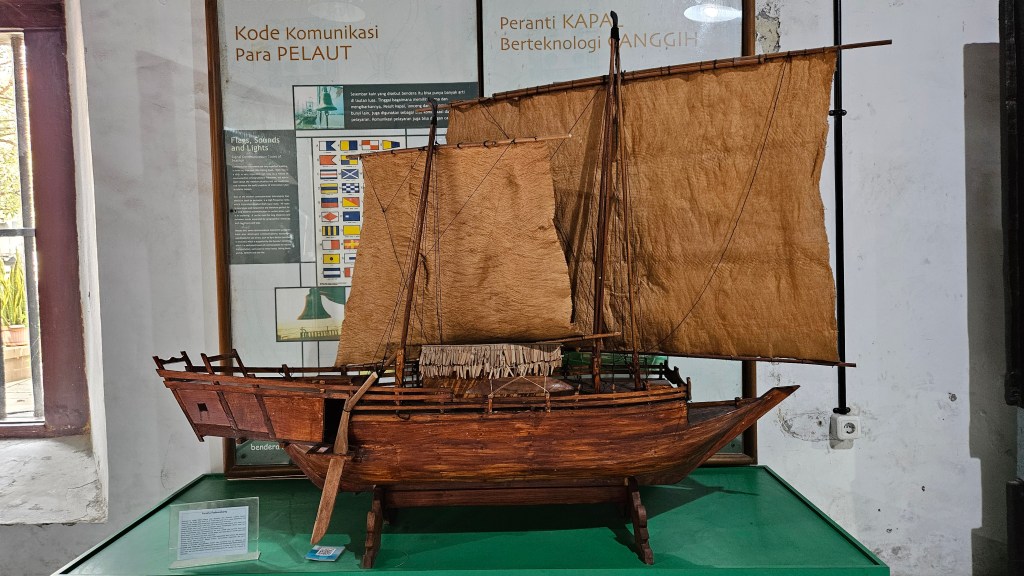
On September 10th, we had an amazing privilege to go to Museum Bahari. When we stepped inside, we blasted back into the past! We were immediately greeted by the guides. They were very kind and ready to assist us, and we were ready to learn and explore! Firstly, we went to a sort of lighthouse shaped tower-like structure, where you could see the river and boats. Then we went to a segment of rooms explaining the colonization of Indonesia and the reasons why Indonesia was colonized. The guides explained in perfect detail of the reasons about the spice trade, why Indonesia was colonized, and the different spices involved. We were intrigued and fascinated on how Indonesia has changed from being a hotspot for spices at one point in time, to what it is right now!
We even got to see some of the spices in a special room. It sure smelled like a diverse kitchen, but it was extremely fascinating! After looking at the spices and the famous colonialists of Indonesia, we went to this room where there were beanbags on the floor, and a projector about to start a series of videos. Once we settled in, the videos were played. The videos were amusing, factual, and easy yet a lot to understand. Some of us even used empty bean bags as blankets or footrests. We found out why the museum was called Museum Bahari, and the brief history of it. After watching the videos, we went to another area in the museum where there was an exhibition.
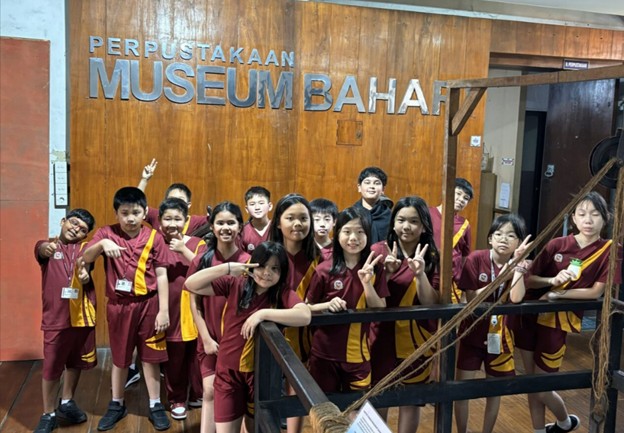
The exhibition was quite unique and interesting. Firstly, there was a TV explaining an ancient civilization in Indonesia which was heavily influenced by China and India. There were even ancient artifacts proving the existence of civilization, which we found extremely important and had many thoughts and wonders about. With the artifacts there we learnt a lot about the past of that civilization on how it was a sort of bridge to India or China in some incoherent and coherent ways. The guides explained the enriched history following the artifacts in full detail, even making some modern term connections which made us even more intrigued! Once we exited the exhibition area, we went to another area where they had boats, paddles, and other stuff used for fishing, or anything boat or ship based.
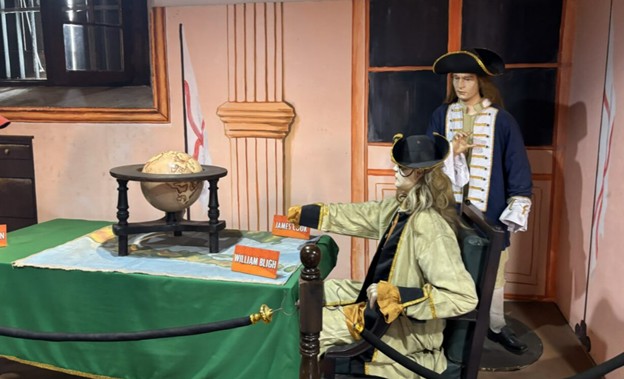
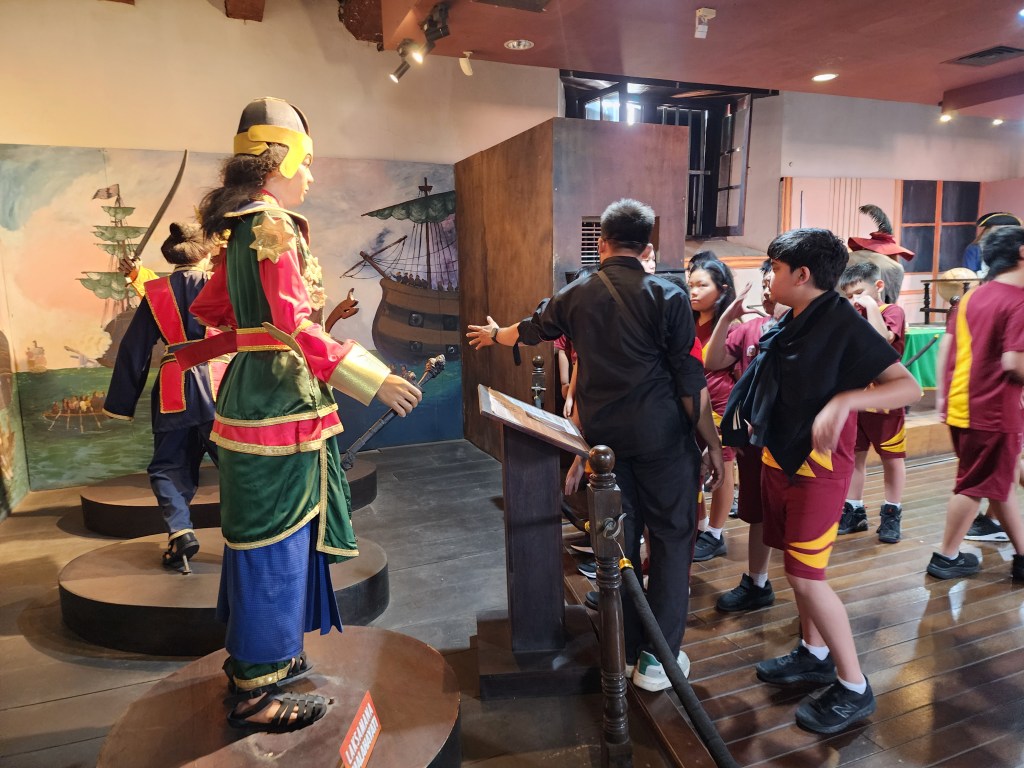
We learned about how the Dutch exploited the sea to colonize Indonesia, and the reasons why the Dutch focused using the sea a lot for Indonesia. We found out about various artifacts, and the most interesting part is knowing that this museum was a part of an old city that once existed. It was called Batavia. We learnt that the museum was a part of Batavia. What really made us laugh and learned a lot was how the guides would make modern slang connections yet still explained relatively professionally and easily. We also got to touch some of the old boats. They felt quite different from the boats these days but carried a historical past to each and every one.
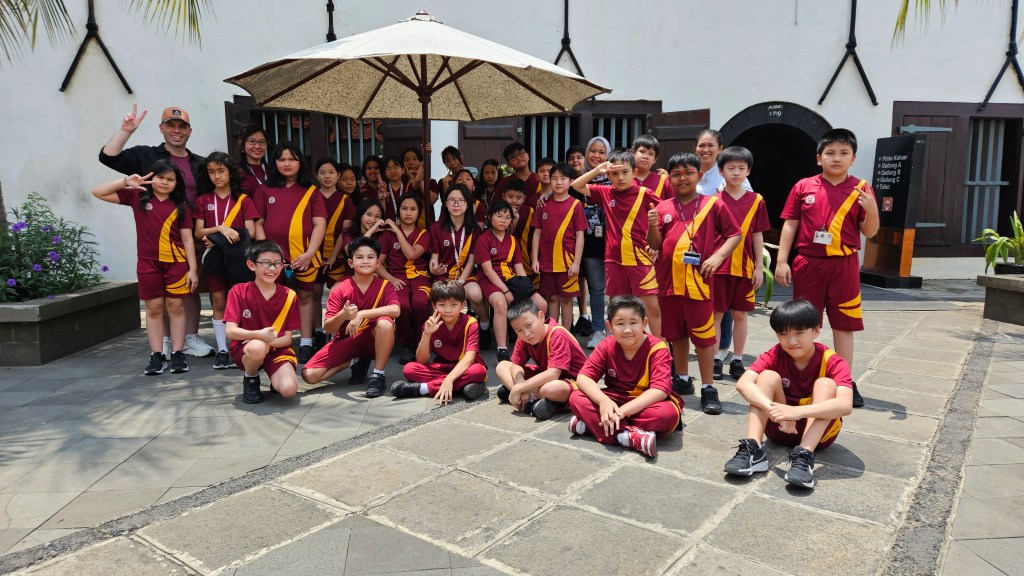
Finally, we went to an area which had an entire steering wheel from a ship that was used at one point in history! And we also went to the borders of the museum, which was the borders of Batavia in the past, whereas the guides explained that soldiers would be shooting trespassers there at the border. After that wonderful experience we had to go back to school. We said our goodbyes to the guides and thanked them for allowing us to embark on that amazing experience! We had fun, explored, and learnt in Museum Bahari. We were astonished by the vast history, and the enriched past of Museum Bahari as a whole. We are extremely grateful to have the experience of embarking on a journey at Museum Bahari.
The Bantar Gebang Field Trip
By: Devansh – 5B
Tuesday, 21 October 2025
Last week, the whole Grade 5 went to a place called Bantar Gebang in Bekasi, Indonesia. We had to reach before 7:40 a.m. to not be late and miss the bus. Just after 7:40 in the morning, we marched downstairs with joy and excitement as we approached the ground floor. As we reached the lobby, we walked to the bus we were assigned to, Class 5B and some students of Class 5A sat in the big bus. While the leftover 5A went inside the small van and both the bus and van left together to Banter Gebang. In the bus, I sat with my friend Kazuma, and we talked for a while in the 1-hour long trip. After some continuous talking, we got very tired and immediately fell into a deep slumber.
What was supposed to be a 1-hour trip seemed like a 10-hour one as there were endless roads here and there and everywhere around us but in no time, we had reached Bantar Gebang. We all had woken up and felt relieved that we had finally reached but we couldn’t see the van which should have reached by now and after some time, the teachers had realised that we had reached the wrong place and thus we had to go back again in the bus and sit again until we reached the right place.
After about 25 minutes, we had finally reached the correct destination, and we also reunited with our friends from 5A. There was a bearable stench, but it had ended after we had gone in a small room with some chairs. In that room, we had met a person who was showing a video about the Bantar Gebang factory and what happens with the trash and waste that gets transported in the factory landfill. We then went upstairs while the person was talking about the different mechanisms in the factory. When we reached the top floor, he told us about two types of ash, fly ash and ground ash. He told us that fly ash is the ash collected from the air when something burns, and ground ash is the ash that is still on the ground and is collected from it after something is burned down. He also told a lot about mechanisms that churn down the waste into at least seven hundred kilowatts of electricity that is used to power the whole entire factory and keep it running.
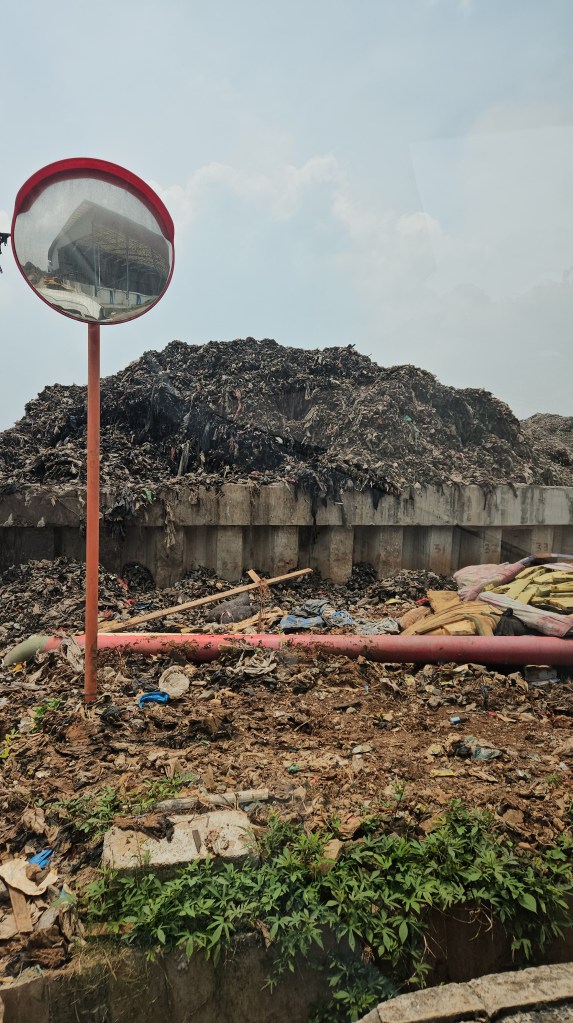
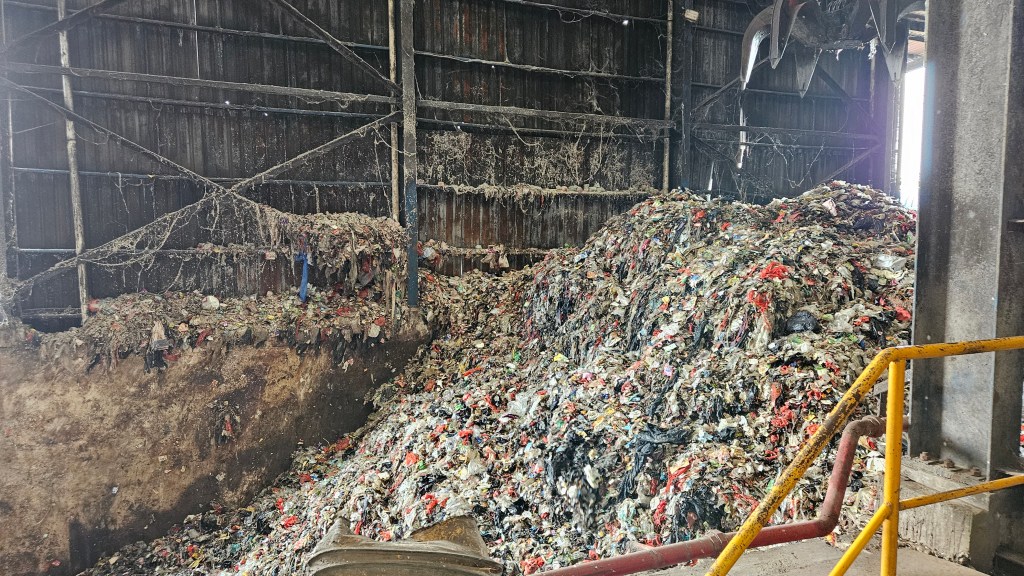
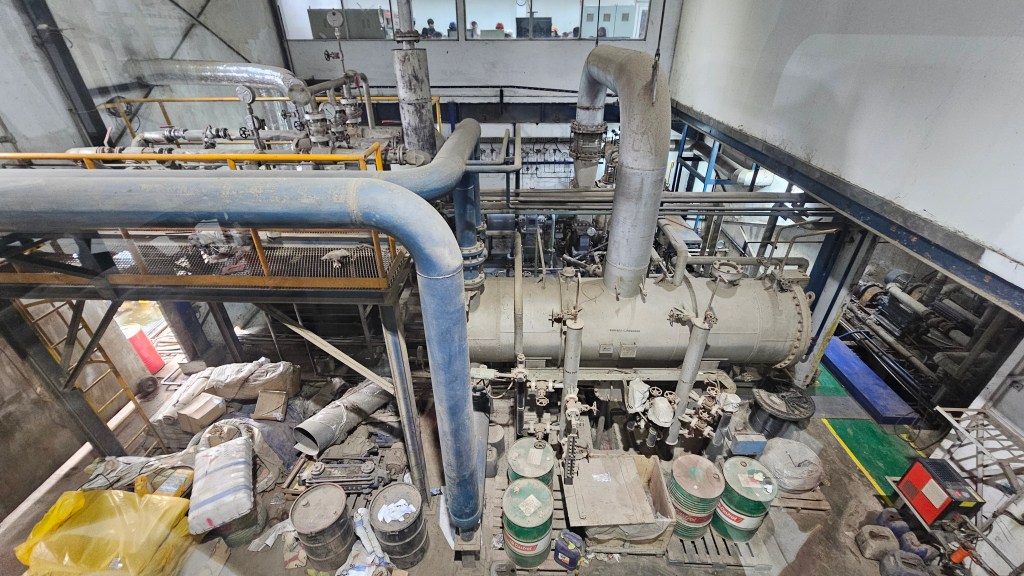
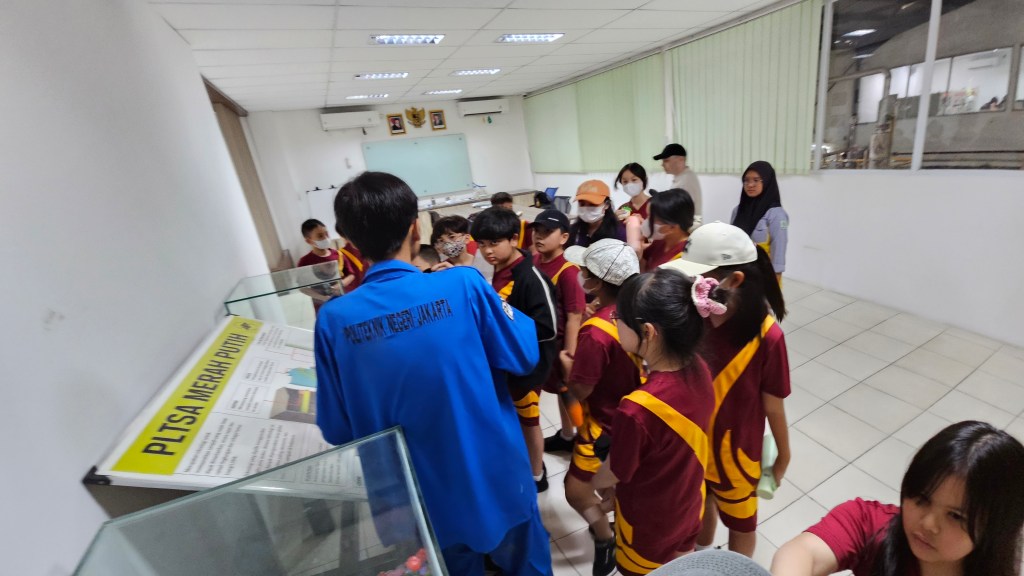
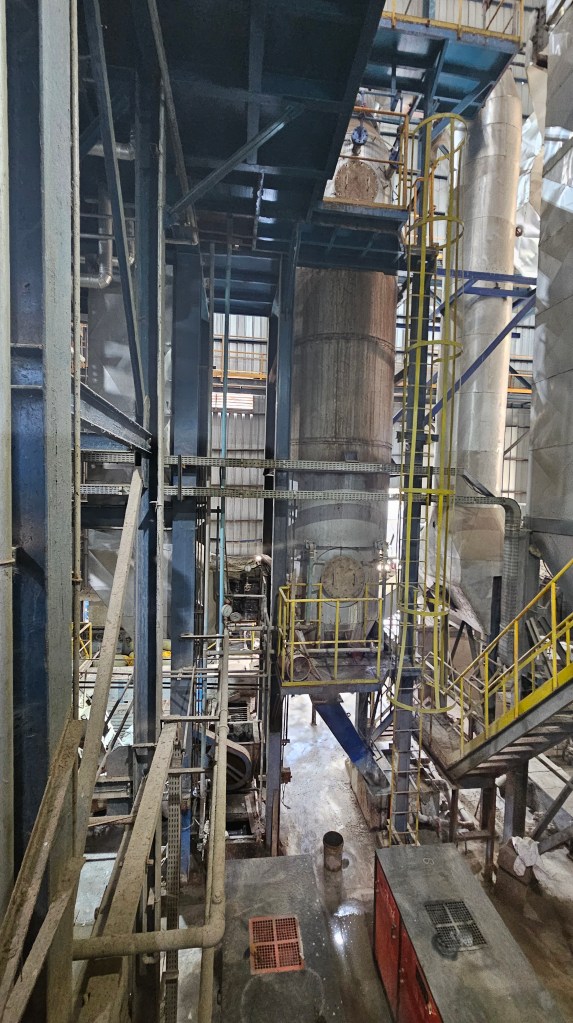
We were shocked by hearing that waste and trash can be turned into electricity, especially 700 kilowatts! The person then showed us around the top floor. We saw a beautiful bag which we thought was just some normal bag for display but then, Ms Priyanka came and explained that the bag in display was not a regular bag but a bag that was made by recycling the waste materials. After some time, we went to the main point of the top floor, The Control Panel. We saw at least thousands and thousands of buttons in the control panel. We also saw CCTV cameras and understood that they were installed to ensure safety of the factory and the power plant. It was also to ensure that the people working can take immediate action if something goes wrong. We then saw a door but as we opened the door out of curiosity, we had regretted our decision because we saw a big and humongous landfill filled with at least 80 tons of waste and trash produced by the whole Jakarta. Not only that, but there was also a powerful and stinky stench of the trash bursting out of the door like it finally got the chance the escape from the landfill and seeped into the control panel.
The staff then immediately acted and closed the door right in time. We were relieved that now the smell was not there, and we could breathe oxygen again. We then left the control panel. We went back into the small room where we watched the movie and started asking questions out of curiosity to gain more general knowledge which could help us in our PYPx and fortunately, we ended up asking lots of meaningful questions. After that we left the factory and waved goodbyes to the staff working and sat in the bus. We now were going to another factory of Banter Gebang which was some minutes away. After some time, we had reached the second factory. It was an office corridor and hall. When we went in, the unexpected had happened. We were called by the teachers to follow them but when they stopped, we saw a giant red staircase. We had to take off our shoes and when we climbed those stairs, we saw a whole cinema in front of us.
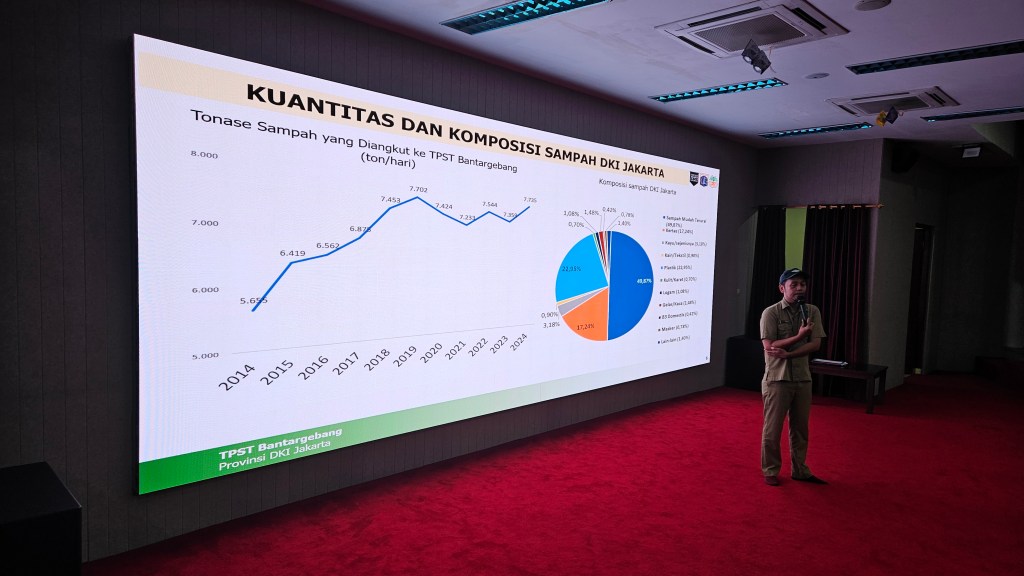
We then saw a video on the big, wide screen in front of us. The video showed that where the trash was burnt in the landfill and how they extinguished the fire produced while burning the trash. We had gained a lot of knowledge by watching that video. It was then time to go back to school from the Bantar Gebang fieldtrip in Bekasi. On our trip back to school, we ate lunch in the bus because we were so hungry while learning about the trash materials and how it is recycled into lots of useful materials such as electricity. It was also a long way back to school so we talked with our friends and some had already slept due to the exhaustion. After some time, we had finally reached school from the Banter Gebang field trip and everyone claimed that they had fun and they liked the Bantar Gebang field trip very much.

KidPublish Writing Competition
By: Shaylene – 5B
Monday, 20 October 2025
It all started when I was looking through my MS Teams, and I saw Ms. Priyanka’s post saying there were still spots for the KidPublish Writing Competition. After reading it, I asked my mother if I could sign up. When she said yes and had already informed Ms. Monica, I promptly registered. I was so happy and started imagining what it would be like if I won the competition.
During our practice sessions, I found out that we needed to write a story about any type of octopus, but it had to be based on scientific facts. That was challenging for me because I was more used to writing fictional stories.
I also learned that some of my Grade 5 friends, Soyi, Hilary, Devansh, and Radian, were joining too. Through our practices and small assignments, I started to feel confident that I could do well.
The competition was held at Bunda Mulia School in Ancol, which took quite a while to get to. When I arrived, I was greeted by Hilary, who had already been there for hours. Ms. Kathie and Ms. Monica gave us our stickers with numbers that showed where we would sit. Before entering, we took a group photo together. Since I was in Category B, I was escorted to a smaller room. Inside, I saw lots of photos, pages of paper stapled together, and a very comfortable chair that I happily sat on.

After the supervisors gave instructions, the timer started. Unfortunately, even though I had practiced by writing some chapters beforehand, I suddenly forgot them all! Luckily, I still remembered a little bit of the first chapter. The pressure was building up, and I struggled with time management and how to write a strong story. But I overcame it with confidence and determination to finish. It was a difficult challenge, but I managed to complete it and I wondered if this experience would help me face even bigger challenges in the future.
Then came the PYP Exhibition, which everyone said would be the toughest part of PYP. We knew it wouldn’t be easy. It wasn’t going to be “easy peasy” like jumping once for an assessment in Grade 1! Thankfully, my experience in the competition helped me manage my time and stay calm under pressure. Another challenge I faced was being the leader of my PYP Exhibition group. It wasn’t easy being responsible for the team, but I learned a lot about leadership and perseverance.
Overall, joining the KidPublish Writing Competition was an amazing experience. It not only helped me grow as a writer but also prepared me for bigger challenges ahead.
“Taman Safari Bogor Visits BINUS SCHOOL Simprug”
By: Sylvia Rakhmi Dwi Iswari (Grade 3 Teacher)
Friday, 19 September 2025
What could be more exciting than a safari park bringing its experience to our school? On Wednesday, September 17, 2025, we had the privilege of welcoming the Taman Safari Bogor team to BINUS SCHOOL Simprug — especially for our Grade 3 students.
Before the visit, students watched three short videos sent by Taman Safari. These videos introduced the activities at Taman Safari and explained the 10 Pathways — values and habits we are encouraged to adopt in our daily lives. The students also received a passport, which we can now use to reflect on and write our intentions for applying the pathways.
Since we have three classes in Grade 3 (3A, 3B, and 3C), the program was divided into three sessions held at the B1 Indoor Playground:


The event began with students lining up to receive a stamp in their passports. As an icebreaker, the Taman Safari team invited everyone to do animal dances — moving like elephants, tigers, and orangutans. The students had a wonderful time, with some giving very convincing performances!
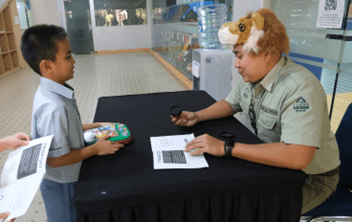
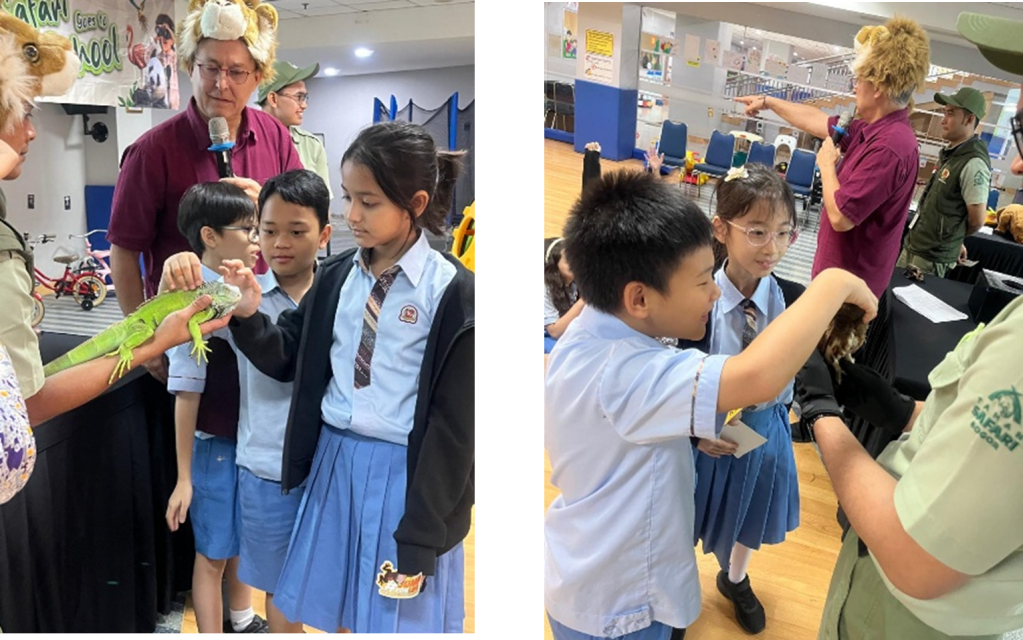
Next, a short video was shown about endangered animals, sparking curiosity and concern among the children. Then came the highlight of the day: the animal encounter. Students were invited to guess which animals Taman Safari had brought.
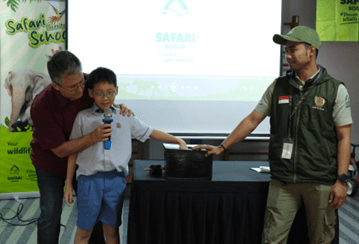
Next, a short video was shown about endangered animals, sparking curiosity and concern among the children. Then came the highlight of the day: the animal encounter. Students were invited to guess which animals Taman Safari had brought.
To wrap up the session, the Taman Safari staff held a short quiz. Students eagerly answered questions about the videos and the animals they had just met. Those who answered correctly received stickers as rewards.
The visit ended with happy faces and big smiles all around. Our students not only enjoyed the experience but also learned valuable lessons about animal conservation. Thank you, Taman Safari, for giving us such a meaningful and unforgettable day!
Maintaining Personal Hygiene from an Early Age
By: Caroline Hilda Loho (PYP Bahasa Indonesia Teacher)
Maintaining personal hygiene from an early age is essential for children’s physical health, emotional well-being, and social development. Through routines such as hand washing, teeth brushing, bathing, hair washing, and nail care, children learn valuable life skills that prevent illness, build confidence, and encourage independence. When adults—teachers, parents, and health staff—model these habits consistently, children develop healthy routines that support their growth and success in school.
Hygiene Education in EY 1
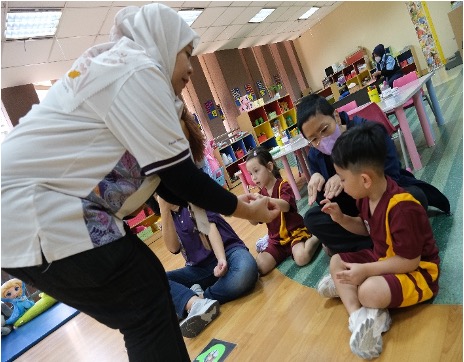
On August 21st, 2025, EY 1 students joined a session with Nurse Maria Susanti to learn about personal hygiene in fun and practical ways:
- Hand Washing: Students practiced washing hands with soap and water for 20 seconds, guided by songs to make it enjoyable
- Dental Hygiene: Using a 3-D tooth model, child-friendly toothbrushes, and songs, Nurse Maria showed proper brushing techniques and emphasised brushing twice a day
- Bathing and Body Care: She reminded students to bathe regularly with mild soap, rinse thoroughly, and dry well
- Hair and Nail Care: Students learned how to wash and comb hair and trim nails properly to stay clean and prevent germs
Benefits and Values
Developing hygiene habits early lays the foundation for lifelong healthy living. It helps children stay physically well, boosts confidence, and supports positive social interactions. These routines also reflect BINUS SPIRIT values:
- Excellence: Discipline and consistency in self-care show dedication to high standards.
- Integrity: Respecting one’s body and showing consideration for others demonstrates integrity in action.
Summary
The session’s activities were engaging and enjoyable, helping children see hygiene as both fun and important. More than keeping them healthy, these habits build independence, responsibility, and values that guide them beyond the classroom.
Experiencing and Exploring Nature – Field trip to Godong Ijo
By: Meylia Rianawati (Grade 3 Teacher)
Monday, September 8, 2025
A field trip is always an exciting experience for students, especially when it takes them outdoors to explore nature. It offers not only adventure but also meaningful opportunities to observe their surroundings and gather new knowledge beyond the classroom walls.
On Monday morning, August 4, our group set off from school to Godong Ijo for a much-anticipated field trip. Nineteen eager students climbed aboard the bus, chatting excitedly about what awaited them. For many, field trips are among the most memorable parts of each unit—moments when they get to see, experience, and discover new things firsthand.
Making a Boneka Potty
Our adventure began with making Boneka Potty. But what exactly is a Boneka Potty? It is a planting medium made from sawdust, shaped like a doll. When watered daily, green grass sprouts from the top of its head, resembling hair.
During this activity, students created their own Boneka Potty using flannel fabric, beads, and glue to decorate and shape the dolls. The students truly enjoyed this hands-on experience, as it allowed them to express their creativity and bring their own ideas to life.
Planting an Asoka in the pot
At Godong Ijo, our students also had the opportunity to learn how to plant Asoka. Before beginning the activity, the instructor explained the meaning behind the plant’s name—Asoka means “without sorrow” or “to remove sorrow.” Originally from India, this plant is considered sacred in Hindu culture.
After hearing the story of the Asoka, the students moved on to the planting session. Guided step by step by the instructor, they carefully removed the seedling from its plastic bag, placed it into a pot, added soil, and finished by tucking a fertilizer pill into the soil. The clear instructions allowed every child to follow along with ease.
Our Grade 3 students enjoyed this hands-on activity, especially using their bare hands to connect with nature. For many, it was their very first experience planting a tree—an exciting and memorable moment.
Observing Reptiles & Touring Mini Zoo
Visiting the reptile section at Godong Ijo was an exciting highlight for our students. With guidance from a reptile expert, they were able to get up close and personal with different reptiles, including snakes, turtles, geckos, and lizards. The students touched, observed, and learned about the unique body parts and special characteristics of each animal.
For many, the most unforgettable moment was holding and touching a snake—an experience they had never tried before. They also enjoyed feeding the gentle giant turtles with kangkong leaves inside their enclosure, a rare opportunity that left them both amazed and delighted.
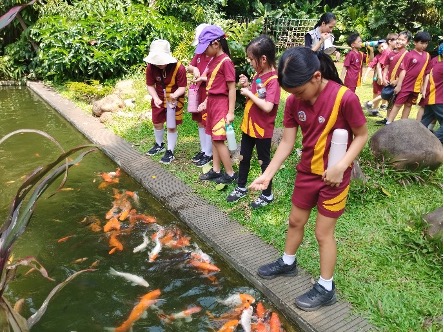
After leaving the reptile area, we continued our journey to the Mini Zoo. Here, the students were introduced to various animals, including rabbits, chickens, swans, fish, and peacocks. The guide shared interesting facts about each animal—their behaviors, unique characteristics, natural habitats, and the ways they adapt to their ecosystems.
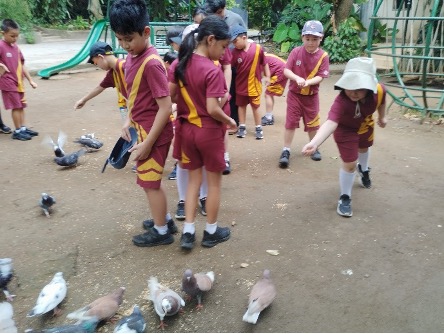
Then, the students happily scattered seeds for the doves and fed the fish in the pond—activities they found especially fun and exciting.
Education farm
As they walked along the trails, students were introduced to a variety of plants growing around the small farm. They had the opportunity to learn about different species that are valuable not only to humans but also to other living things. The knowledgeable staff guided them through each plant, explaining its name, uses, and benefits, as well as how it adapts to its environment. She also highlighted the unique characteristics that make each plant special.

Exploring Traditional Games
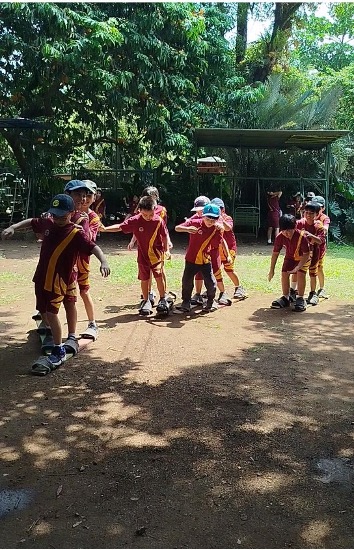
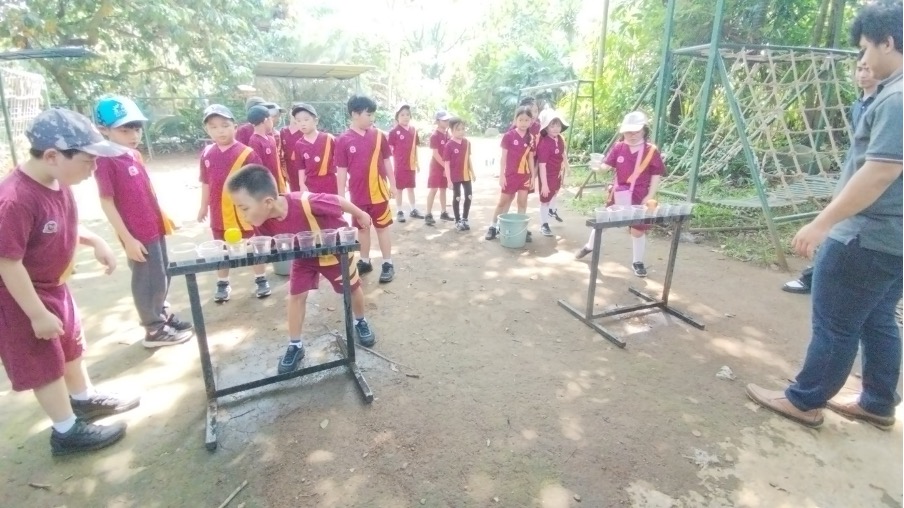
Playing traditional games was another fun way for students to explore culture at Godong Ijo, using significant traditional toys as part of the activities. They enjoyed games such as Tandem Bangkiak and Blowing the Ping Pong Balloon, which brought both excitement and challenge. Through these games, the students practiced the Binusian SPIRIT value of teamwork, learning to support one another whether they won or lost. Their motto throughout the activity was simple yet powerful: work hand in hand as a team.
At the end of the day, the students gathered for a reflection session to close our field trip journey. Many eagerly shared their favorite moments and explained why those activities stood out for them. It was clear from their stories and smiles that they thoroughly enjoyed the trip and are already looking forward to the next adventure.This educational experience not only nurtured a sense of responsibility and courage but also created lasting memories. By engaging directly with nature, the students were able to see the impact of their actions and deepen their appreciation for the environment—an experience both meaningful and inspiring.
Commemorating National Education Day with Traditional Games at BINUS SCHOOL Simprug
By: Caroline Hilda Loho (PYP Bahasa Indonesia Teacher)
Every May 2nd, Indonesia commemorates National Education Day. In celebration of this important occasion, on May 16th, 2025, BINUS SCHOOL Simprug organized a series of activities aligned with the Government Partnership Program by inviting students from nearby public schools.
One of the main highlights was a session dedicated to playing traditional Indonesian games, in collaboration with the Traditional Games Returns (TGR) Community—a non-governmental organization (NGO) dedicated to preserving and promoting traditional games.
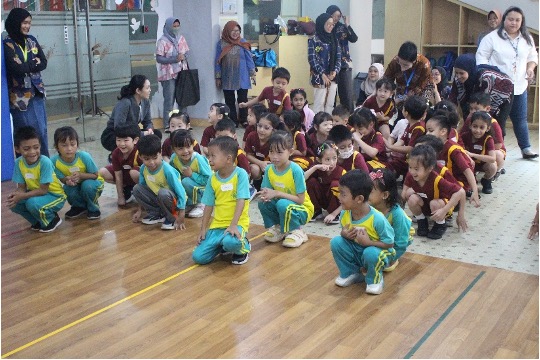
To introduce and explore these cultural treasures, BINUS SCHOOL Simprug welcomed EY 3 (TK-B) students from its own school and kindergarten students from PAUD Melati 02, a partner public school.
Why Traditional Indonesian Games?
Indonesian traditional games are rich in cultural and educational value. They offer children opportunities to learn about history, cultural identity, and moral values embedded in each game. Through play, children not only enjoy themselves but also gain meaningful insights into their heritage.
Games Played
The following traditional games were enjoyed by the students:
- Balogo: A traditional game from South Kalimantan involving coconut shell pieces (logos) used to knock down the opponent’s pieces. It can be played individually or in teams with varying rules.
- Lompat Karet (Rubber Rope Skipping): A popular children’s game involving a rope made from tied rubber bands. Players jump over the rope at increasing heights, from ankle to above the head.
- Ular Tangga Raksasa (Giant Snakes and Ladders): This oversized version of the classic game helps early learners develop cognitive skills, particularly number recognition for children aged 5–6.
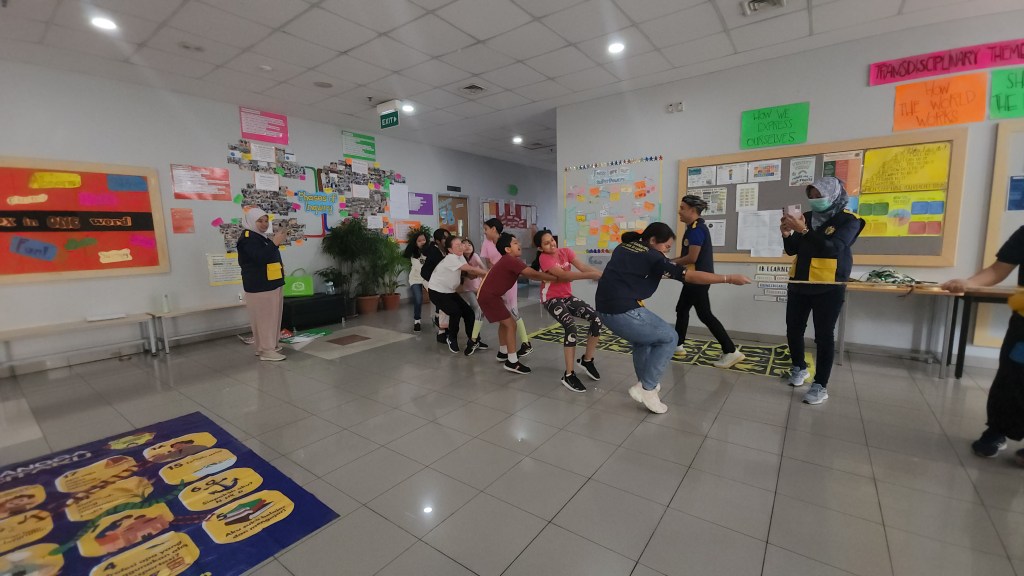
- Bulldozer: Players sit on a carpet and hold it above their heads. Following the leader’s command, teams move forward together, fostering teamwork and coordination.
- Tarik Tambang (Tug-of-War): Teams compete by pulling a rope toward their side. The team that succeeds in pulling the marked section of the rope past the center line wins. Judges supervise to ensure fair play.
- Cublak-cublak Suweng: A group game from Central Java involving a traditional song with moral messages about wealth, happiness, wisdom, and avoiding greed. It’s played while singing and interacting as a group.
- Ular Naga (Snake Dragon): Children form a line, holding hands to resemble a snake or dragon. They move while singing a song, with two players at the front acting as a gate trying to catch others when the song ends.
Benefits of the Activity
This initiative offered a range of benefits:
- Cultural Awareness: Children gained a deeper appreciation for Indonesian traditions and cultural heritage.
- Skill Development: Participants enhanced both physical and mental skills through engaging play — promoting the BINUS SPIRIT value of Perseverance.
- Collaboration and Communication: Playing in groups strengthened teamwork and social skills, supporting the BINUS SPIRIT value of Teamwork.
Enthusiastic Participation
Students from both BINUS SCHOOL Simprug and PAUD Melati 02 showed great enthusiasm during the event. They learned while playing, built meaningful connections, and developed key skills for their personal growth.
Conclusion
The celebration of National Education Day through this collaborative activity not only honored Indonesian cultural traditions but also reinforced the spirit of community between BINUS SCHOOL Simprug and its public school partners. Events like these enrich students’ learning experiences, foster creativity, and strengthen cultural bonds for a brighter future.
Let’s Learn and Have Fun With UNO POS Card Game
By: Devi Godri (PYP EFL Teacher)
I am sure almost everyone knows what the UNO card game is all about. It is now one of the most popular card games played worldwide. The original version is the cards are with numbers. Here, I would like to introduce you to a modified card game version. I named it UNO POS card game. POS stands for Parts of Speech. The cards consist of words instead of numbers. The words are examples of nouns, verbs, and adjectives, as seen in the picture above.

On March 17, our Grade 3 students had a chance to play the UNO POS card game. There were seven to eight students in one group. The rules are the same as those of the original UNO Card Game. Now, the challenge is for the students to recognize and identify the words in which part of the speech they belong to.
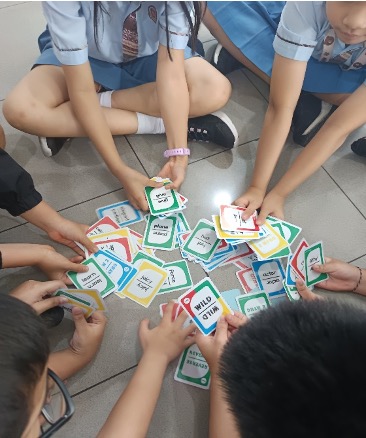
The purpose of this game is to let the students strengthen their understanding of nouns, verbs, and adjectives. The game fosters communication, laughter, and a bit of friendly competition, strengthening bonds between players. It is not just fun, but it’s also educational.
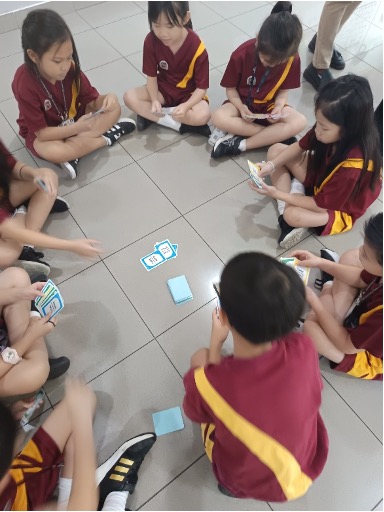
Playing the UNO Card Game is also beneficial for our mental health. It promotes relaxation and stress relief through the enjoyable game experience. It also boosts our mood and mental well-being through laughter and friendly competition.
Now that some of the benefits of playing the UNO POS Card Game are highlighted, particularly in terms of our mental and social-emotional well-being, we are encouraged to participate in a game that is good for us. UNO POS Card Game is an excellent choice to start with.
Passion Project Showcase 2025
By: Jenina Enriquez Siauw (PYP Homeroom Teacher)
BINUS SCHOOL Simprug held its first Passion Project Showcase on March 19, 2025. It is a special event that brought together students, parents, and teachers to recognize the remarkable efforts of students from Grades 1-4. Across multiple venues, students stepped into the spotlight, proudly presented their personal inquiries and shared the discoveries and challenges that shaped their projects.

This showcase marked the culmination of a journey filled with meaningful experiences. The students first identified their interests, then asked questions, conducted research, and made final products that reflected their understanding. After immersing themselves in their projects for weeks, they had the opportunity to articulate the depth of their exploration and hard work to the school community.
Throughout this process, the students developed essential communication, thinking, and self-management skills, while also demonstrating Binusian SPIRIT values like perseverance and innovation. Their work exhibited the IB Learner Profile attributes, showing their progress as inquirers, risk-takers, and reflective thinkers.
More than just a presentation, the Passion Project Showcase was a celebration of self-directed learning and growth. Every space was filled with vibrant energy and inspiring conversations about the children’s passions.
This event was a powerful reminder that when students take charge of their learning, they create something truly extraordinary. Congratulations to our students for making the first Passion Project Showcase an outstanding success! We cannot wait to see what amazing creations they come up with next.
Operation Opportunity: Empowering Change
How Grade 5 Students Are Raising Awareness and Combating Poverty
By: Monica Santi R. (PYP Bahasa Indonesia Teacher)
The Primary Years Program (PYP) Exhibition is a highlight of the school year, showcasing students’ hard work through independent inquiry projects. This year, one group stood out – Operation Opportunity. These students took meaningful action to address poverty and raise awareness about human sustainability.
Making a Difference
Operation Opportunity is on a mission to educate others about poverty and find sustainable solutions. They believe that by providing access to food, water, healthcare, and education, individuals can develop skills, earn a living, and contribute to society.
Activities and Actions
The students organized several impactful activities to learn more about poverty and take action.
Interview with Mr. Renz Calub at ASEAN Secretariat
On January 23, 2025, Maxene and Louie visited the ASEAN Secretariat Headquarters to meet Mr. Renz Calub, a Senior Finance Officer. They discussed how ASEAN combats poverty and the role of governments in ensuring sustainable growth.
Through this conversation, they learned that job creation and government support are key to reducing poverty. Inspired by these insights, they aimed to encourage their peers to think about global challenges and find ways to make a difference.
Creative Workshop with Recycled Batik
The group also participated in a Batik Workshop, where they created unique items using recycled batik fabric. This activity highlighted sustainability and equipped them with skills for future fundraising efforts.
Collaboration with Recycling Village
Operation Opportunity visited Recycling Village (RV) in Lenteng Agung, Indonesia. They met Ms. Sabrina Naula Allisha, the founder, and learned how RV helps women in need by turning plastic waste into fashion accessories.
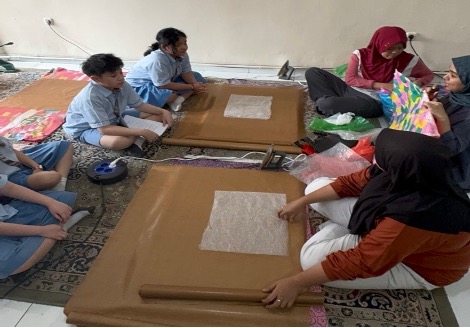
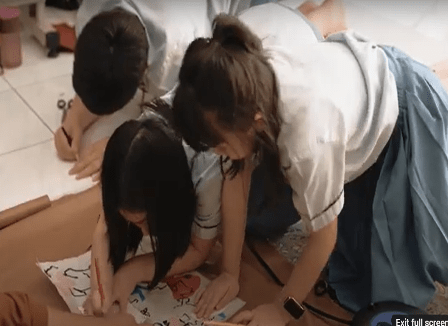
Since its launch in 2021, RV has trained 36 women and recycled over 4,000 kilograms of plastic into thousands of products. The students saw firsthand how creativity and sustainability can help the environment while supporting communities in need.
Fundraising Bazaar
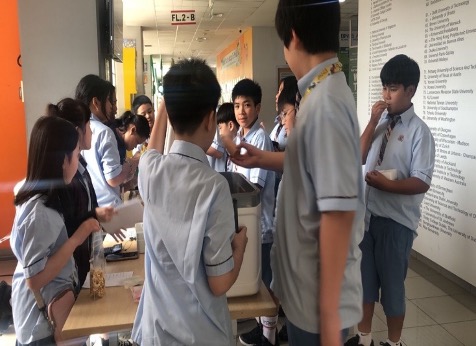
From February 17-20, 2025, the students held a fundraising bazaar on campus. They sold eco-friendly bags made from recycled materials, including the batik bags they created earlier. The event raised funds for Rumah Singgah, a shelter for those in need. The bazaar showcased their dedication to sustainability and helping others.
Transforming Rumah Singgah
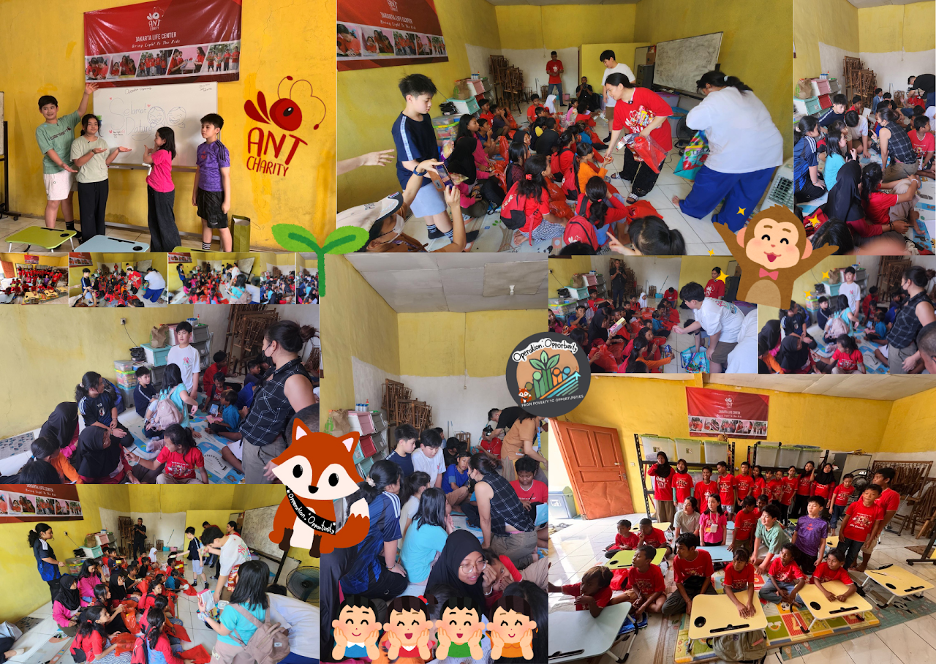
On March 8, 2025, Operation Opportunity, along with their teacher and parents, visited Rumah Singgah in Jakarta. Partnering with Ant Charity, they aimed to improve the shelter’s learning environment.
Ant Charity, established in 2011, focuses on helping underprivileged children by providing education and healthcare. It supports kids living in slums, waste collectors, and the children of poor farmers.
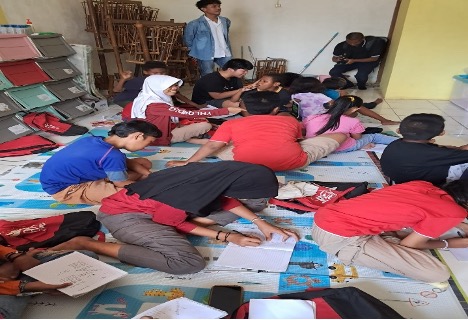
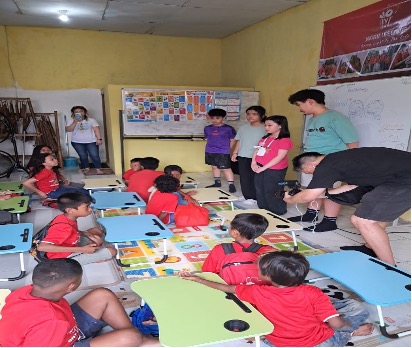
On March 15, 2025, the students returned to Rumah Singgah with supplies bought using the bazaar proceeds. They set up a mini library with books, stationery, carpets, and whiteboards to create a better learning space. Their efforts greatly improved the shelter’s facilities, showing their commitment to making a lasting impact.
A Lasting Impact
Operation Opportunity’s hard work has not only improved lives at Rumah Singgah but also taught the students valuable lessons about empathy and responsibility. Their dedication proves that young people can drive meaningful change in their communities.
Let’s celebrate Operation Opportunity’s achievements and continue supporting efforts to create opportunities for those in need. Together, we can make a difference!
Lunar New Year 2025 Celebration at BINUS SCHOOL Simprug
By: Huang Song ( PYP Chinese Teacher)
Monday, February 17, 2025
The Chinese New Year of 2025 has arrived! We bid farewell to the Year of the Dragon and welcome the Year of the Snake, embracing new beginnings and sending our best wishes for the year ahead.
The Chinese New Year, also known as the Lunar New Year, is celebrated not only in China but also in many other countries, including South Korea, Japan, Vietnam, Singapore, Malaysia, and Indonesia. While each country has its own traditions and customs, one common theme unites them all—the importance of family reunions. No matter where people are, they make every effort to return home to celebrate the New Year with their loved ones.
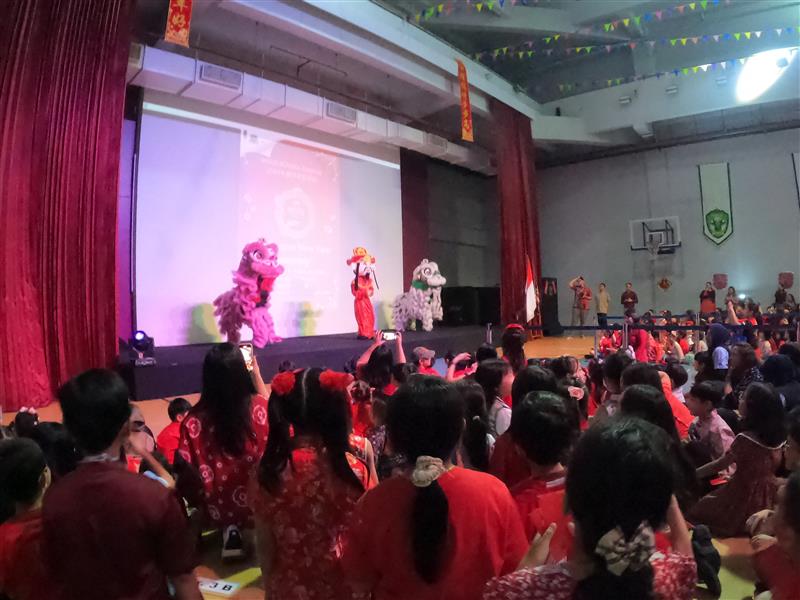
At BINUS SCHOOL Simprug, parents, students, and teachers came together to celebrate this meaningful occasion. This year’s primary school celebration was filled with excitement and cultural appreciation. Students performed a short drama retelling the story of “Nian”, a legendary tale about the origins of Lunar New Year traditions. Fourth-grade students introduced the various customs of celebrating the Lunar New Year across different countries, while two fifth-grade students demonstrated how to make dumplings, an essential dish of the Chinese Spring Festival.
During the question-and-answer session, students eagerly participated, answering questions about Lunar New Year traditions. Those who answered correctly received special prizes, adding to the festive spirit.
One of the most anticipated moments of the event was the lion dance performance! This year, the school invited a professional lion dance team to enhance the celebration. With the booming sounds of gongs and drums, the lion danced energetically, while children and parents held red envelopes and prayed for good fortune, bringing the event to its peak of excitement.
The 2025 Lunar New Year celebration at BINUS SCHOOL Simprug ended with laughter and joy, creating cherished memories for everyone involved.
This wonderful event was made possible through the unity and dedication of our faculty, staff, students, and parents. We sincerely wish you good health, happiness, and prosperity in the New Year!
Happy Lunar New Year!
BINUS SCHOOL Simprug 2025年农历新年庆祝活动
2025年” 春节” 已来到,我们送走了龙年,迎来了蛇年,辞旧迎新,送上祝愿!中国新年又称农历新年。不仅在中国庆祝农历新年,还有很多国家都会庆祝。比如:韩国、日本、越南,新加坡,马来西亚,当然还有印尼。各国都有传统的庆祝活动和风俗习惯,但是有一点都是相同的,那就是家人团圆。无论你身在他乡,此时此刻都会赶回家中,跟家人们团聚在一起迎接新年的到来。
BINUS SCHOOL Simprug学校的家长们、学生们和老师们都会在学校欢聚一堂,来庆祝农历新年。今年小学部的庆祝活动热闹非凡,气氛活跃。学生们表演了小话剧,讲述了 “年” 的故事。四年级的同学介绍了不同国家庆祝农历新年的风俗。五年级的两位同学为我们展示了怎么制作饺子,饺子是中国春节必不可少的传统食物。问答的环节学生们积极回答关于农历新年风俗的问题,答对了的学生可以收到一份礼物。最热闹的时刻一定就是舞狮队的表演了!今年学校又邀请了舞狮队参加庆祝活动。锣鼓喧天,雄狮起舞,孩子们和家长们手拿红包,醒狮祈福,把庆祝活动推向了高潮! 今年农历新年的庆祝活动在一片欢声笑语中结束了,留下了一个幸福而美好的瞬间。这是所有教职员工,学生们家长们团结协作,努力付出的结果。衷心地祝愿大家在新的一年里:身体健康、心想事成、新年快乐、恭喜发财!
Batik-Making Activity
By : Annisa Maharani (PYP Indonesian Language and PPKN Teacher)
Tuesday, October 29, 2024
Batik is one of the original arts and cultures of Indonesia. It has been recognized by UNESCO since October 2, 2019, as an Intangible Cultural Heritage (ICH). As a result, every October 2 is designated as National Batik Day, and we are so proud!
In relation to the current Grade 2 Unit of Inquiry, “How we express ourselves,” the Indonesian language class discusses various types of arts in Indonesia, one of which is batik.

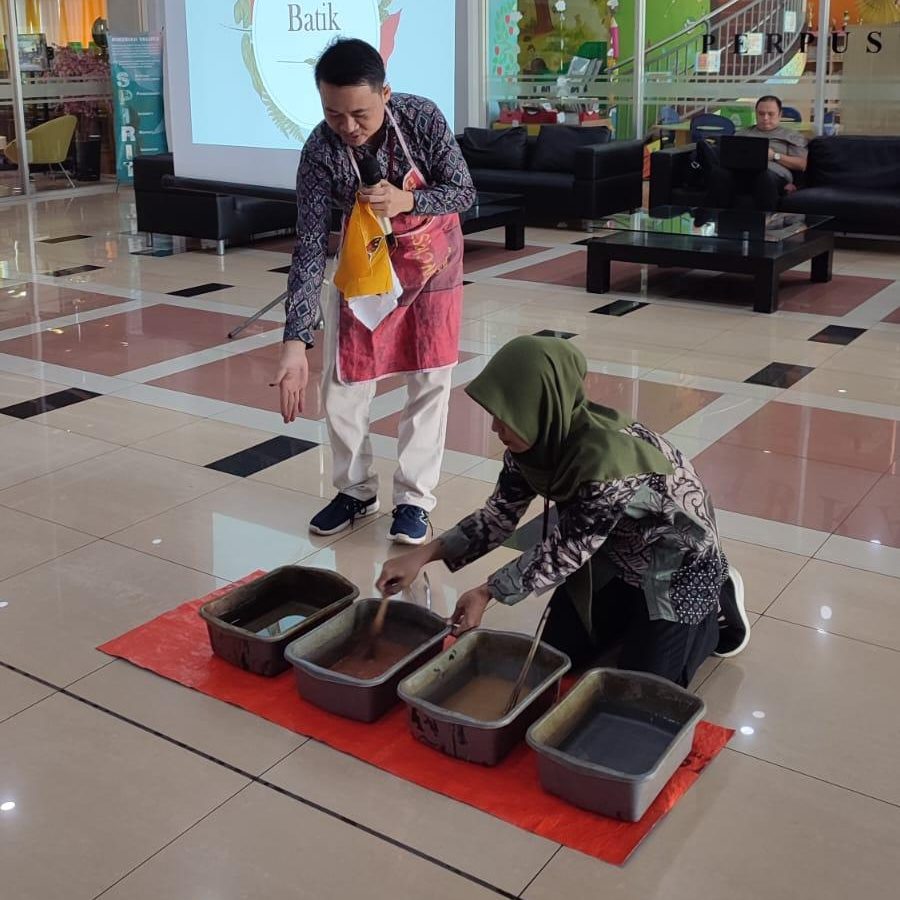
We invited Tanah Liat Batik Citra to demonstrate the batik-making process, allowing students to experiment with it directly. The students learned about the materials needed to make batik such as cloth drawn with motifs, canting, malam (batik ink), and hot water.
Patterned cloth was distributed to students in pairs, along with heated malam to use with the canting on the pencil lines of the motifs. The activity continued with coloring the batik cloth using basic colors: red, blue, and orange. After coloring, the cloth was placed under the sun to dry.
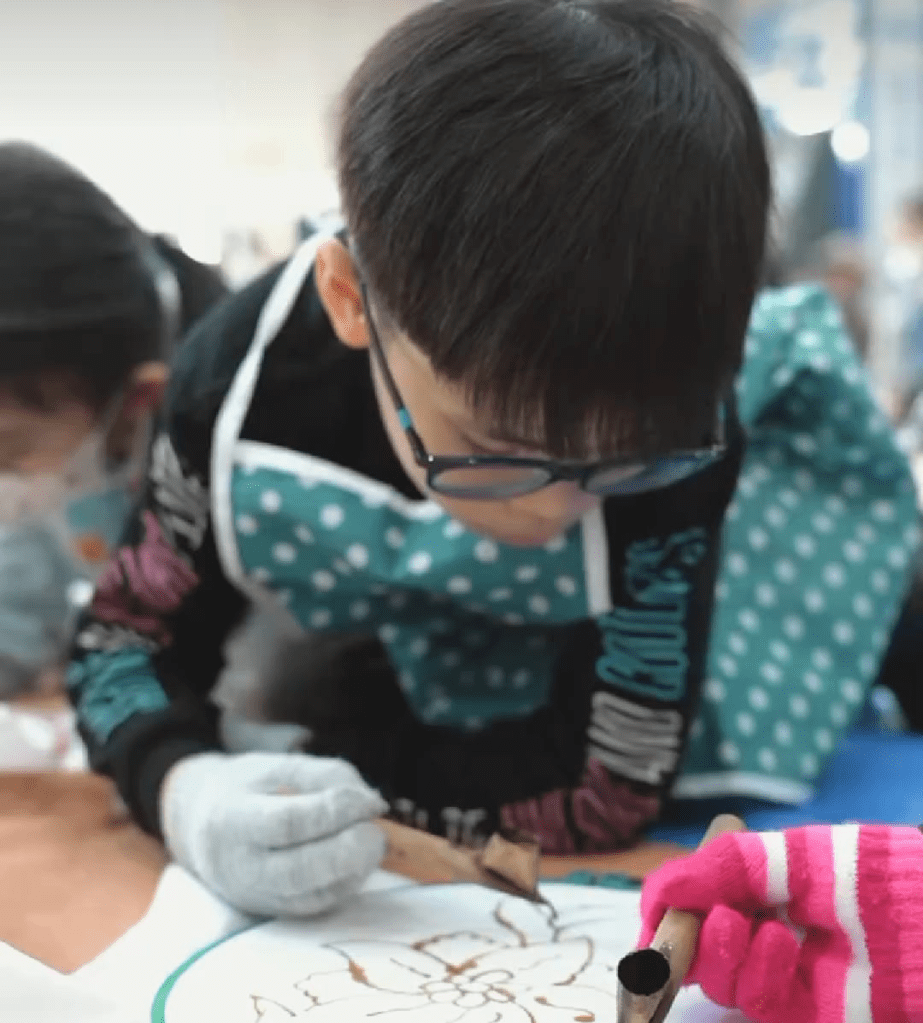
While waiting for the cloth to dry, hot water was prepared to soak the dried cloth. This soaking process is called Pelorodan and is done to remove the malam that sticks to the cloth. After that, the process continued with coloring the base of the batik cloth and drying it again until completely dry.
During this batik activity, students were enthusiastic about following the instructions from beginning to end. They learned that the batik-making process involves several stages.
The batik pieces created by the students were exhibited at the Grade 2 Art Exhibition on Wednesday, August 28, 2024.
We hope that this activity encourages students to appreciate and preserve the art and culture of their own country by experiencing the batik-making process firsthand.
Grade 5’s The Living Explorers Museum
By : Cheng Mu Qing (Steven – 5B)
Monday, September 23, 2024
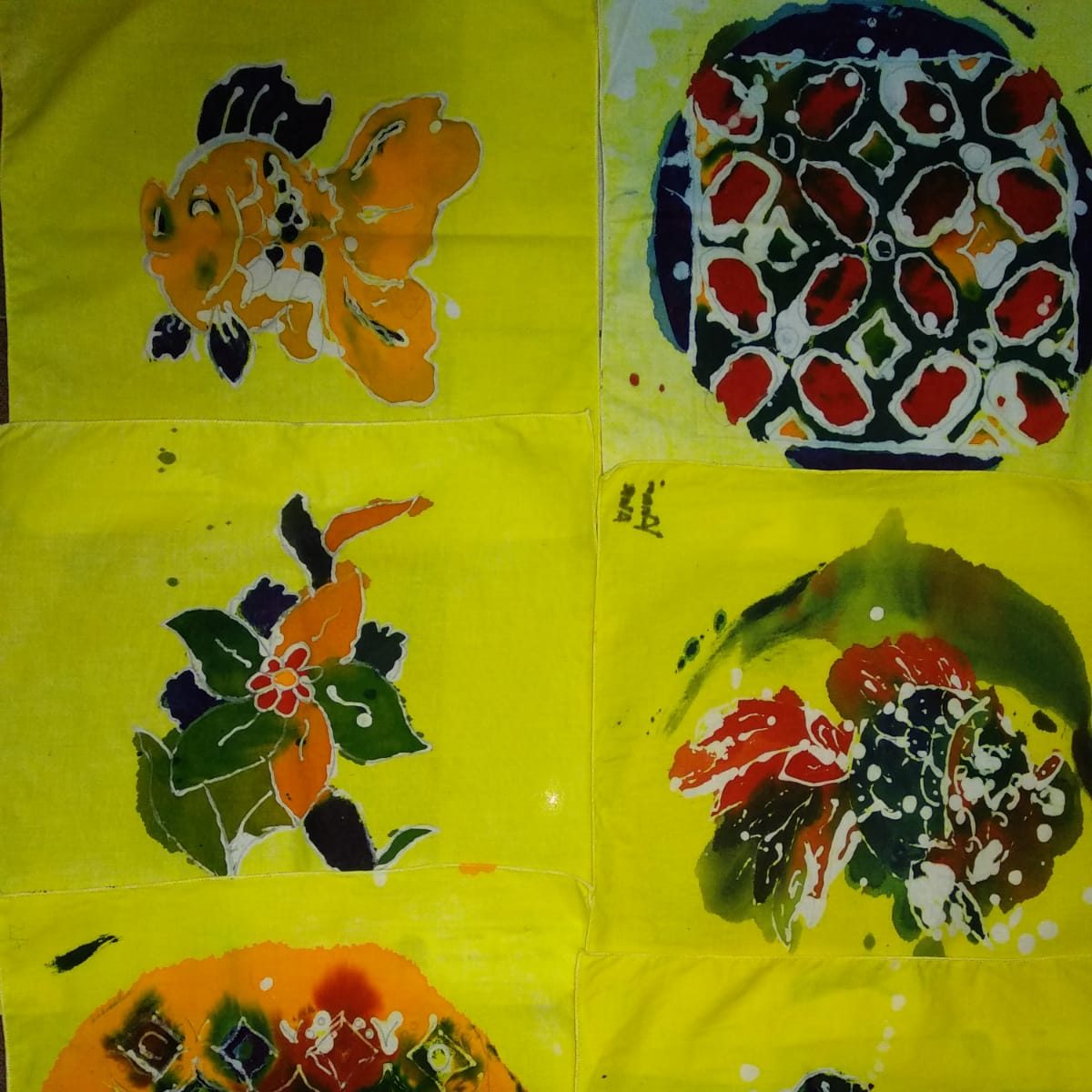
The day of Grade 5’s Living Explorers Museum was an extraordinary one. Imagine a place where the walls are lined with artifacts and stories of legendary explorers from the past. Now, imagine that every student who walks through its doors gets to become one of these great explorers, stepping into their shoes and reliving their adventures. That’s exactly what happened to us on that day.
I was one of the speakers, and I chose to be James Cook, the famous sea explorer from a long time ago. Before my turn, a few of my classmates shared about some modern explorers and some were even female explorers. Some of us were confident, while others were charming and funny. As I clapped for them, I was thinking to myself, will I be able to do that too? I was excited to go on stage but was also a little nervous.
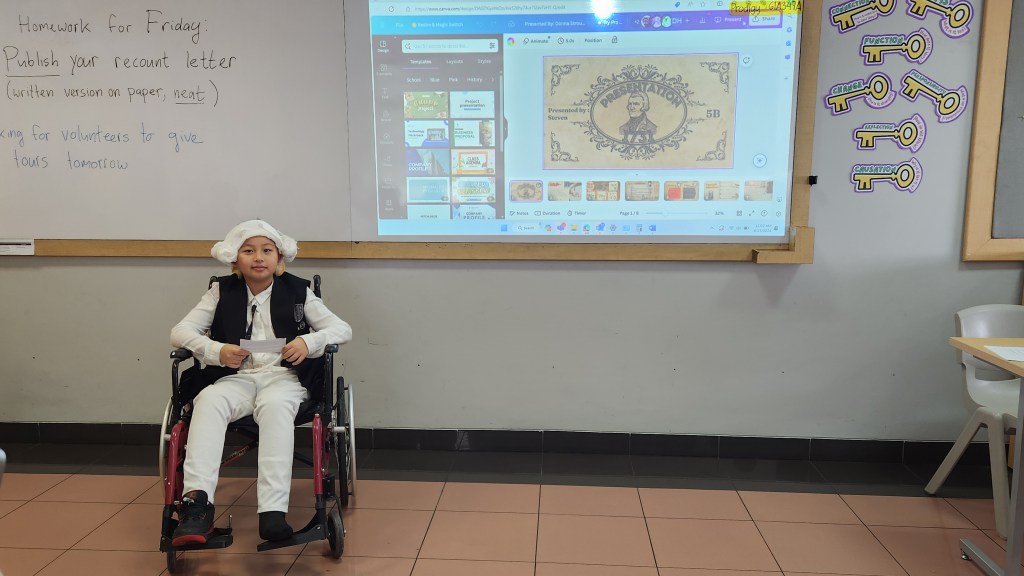
Finally, it was my turn. When I got on stage, I saw lots of eyes looking at me and cameras flashing. My heart was beating really fast, but I told myself, don’t be scared, you have practiced a lot and you are ready. I tried to imagine myself as a medieval explorer telling my own story.
As I started presenting, my confidence grew stronger and stronger and finally, my presentation came to an end. I heard applause and at that moment, I breathed a sigh of relief and felt a deep sense of calm. Yes, I did it. I am not the timid fourth grader I was a year ago.
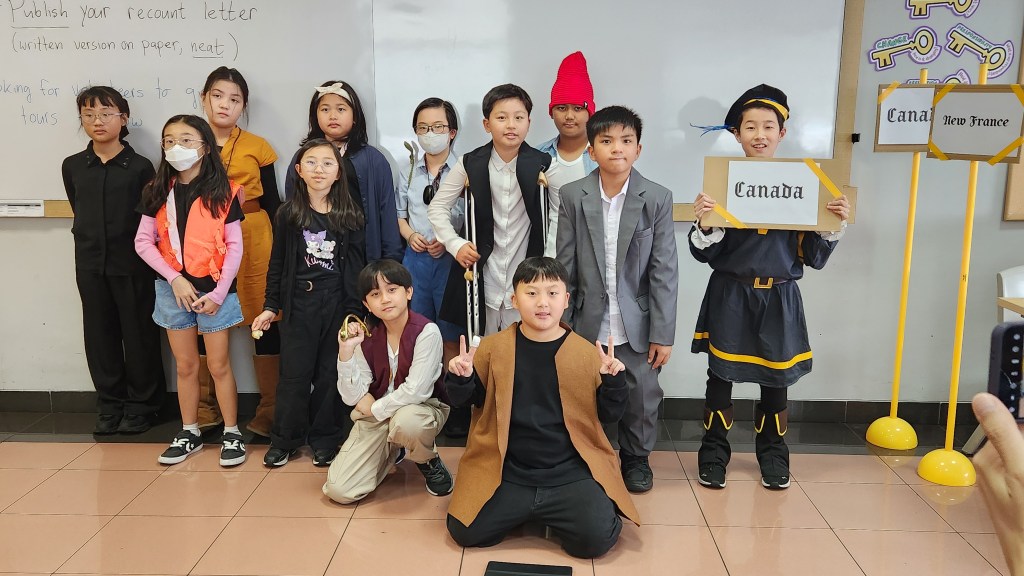
Soon, all presentations were done and the activity came to an end. My friends and I felt relieved and calm because we all gave our best and completed the assessment successfully. Even though there were some mistakes, everything still worked out well. From start to finish, we all did our best. Sometimes we failed, but we persevered, and in the end, we made it.
Through the assessment, we learned about famous explorers and, more importantly, how to persevere and give our best.
Grade 5’s visit to Museum Bahari, Jakarta
By : Allegra Lorens – 5B
Monday, September 2, 2024
Grade 5’s first unit of inquiry was ‘Where we are in place and time’. The central idea of this unit was ‘Exploration of land, sea and space can lead to discoveries, opportunities, challenges, and new understanding’. Exploration of the 3rd line of inquiry ‘ How explorations have occurred over time’ took us on our visit to Bahari Museum. The main focus of our unit was learning how explorers impacted our life in the present day and the country. In addition, the unit was also to learn how explorers, old or new, affect us. Our main objective of visiting the museum was to learn why, when, and how explorers came to Indonesia.
We visited the Museum Bahari on July 31, 2024. This is a museum that was originally a warehouse for VOC (Dutch East India Company) to store spices. We went to the museum because we were learning about explorers and why mainly did the Europeans come to Indonesia for spices. As we were at the museum we learned from videos and the actual items.
When we reached there, we met our tour guide who showed us around and explained to us the various objects on display. When we entered the museum (room/building A), we looked at a map of Batavia’s (Jakarta’s) urban planning from around the 17th and 18th centuries. There were a lot of walls to separate and keep people in. The boats in Building A were used by the Indonesians to trade and transport.
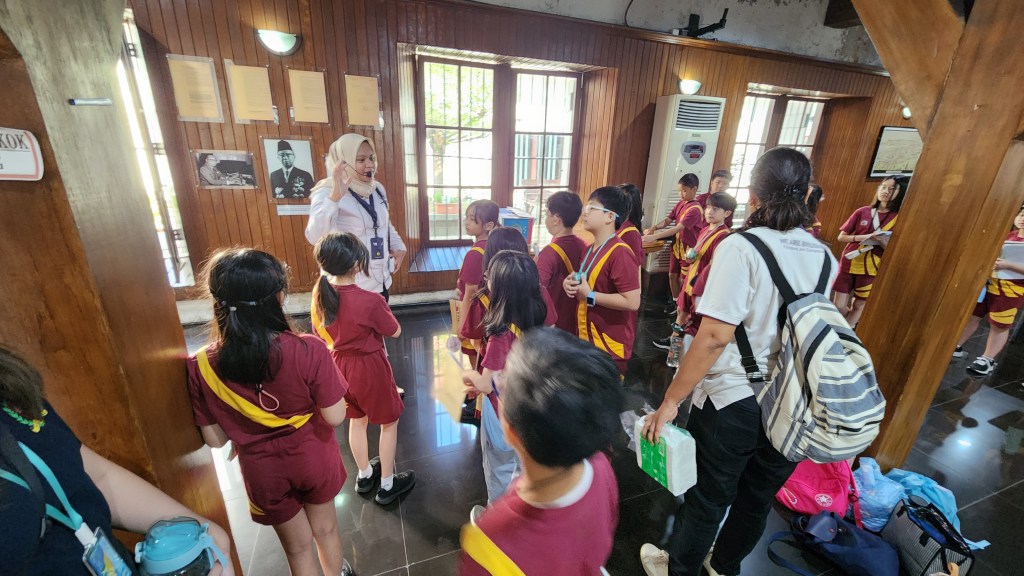
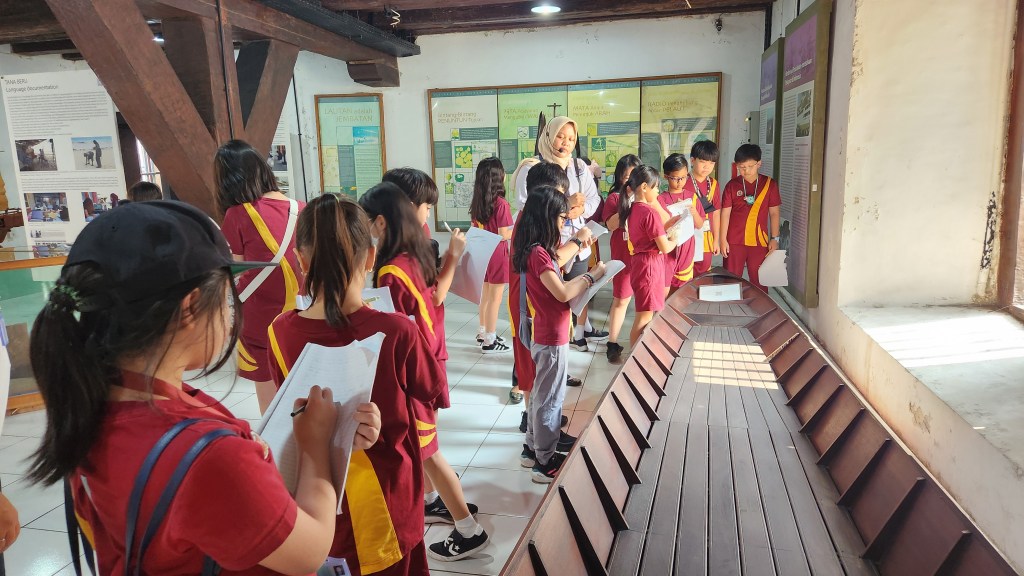
In the museum, we learned that several foreign nations came to Indonesia. Some of the people who came to Indonesia were the Portuguese, the Dutch, the British and others. The Europeans came to control the spices that were grown in Indonesia as we were rich in them. Spices became the reason for their exploration. Some of the famous explorers who came to Indonesia were Marco Polo, Zhèng He, Ibn Batutta. They came for the spices like nutmeg, chili Pepper, cumin, and cloves.
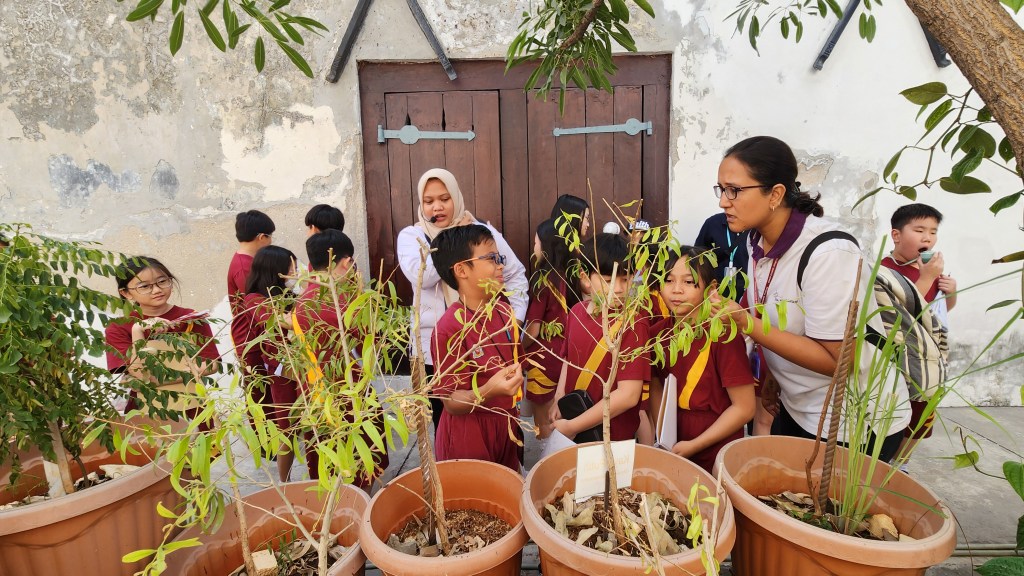
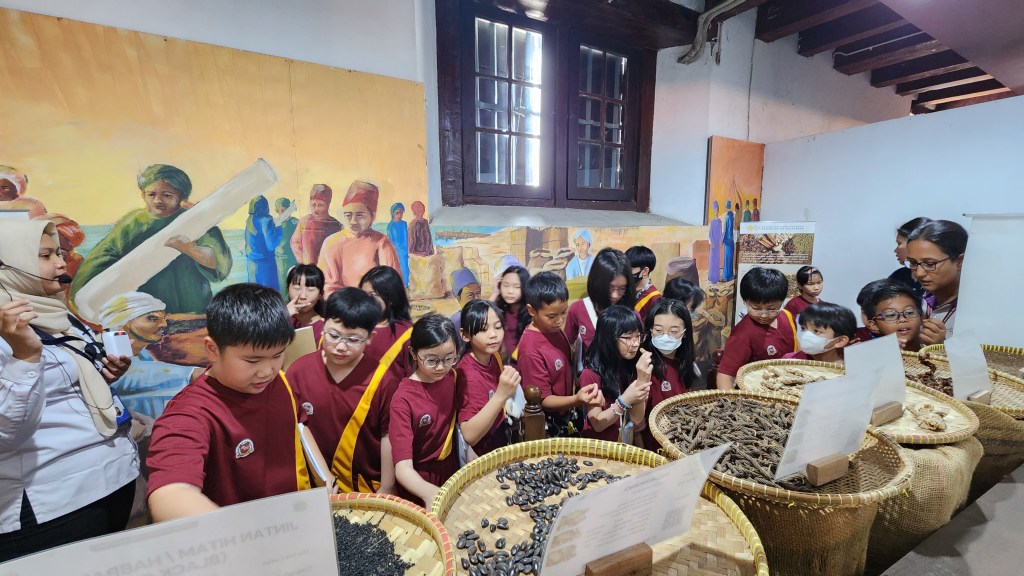
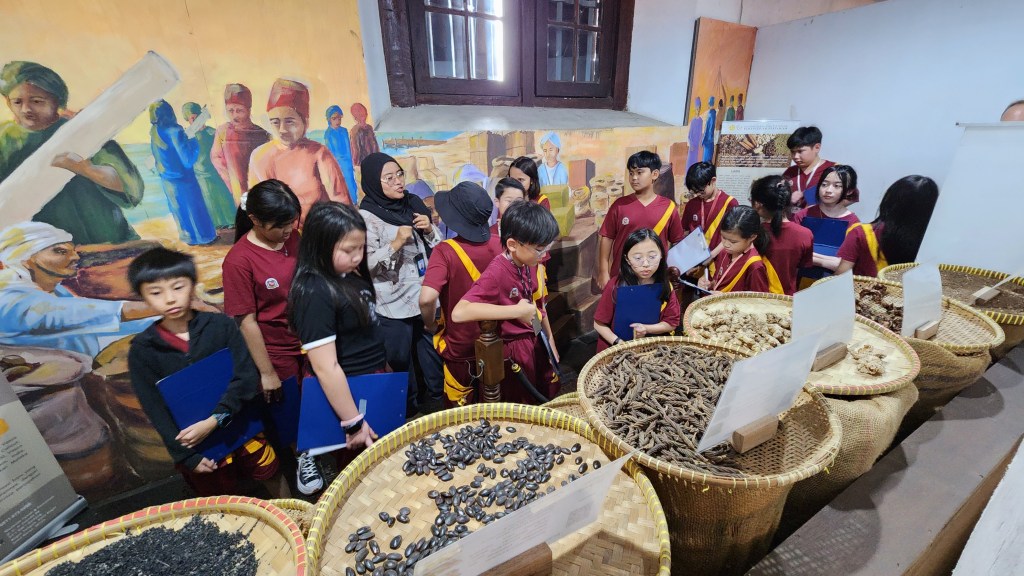
We continued touring the museum. Building C had all the REAL boat collections where a collection of traditional boats from different regions were displayed. We saw a boat ‘Sandek’ which is a boat used by the Mandar people of West Sulawesi; Next the Outrigger boat is a special collection of the Papuan outrigger. If we look at the different boats, we can see that Indonesia’s regions are different, but we are still one and will work together. The boats also showed the different environments of different regions and how we adapt to them, each boat had a different purpose.
I really enjoyed the Bahari Museum field trip. I had a lot of fun and learned a lot about Indonesian culture. It was interesting to find out about the explorers who came to Indonesia. I saw how things have changed over time because of these explorers. Learning about the effects of colonization to Indonesia was also interesting. I learned that Indonesia has many different cultures and languages, but it is still one. We are different but we are still Indonesians.
Field Trip to Kidzania: A Learning Adventure for Grade One Students at Binus School Simprug
By : Ms. Martha Carolina
Thursday, August 29, 2024
On Wednesday, August 14, 2024, the first-grade students of BINUS SCHOOL Simprug embarked on an exciting field trip to Kidzania, located in Pacific Place Mall, Jakarta. This outing was a significant part of their learning experience as they explored the theme of “Public Places” under the Transdisciplinary Theme: Where We Are in Place and Time. The central idea guiding their exploration was that “Public areas serve the needs of the community.”
Learning Objectives
The field trip aimed to deepen the students’ understanding of public spaces through three key lines of inquiry:
- Different Public Areas: Identifying and exploring various public spaces.
- Purposes of Public Areas: Understanding the roles these spaces play in the community.
- How People Can Help Maintain Public Areas: Discussing the responsibilities of individuals and communities in caring for these spaces.
Highlights of the Trip
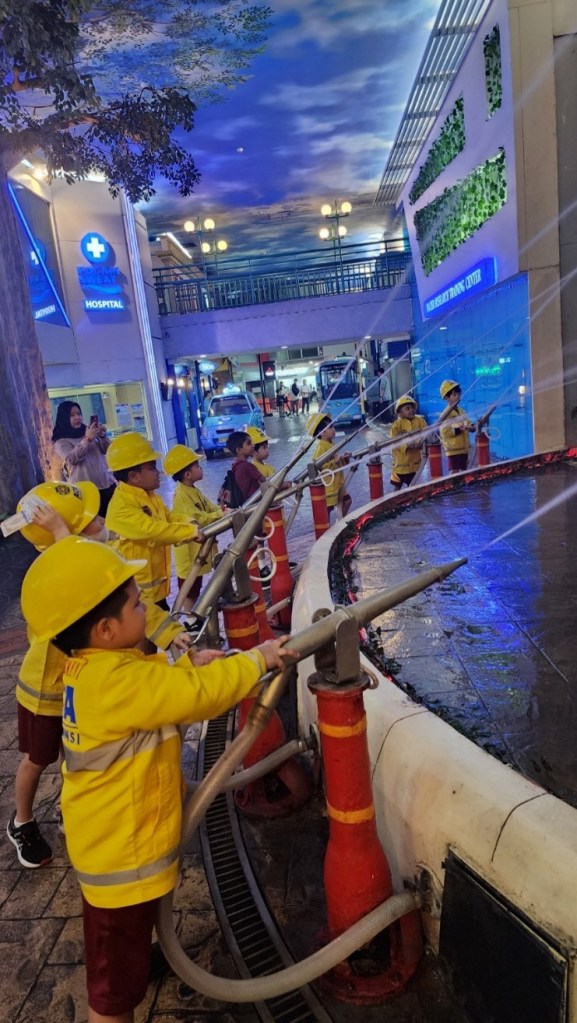
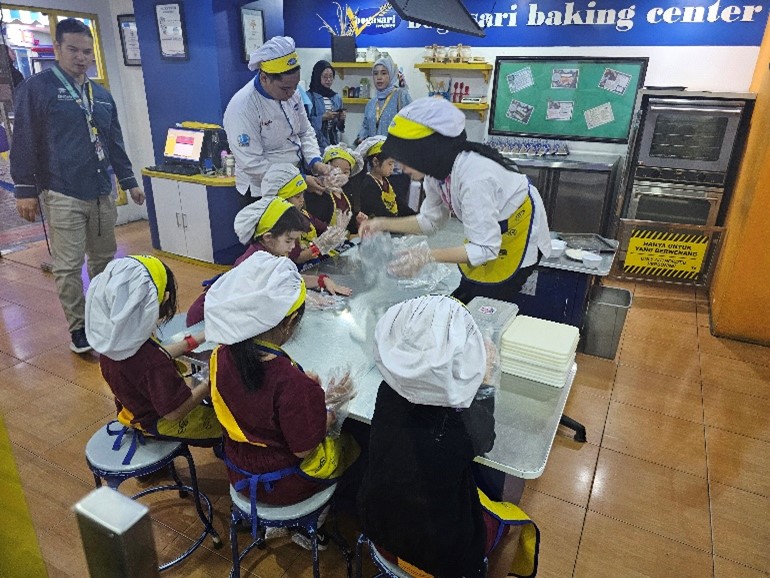
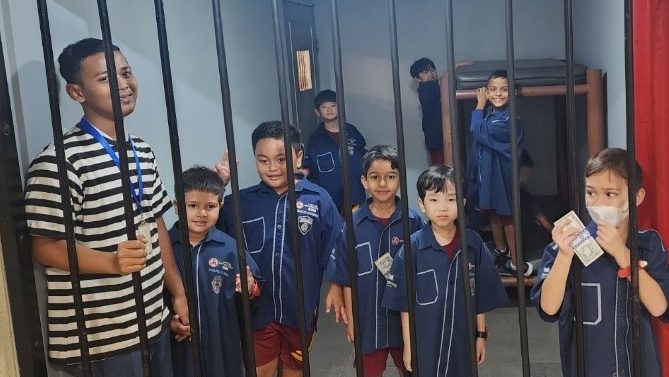
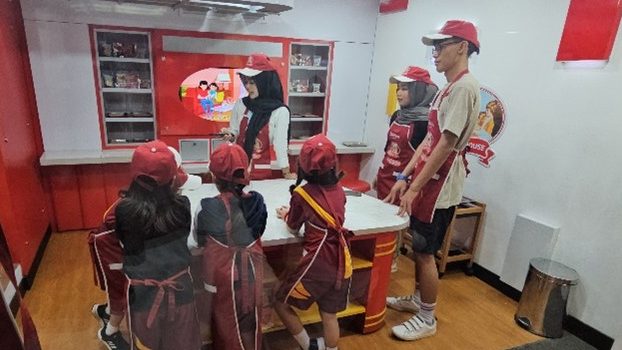
During their visit to Kidzania, the students had the opportunity to engage in various role-playing activities that brought the concept of public areas to life. They visited several interactive establishments, each designed to simulate real-world experiences. Here are some of the key public places they explored:
- Fire Station: Students learned about the role of firefighters in the community and participated in activities that emphasized fire safety.
- Police Department: They discovered how police officers help maintain safety and order, gaining insights into law enforcement.
- Hospital: Through role-playing as doctors and nurses, students understood the importance of healthcare and how hospitals serve the community’s health needs.
- Gas Station: The kids explored the workings of a gas station, learning about fuel distribution and its significance in daily life.
- Sports Field: Engaging in various sports, students recognized the importance of recreational spaces for community well-being.
- Noodle Factory: Here, students experienced the process of food production and the role of factories in providing sustenance to the public.
Reflections and Learning Outcomes
The trip to Kidzania was not just about fun and games; it was an essential educational experience that allowed students to connect theoretical knowledge with practical applications. They learned how different public areas serve various functions and how essential they are for community life.
Moreover, discussions following the visit highlighted how students can contribute to maintaining these spaces. They were encouraged to think about ways to keep their neighborhoods clean and safe, fostering a sense of responsibility towards their community.
Conclusion
The field trip to Kidzania served as an enriching experience for the first graders at BINUS SCHOOL Simprug. By exploring public places in a hands-on environment, students gained valuable insights into their community, enhancing their understanding of the world around them. This adventure not only met educational objectives but also ignited a sense of curiosity and responsibility in young learners, preparing them to be active and engaged members of society.
INDONESIAN HERITAGE
Wednesday, June 5, 2024
By: Irma Dwi Savitri
Indonesia is an archipelagic country. A country with many diverse languages and cultures. As a result, I discussed Indonesian heritage, particularly Wayang Kulit, Reog Diponorogo, and Kuda Lumping, in the unit of inquiry “Where We Are in Place and Time.” The core principle of this unit is “Exploration leads to discoveries and develops new understandings.” I chose Wayang Kulit, Reog Diponorogo, and Kuda Lumping because they were influenced by the Indians and the Chinese.
This is also my first time having three separate artworks for the same grade, which was Grade 5. This was my toughest challenge – to ensure that the difficulty of each artwork is equal across classes.
Most students understand what Wayang is and where it comes from. However, they are unfamiliar with Reog Diponorogo and Kuda Lumping. Thus, students conducted studies on Wayang, Reog Diponorogo, and Kuda Lumping. The research assisted students in understanding where they come from, what materials are used to make it, what instruments are used, and how they work. We talked about their research in class.
Following the discussion, students viewed a video about how Wayang, Reog Diponorogo, and Kuda Lumping are manufactured. They then saw footage of how Wayang is performed, as well as performances of Reog Diponorogo and Kuda Lumping. They were astounded by the performances of Reog Diponorogo and Kuda Lumping. Reog Diponorogo and Kuda Lumping did a combined performance.
The materials needed to create wayang are:
- OHP Screen
- Cardboard
- Stationery
- Acrylic Paint
- Black Marker
- Scissors
- Palette
- Paint brushes
- Masking Tape
- Paper fasterner
The materials needed to create Kuda Lumping are:
- Cardboard
- Stationery
- Black marker
- Acrylic Paint
- Paint brushes
- Apron
- Palette
- Plastic yarn
- Scissors
The materials needed to create Reog Diponorogo are:
- Stationery
- Cardboard
- Used box
- Acrylic Paint
- Paint Brushes
- Apron
- Palette
- Scissors
- Fox glue
- Green Creepe paper
- White paper
The Art Process of Making Wayang
It was difficult to prepare the materials required to manufacture Wayang, especially the OHP machine. It turned out that the machine was no longer in use at our school and had been cleared for quite some time. But, thank goodness, the middle school in our school still incorporates it into their learning process.
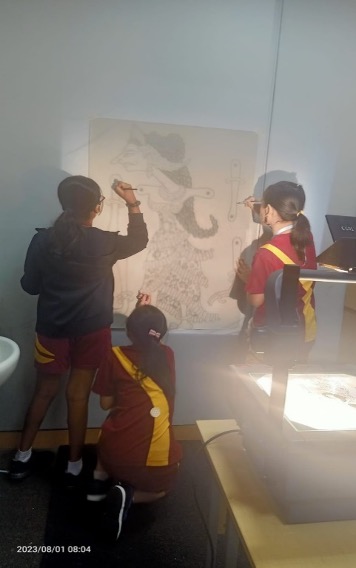
First, I produced and printed some of the Wayang figures. Each group chose a Wayang for their art piece. Once they had chosen their Wayang, students in each group began using the OHP screen to trace the contour of their Wayang. We can choose the size that we want. In this project, the wayang was as huge as the cardboard paper that was affixed on the wall. After that, the students began to color it with acrylic paint, outline it with a black marker, cut it, and join each section of the wayang hands with paper fastener.
The Art Process of Making Reog Diponorogo
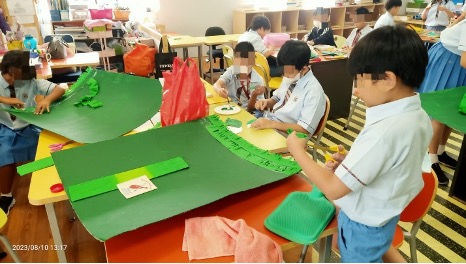
Reog Diponorogo’s art endeavor was a mixed media effort. I separated one group into three separate exercises. There was a focus on creating the tiger head, background, and peacock plume. The tiger head was fashioned from a repurposed box. The background was built of cardboard and covered in green creepe sheets. The peacock feather was fashioned out of white paper and a repurposed box. Students who worked on crafting the peacock feathers might choose between two colours. Either green or blue. But the entire group chose green for the peacock feathers. I needed to break the exercises into three groups because the art process of creating the reog took longer. Once they had finished the backdrop, tiger head, and peacock feathers, the members of the group worked together to paste them on the background.
The Art Process of Making Kuda Lumping
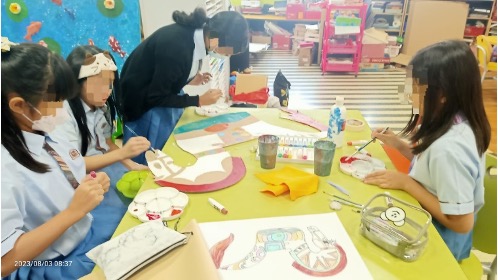
Before the students begin making Kuda Lumping, they needed to start by sketching it. Once they had completed their sketches, each group had to select the best sketch. After that, they could begin producing Kuda Lumping. The students needed to sketch back to back but they could paint it with various shades of the same colour. The last one used plastic thread as the horse hair.
The IB learner profiles associated to these activities were:
• Thinker, where students conduct research on Wayang, Reog Diponorogo and Kuda
Lumping.
• Communicator, where students shared their sketches and selected the best one for the art
project.
• Open-Minded, where students studied about Indonesian heritage for their art project.
Grade 5’s Exploration of Balinese Culture
Wednesday, May 8, 2024 – Jakarta
By: Moe & Bara – Grade 5
The Bali Immersion was filled with joy, interesting cultures, and new knowledge. It was a thrilling adventure that celebrated our dedication and hard work at PYP exhibition. Bali is known as the “Island of Gods,” so everywhere you go, you will encounter stunning temples and sacred sites where locals pay respect to their God or Goddess by performing rituals or elaborate offerings. Bali pays their respects to the main Hindu Gods. We acknowledged their culture because of our new unit about communities and we are learning about the community of Balinese People.
In preparation for the Bali Immersion trip, we were given the freedom to choose our roommates from any class. This not only expanded our social circles but also fostered a strong sense of camaraderie. We were also entrusted with the task of packing our bags. To aid us in this endeavour, our teachers provided a comprehensive booklet. This booklet was a treasure trove of information, featuring a checklist of essential items and outlining the exciting events and activities of our trip. This resource was invaluable, allowing us to pack efficiently and add any necessary items for specific events.
On April 22, 2024, we boarded the flight for Bali, our flight was two hours long. Once we arrived, we met our local guide and driver. We then travelled by bus to Bali Green Camp. Upon arrival, we settled into our dormitory and gathered to learn about the Green Camp. Participating in mud wrestling, a traditional Balinese activity symbolizing unity and strength, was a fun and educational part of our day. It was so enjoyable to play in nature with our friends. After that, we had dinner and went to sleep.
Day 2 was a solid day since the day was filled with excitement, joy, and full of activities. This was also the day when we departed from Green Camp and went to Pullman Hotel. In Green Camp, we did a bunch of activities such as gardening, planting, and cooking. In Master Chef activity, we could choose what dish we wanted to make and almost everyone chose Fried Rice. There were 7 groups, and I was Group 5, now the judges judged based on the taste, plating, creativity and explanation. MasterChefs was the last activity we did at Green Camp, and we departed at 4:30 from Green Camp to Pullman Hotel, but before going to Pullman we also went to Sentosa Restaurant and Keranjang which is a Souvenir Shop. Shopping there was the highlight of Day 2.
On the third day of our journey, we had breakfast and then boarded the bus to go to Mengwi. We visited the Taman Ayun Temple, where we immersed ourselves in Balinese culture and watched a mini movie about Mengwi. Next, we journeyed to the picturesque village of Marga to partake in Bali’s traditional activities at Rumah Desa. We began with a visit to a Balinese compound and enjoyed a welcome drink made of rosella, hibiscus, ginger and lemon grass. We also engaged in cultural experiences and learned to write Aksara (Balinese Sanskrit). They provided us with coconut leaves for crafting, and we even participated in cockfighting. Afterwards, we enjoyed Balinese cuisine and continued our exploration, walking through a bamboo forest, crossing a bamboo bridge, and climbing a large pile of stairs. We then strolled through rice fields and learned about traditional agricultural irrigation systems from the farmers. We even joined them in ploughing the soil with buffalos. After dinner at Bebek Benkil, we attended a play called the Devdan Show, which showcased Balinese culture through dances. Finally, we returned to the hotel to rest and sleep.
The fourth day brought a visit to Bali Island School (BSI) where we attended their PYP exhibition and participated in some fun activities. For lunch, we went to Pancious Samasta and then transferred to GWK. At GWK, we watched another dance performance that showcased the excellent spirit of Bali. We also took multiple group photos in the cultural park. For dinner, we enjoyed some delicious seafood at Radja Cafe Jimbaran. Finally, we headed back to the hotel.
On our last day, we had breakfast and checked out of the hotel. The baggage drop and check-in process at the airport went smoothly. We then took off on our flight back to Jakarta. After we arrived in Jakarta, our fantastic journey came to an end.
EY 1 FIELD TRIP TO TAMAN MINI INDONESIA INDAH: EXPERIENCING DIFFERENT SHELTERS
Wednesday, May 8, 2024 – TMII Jakarta
By: Dini Awalia Ramadhan Teja
Our EY 1 class embarked on an exciting adventure to Taman Mini Indonesia Indah (TMII) to learn about shelters as part of our Unit of Inquiry, “Where We Are in Place and Time.” Focusing on the central idea that “Shelter provides protection and can take many forms,” the trip offered a captivating blend of cultural immersion and fascinating animal encounters.
Jambi Pavilion: A Stilted Journey
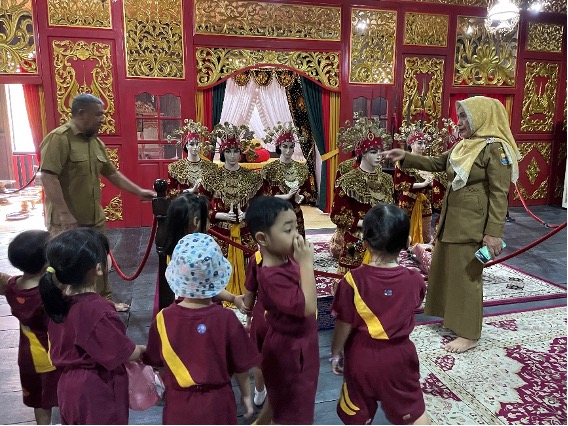
Our adventure began at the Anjungan Jambi (Jambi Pavilion). Warmly welcomed by the staff, the students were introduced to the Rumah Bertiang, a traditional stilt house also known as Rumah Adat Sepucuk Lurah. Before entering the house, Hanna, one of the students, was stunned by some statues of girls dancing and asked, “Who are they? They are so beautiful.”
The Kajang Lako, a unique goose-shaped boat that serves both as a stage and a symbol of the Jambi province, further raised curiosity. The staff provided an engaging tour, explaining the different sections of the house, including the designated rooms for princesses and princes, dining, and communal living.
Honai Hideout in Papua
Next, we hopped on a mini convertible bus for a delightful ride to Anjungan Papua. Here, the students were fascinated by the Honai, a traditional hut used by the Dani tribe. They learned that the Dani people have different Honai for various purposes: Honai for men, Ebei for women, and Wanai for pigs. The spacious Honai complex transformed into a playground, where the students had a blast playing hide-and-seek with friends and teachers.

Museum Komodo: Unveiling Animal Shelters
After their burst of playful energy, we headed to the Museum Komodo. Here, the focus shifted to the diverse shelters utilized by the animal kingdom. Witnessing a variety of reptiles—including turtles, chameleons, lizards, snakes, fish, and crocodiles—and, of course, the Komodo dragon, the students made a fascinating connection between these creatures and their unique environments. They observed how different animals require specific shelters, like small dens for turtles, water sources for crocodiles and anacondas, sand for rattlesnakes, including branches for lizards and some snakes.
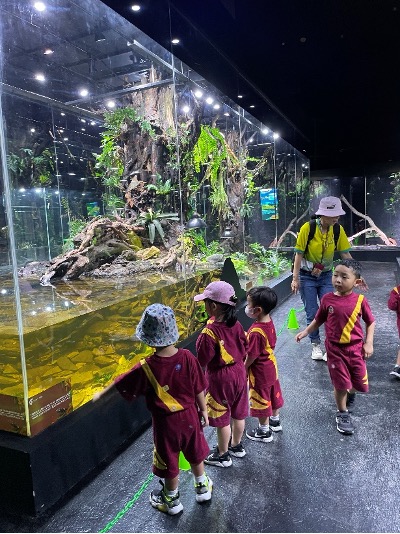
Inside the museum, they also encountered a mini-Papua Biodome offering a captivating glimpse into Papuan biodiversity, mimicking the natural habitat of the region. “Di sini binatangnya, banyak banget. Banyak kadal sama ikan juga. Look!” Kaixin exclaimed excitedly during the museum tour.
Beyond Knowledge: Cultivating IB Learners
This field trip proved to be a valuable learning experience for our EY1 students on multiple levels. By exploring traditional houses and diverse animal habitats, they gained a deeper understanding of the various forms of shelters and their significance for both humans and animals.
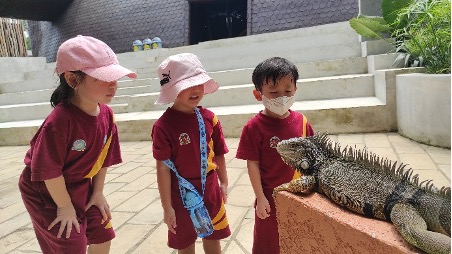
However, the learning went beyond mere knowledge acquisition. Throughout the trip, the students exhibited key traits of the IB Learner Profile. Each student showed their knowledge and inquisitivenessby actively asking questions and engaging with the information presented. Their inquiring nature was evident in their curiosity about the different shelters and the animals that inhabit them. By gently interacting with a baby python and a lizard, they demonstrated risk-taking behavior and caring by treating the animals with respect. This trip served as a testament to the well-rounded development fostered by the IB program.
In-School Immersion
By: Anushi (5C) & Kalyani (5B)
From April 22nd – April 26th, we had a five-day immersion with lots of activities planned by our teachers. They prepared interesting, fun, and engaging activities that we love to do. There were fifteen of us, and we all had different reasons for joining the in-school immersion.
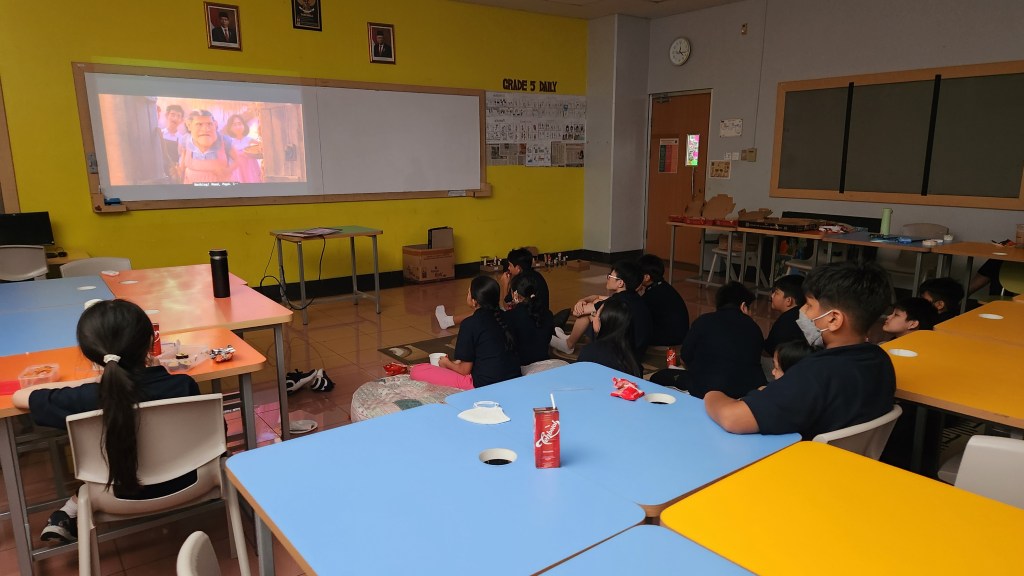
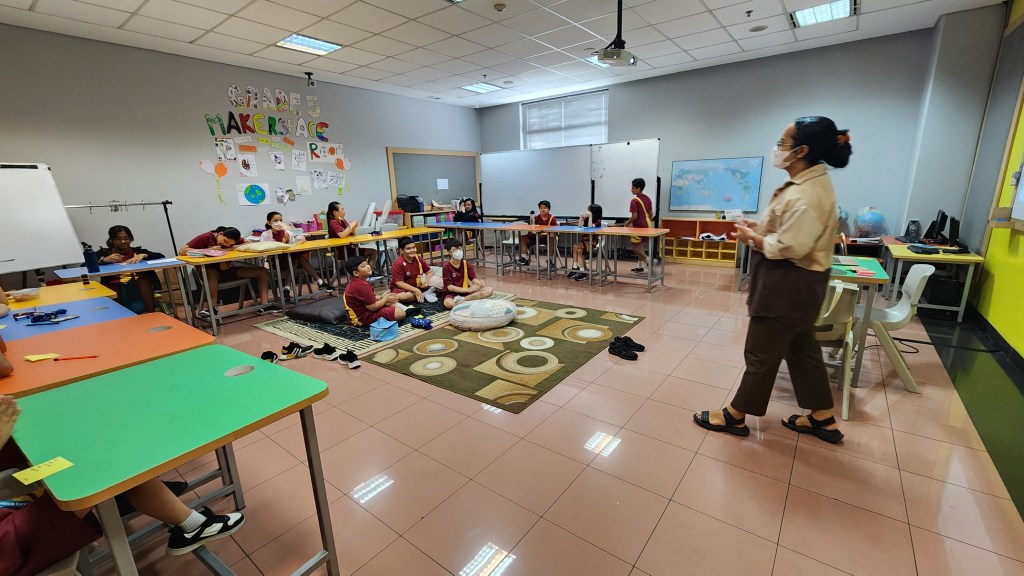
On day 1, we had exciting science experiments with Mr. Teguh. We made a Styrofoam cutter and a solar system panel. After the science experiments, we had our lunch and watched a movie. Then, we reflected on what we did, felt, and learned on this day.



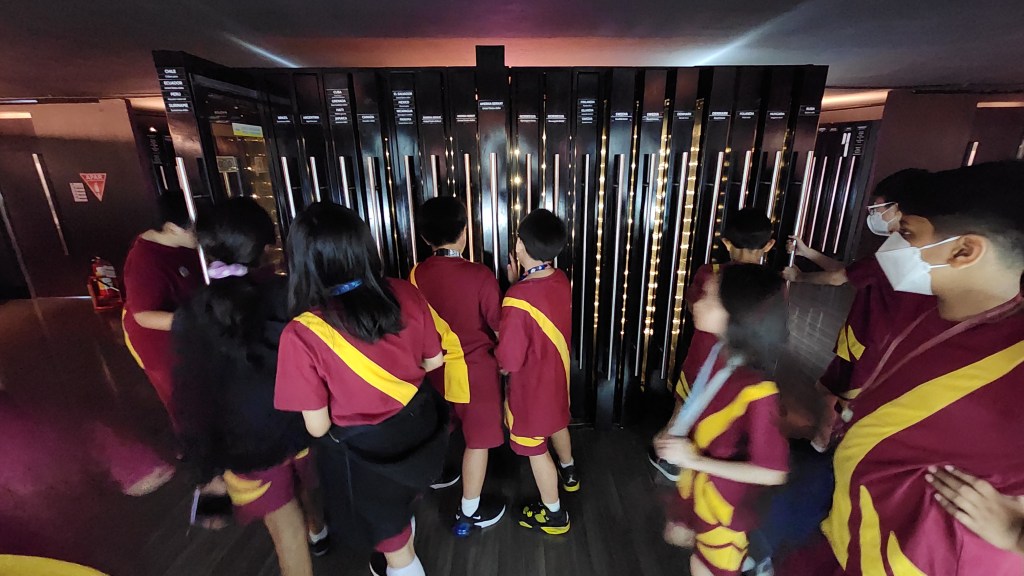
On day 2, we went to the Bank Indonesia museum. We learned about the history of currencies and saw the different currencies that were used back then and now. The study of history is not just a journey through the past. It’s an exploration that combines fun learning and the development of the mind in unique ways. We enjoyed some ice cream too! It was a nice experience.
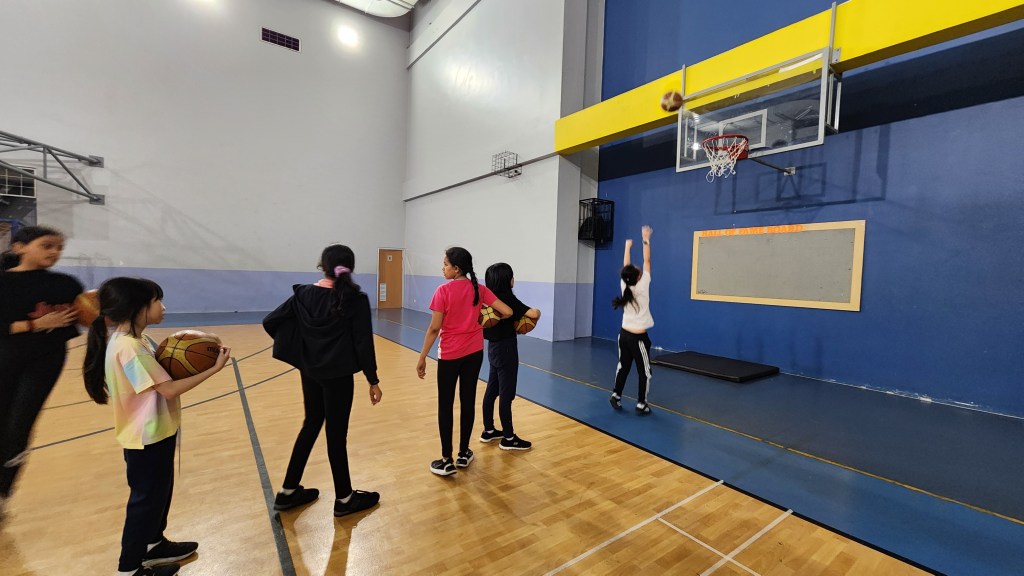
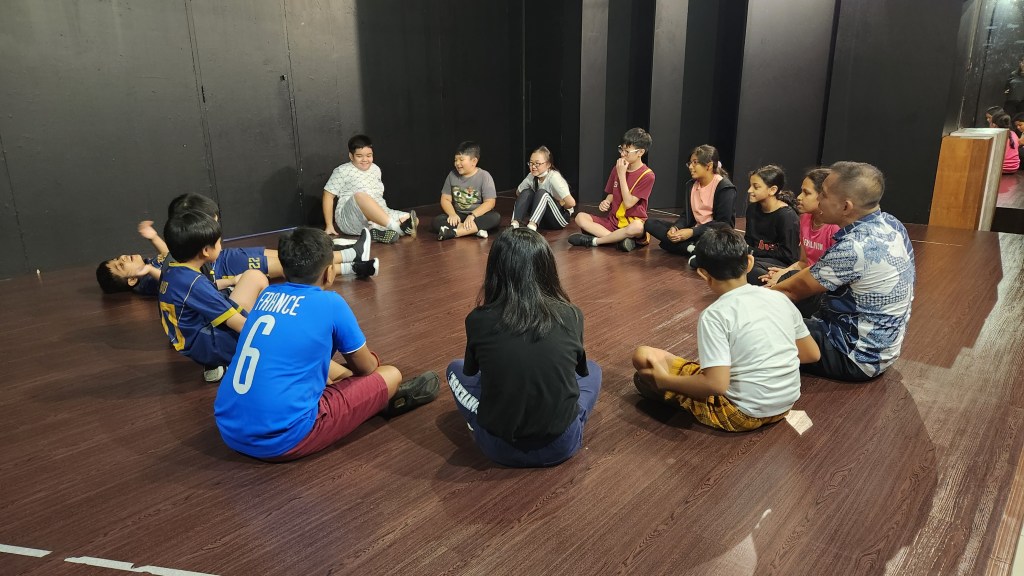
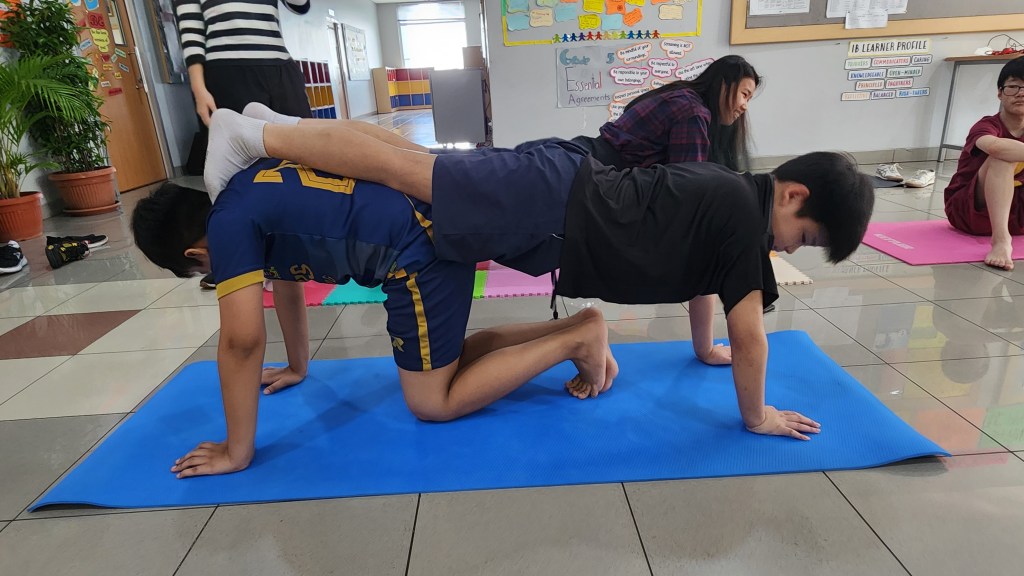
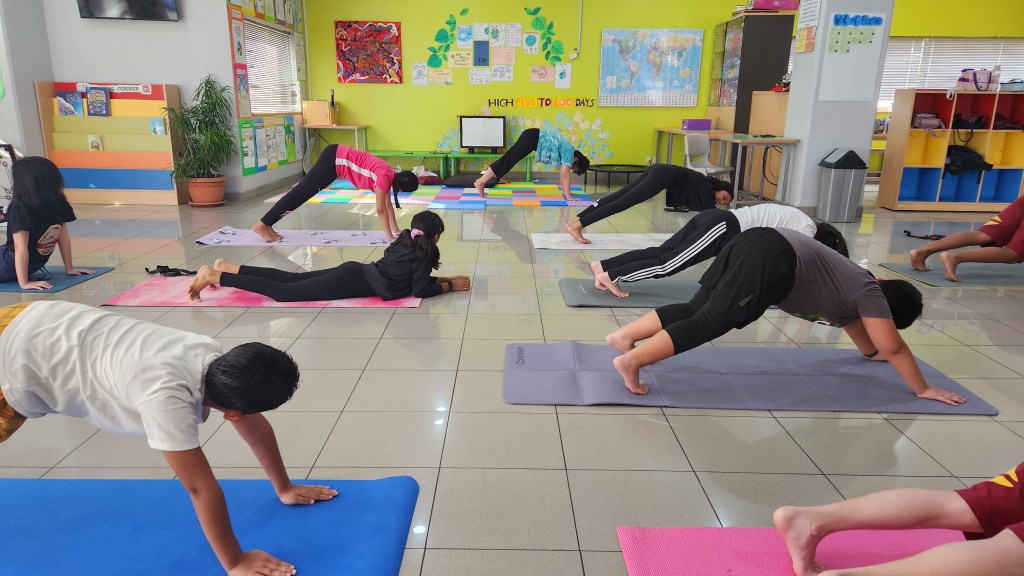
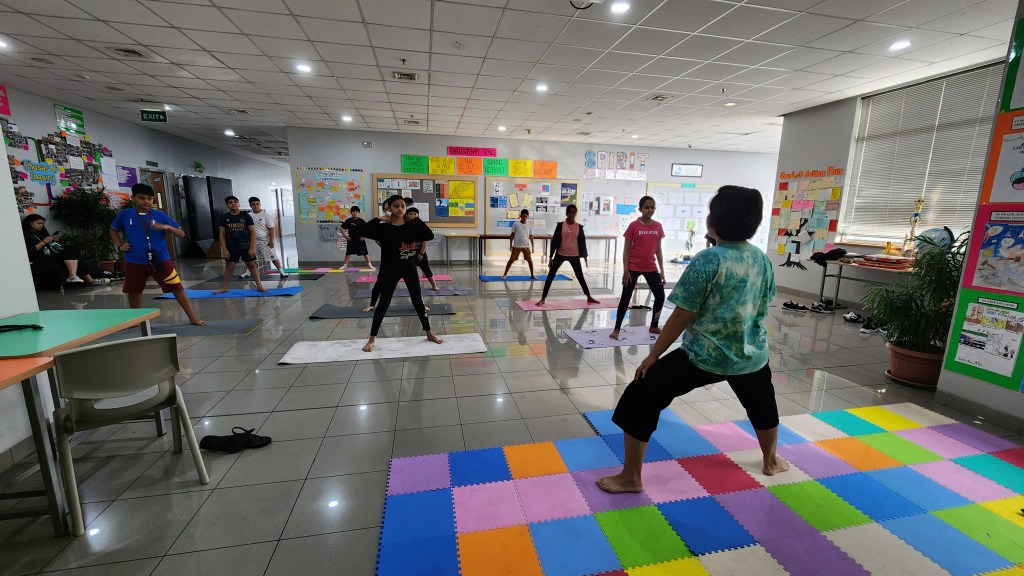
On day 3, we had yoga with Ms. Indira. Even if stretching was uncomfortable at first, we enjoyed the activity. Then, we had a dance class with Mr. Jeff where we danced to the rhythm of an Indonesian song. After the dance, we had an engaging drama session with Mr. Patrick. We played a game called Domino and it was all about concentrating or focusing. It was fun! The day concluded with an energetic basketball match with Mr. Jeff.

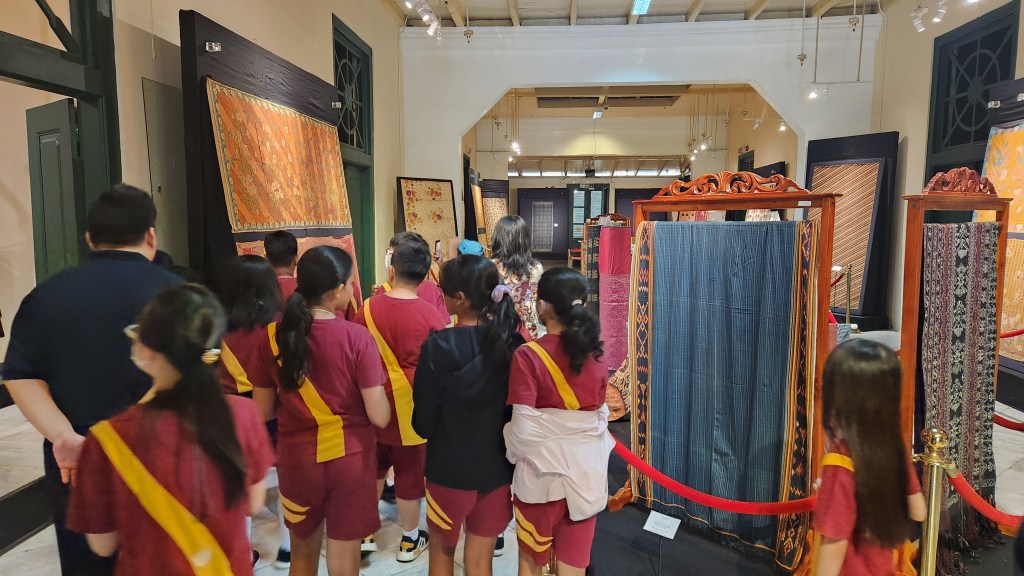
On day 4, our morning began with a mindfulness session led by Ms. Karin, our counselor, followed by a visit to the Textile Museum to learn more about the culture of batik in Indonesia. We explored batik by looking at the gallery and making our own designs using different tools. To end the day, we had a picnic under a tree and enjoyed the food given to us.

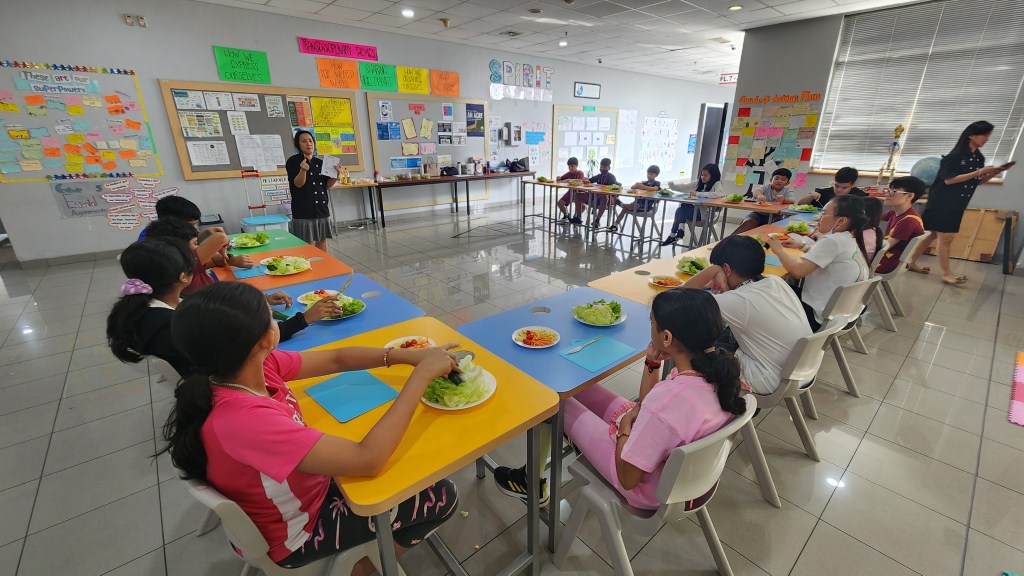
Friday was our last day. It was filled with enjoyable different type of traditional games and a cooking class where we made salad and dessert. We really enjoyed it!


In conclusion, our five-day immersion experience was full of fun and learning. We had a great time. We are excited to have more adventures like this in the future!
PYP Exhibition Journey
Monday, May 6, 2024 – BINUS SCHOOL Simprug
By: Dev, Keenan, Tobias and George (5B)
“What is PYP exhibition?” you may ask. Is it simply grueling hours of study and no rest or is it time for playing around with your group? No, it is much more than that! PYP exhibition is an opportunity to use teamwork to prove your commitment to a contemporary issue of your choice and to highlight what your group is doing to bring a solution for that issue. Our team, called “Addiction Restriction,” would like to share our experiences about device addiction with you. We have undertaken two actions, an informative campaign and a “No Device Day,” to raise awareness about this issue, we interviewed professional psychologists, visited 2 schools for their PYP exhibition, and presented our opening ceremony and group presentations. We shared our experiences about our PYP exhibition project, just like we are doing now.
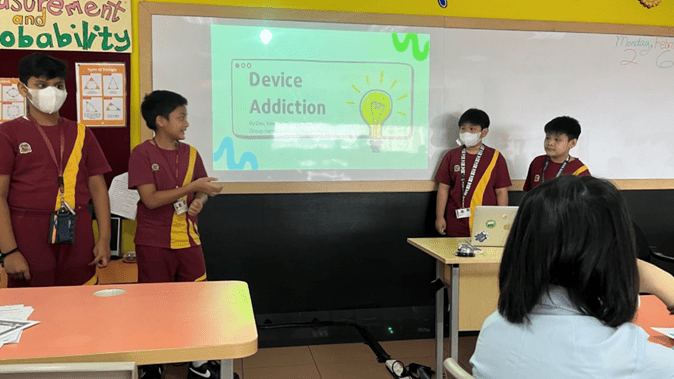
Our first action was a campaign to raise understanding for device addiction and “No Device Day”. We presented it to grades 3-5 and all classes except 4C and 4B. They all had insightful questions, some of which were difficult and others of which were interesting; however, we enjoyed answering them all.
We requested 4A to share what they learned from us with 4B and 4C about “No Device Day” because we were unable to communicate with them, and we could tell they did because they had started to ask us questions about “No Device Day” in the middle of lunch.
Our next action is known as “No Device Day.” On this day, students in grades 3-5 have been restricted from using their devices for entertainment purposes, solely during school hours. The event occurred on February 27, from 7:30 a.m. to 2:00 p.m. Everyone from third grade to grade 5 despised us for this. Fortunately, everything worked out, and our “No Device Day” was a huge success. Ms. Richel was a huge help with this action because she organized the event into a PYP event.
We interviewed three experts. Our first interview was with Ms. Karin, we asked her more about our topic, and we also asked her about her experience with students with device addiction. We learned that you should spend only 2 hours on your device each day and take breaks regularly. She also told us about dopamine and how it works.
For our second interview, we interviewed Ms. Monica. She works in personal growth in Jakarta as a psychologist with 10 years of experience. She told us about her experience and how she started working as a psychologist. We asked her more questions related to our topic and some questions about dopamine and how it works. Ms. Monica gave us a lot of information about the effects of device addiction and how to avoid it.
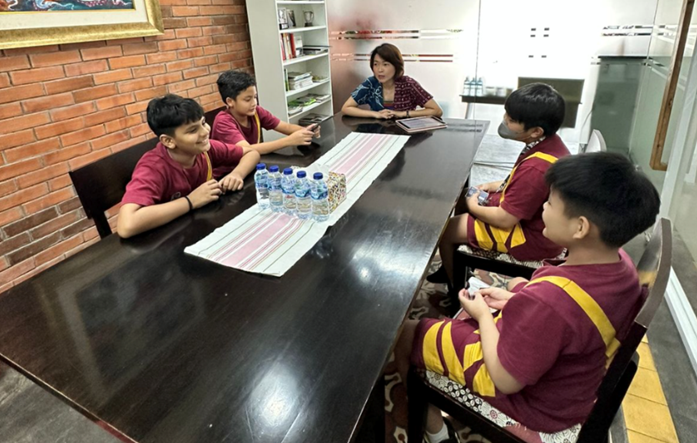
For our last and final interview, we interviewed Ms. Dien Tjokro. She spoke English fluently, so we were fine. She was genuinely nice and helped us a ton. She said that it was mostly the pandemic that caused a rise in device addiction. The pandemic forced us to stay at home, and the only thing to do was use our devices. It is also the parents’ fault; they must limit their kids’ screen time, or else they will have no limits.
To know more about PYP exhibition, we visited other IB schools. First, we went to Tunas Muda School. They performed a phenomenal dance and some captivating plays. Their booths were interactive. For example, one group created an escape room filled with “air pollution” while raising awareness about the risks of air pollution. Some of their exhibits were individual, and that was remarkable given how much work she had put in. Their booths were informative and thrilling, so we had an enjoyable time.
Our second and last field trip was to the Global Jaya School. They had an incredible musical evening, and the chairs were very cozy. Their booths offered a variety of food (some healthy, some otherwise), and one booth even gave us gum! They included confusing escape rooms, and we could see how much effort had gone into them. Their PYP exhibition is fashionable, and we all ate plenty of savory meals.
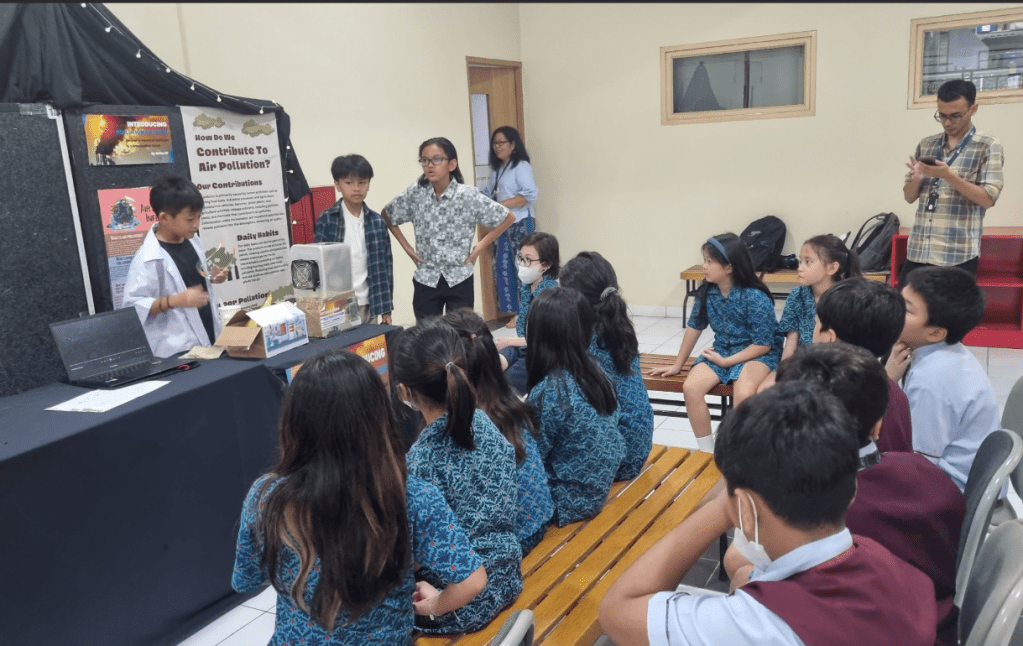
The presentation was the last thing we had to complete for our Primary Years Program Exhibition. One day prior to the presentation, we had to create posters with information about Device Addiction and place them on the black panels. The black panels were very prominent and big, allowing us to fit plenty of data from our experiences in PYPX in there. The posters were colorful and beautiful, and everyone could read the words. Everyone on the team was both nervous and excited before it was time for us to shine. The audience listened carefully and responded with enthusiastic cheers at the end. When it was finished, we felt great and relieved that we had been successful with our Primary Years Program Exhibition.
To conclude, this PYP exhibition experience and journey were fascinating. We had done our 2 actions which were a success, we interviewed 3 professionals in helping kids with device addiction, went on field trips to global school Jaya and Tunas Muda School, and finally presented all of this in the final days of the PYP exhibition. So, after reading about our experiences in PYP exhibition, we would like to ask you a question. What is PYP exhibition? The answer is whatever you want it to be. We (the “Addiction Restriction” team) made it a bunch of fun, work, and 99% adventure.
GRADE 4 IMMERSION TO LABUAN BAJO
Thursday, April 25, 2024 – BINUS SCHOOL Simprug
By: Devi Godri
On March 4 – 8, 2024, our Grade 4 students had an immersion trip to one of the most beautiful places in Indonesia, Labuan Bajo. Labuan Bajo a hidden paradise located in Komodo District, West Manggarai Regency, East Nusa Tenggara province on the island of Flores in the eastern part of Indonesia. Our students had the opportunity to explore the exotic place and do a lot of activities while they were there.
The first activity on the first day was to visit Sture Island. The island is a 40- minute boat ride from Labuan Bajo. Since this was the first day and our students had just arrived, they had a free and relaxing time swimming and playing on the beach. They enjoyed it immensely.


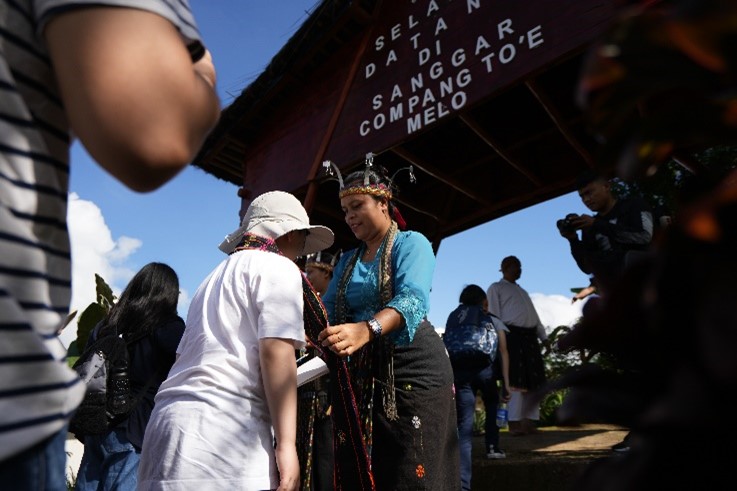
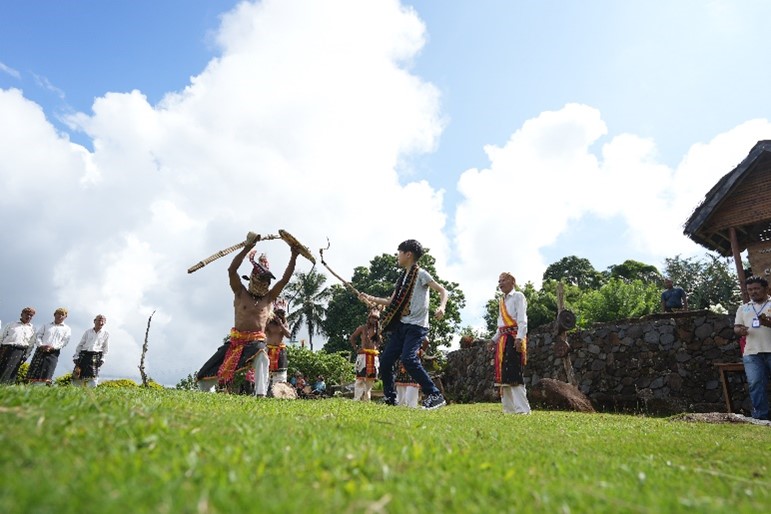
The second day was a day of cultural education. The students had a chance to visit a traditional village in Labuan Bajo called Melo Village. They had the opportunity to interact with the local community, learn their culture and traditional dance. They were fully immersed in the cultural experience as they took part in their traditional dance and games. Here the students learnt how to appreciate and respect another culture and their lifestyle. The students were also taught about the diversity of Indonesia.



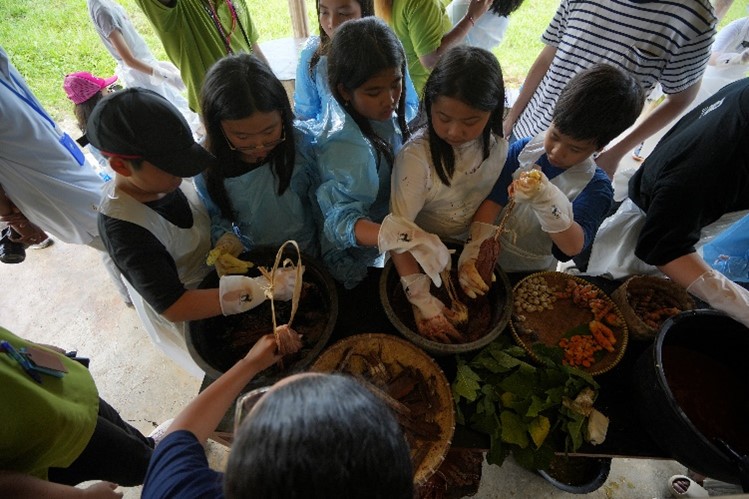
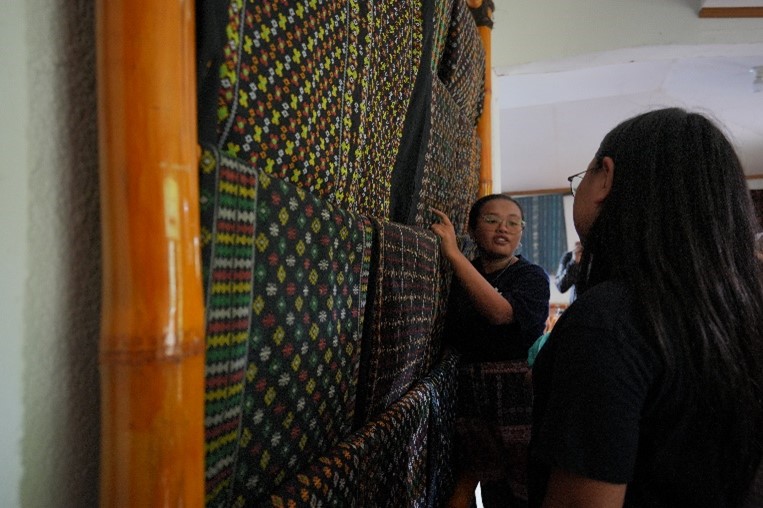
The next activity of the day was learning how to make natural dye and handwoven fabric. The students visited Rumah Tenun Baku Peduli. Here they were able to see how the local people used natural herbal ingredients to produce color or dye to be used on their fabric called tenun ikat. The students also had the opportunity to witness firsthand how the local women weave the intricate tenun ikat. It was an enriching experience.

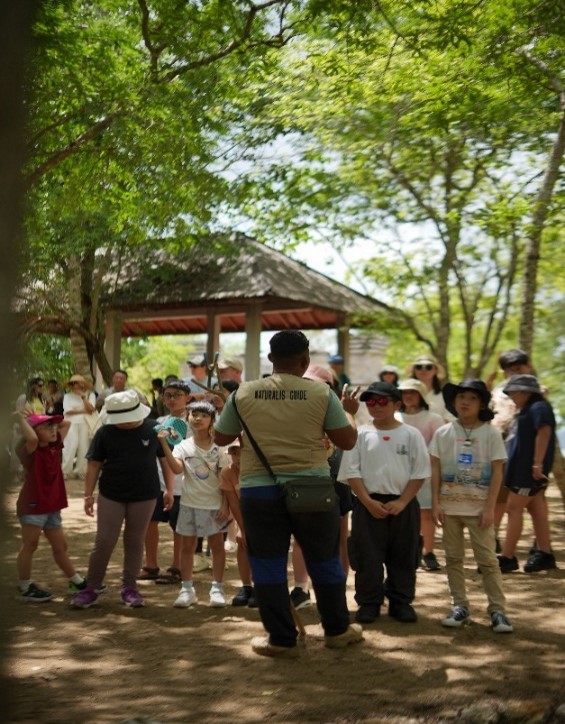
Day three was the most adventurous part of the trip as a bunch of exciting activities awaited. Today was a jam-packed day. First destination, The Komodo National Park to see the largest lizard in the world, the majestic Komodo dragons! Bear in mind, although they were awesome to see, we were urged to keep a safe distance and exercise extreme caution around them. Along the trip, we were always accompanied by a ranger, and we followed all the ranger’s instructions when in proximity to these dangerous lizards. Here the students learnt about the Komodo dragons’ way of life, their feeding habit, their habitat and so on. We even spotted some Komodo dragons. It felt so surreal to see them right in front of our eyes!

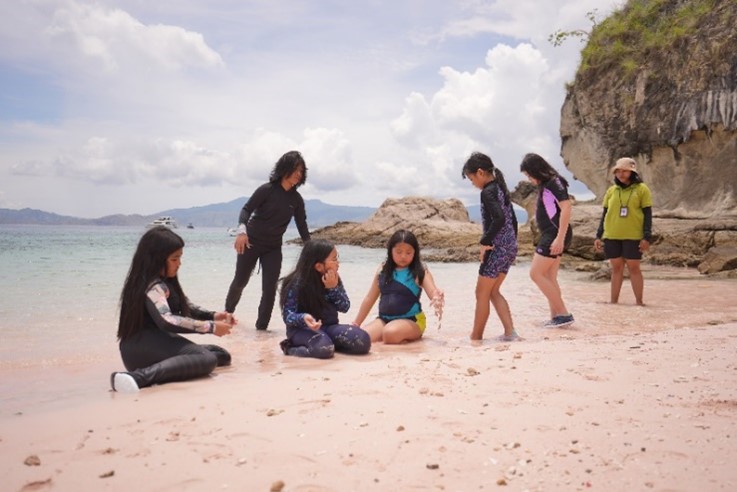
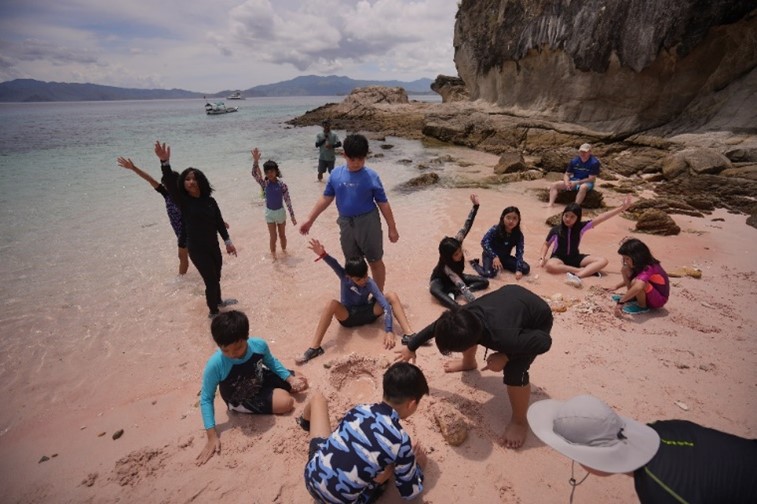
The next destination after the Komodo National Park was Pink Beach. It is so called because of the pink sand stretching along the coast. This exceptional beach gets its striking color from microscopic animals called Foraminifera, which produces a red pigment on the coral reefs. The students were able to blend with the nature as they swam and built pink sandcastles, so to speak.

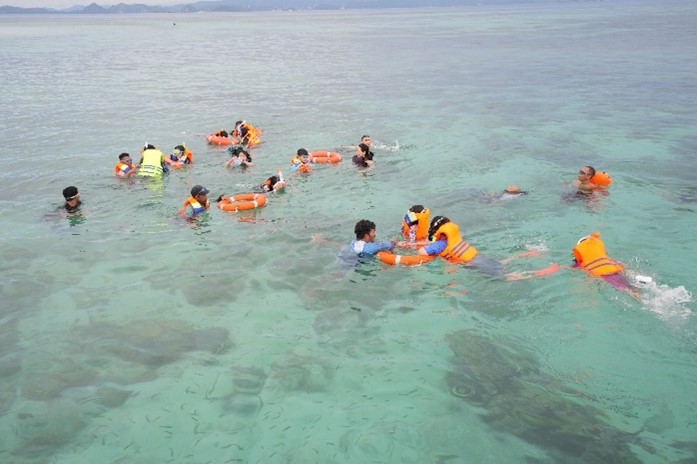

The adventure did not stop there. The students’ last activity of the day was snorkeling. We traveled again by boat to another island called Kanawa Island. This is a perfect place to snorkel as it is teeming with beautiful fish and corals.
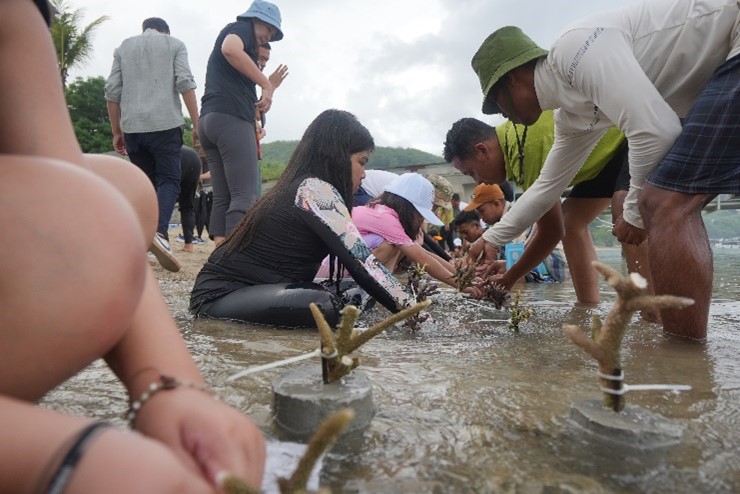
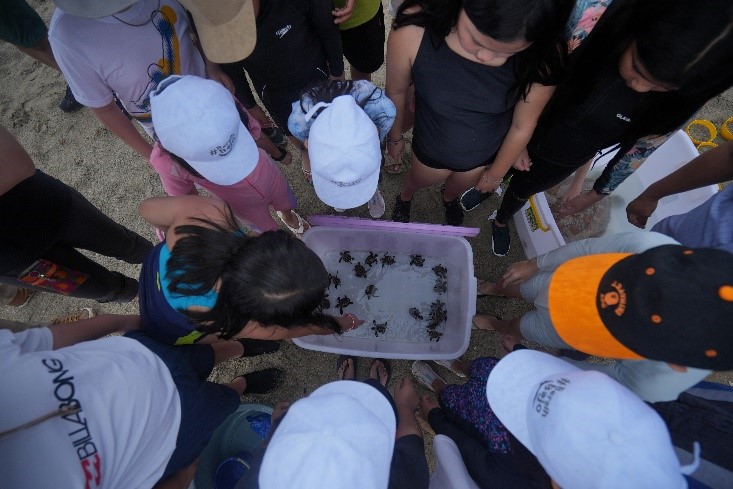
After a fun-filled day the previous day, day four was an educational-oriented day. Today’s agenda was planting new corals and releasing baby turtles. The students participated in a conservation project initiated by a local eco non-profit organization. They were given the opportunity to touch a live coral, learn about how they live in the ocean, and what makes them thrive. They also participated in releasing baby turtles to the sea. They were taught to always conserve nature and to appreciate marine life.

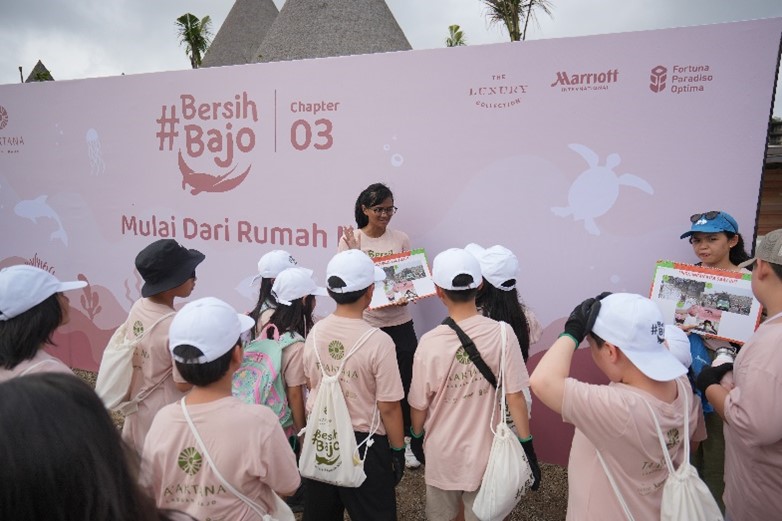
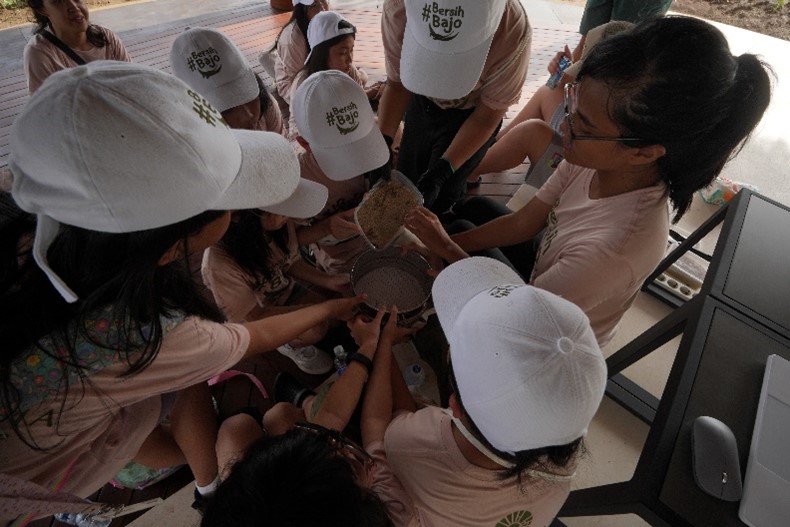
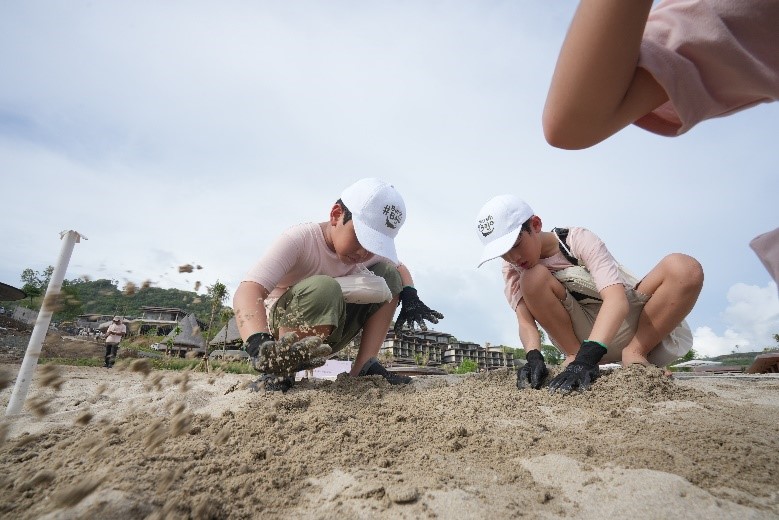
Next activity was called Bersih Bajo. This is another conservation project initiated by Ta’aktana Hotel with the guidance from a non-profit organization Divers Clean Action (DCA). This was the third time they organized the activity, thus was called Bersih Bajo Chapter Three. Our students were very lucky to be able to take part in this. They took part in cleaning up the Wae Rana Beach. They also learnt about the microplastic found on the beach and in the ocean and the danger of it towards marine life.
Our last day of the Immersion trip was to visit St. Angela School. We were very warmly welcomed by the head of the school, the teachers, and the students. Our students had an opportunity to interact with their Grade 4 students.
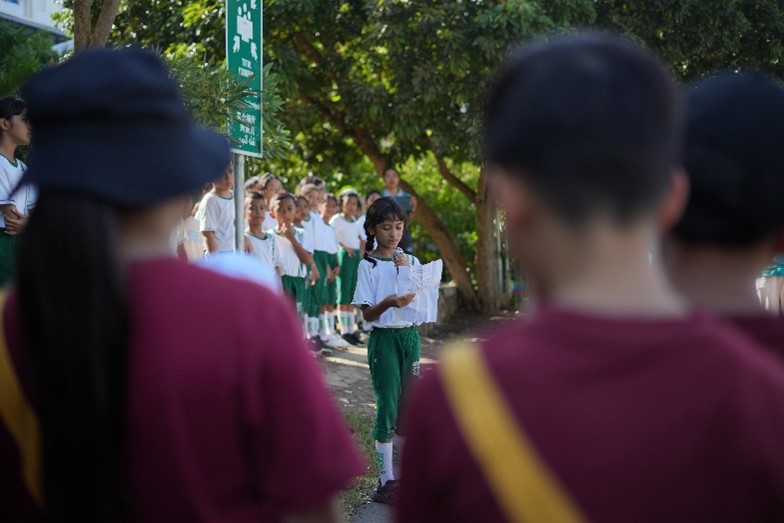
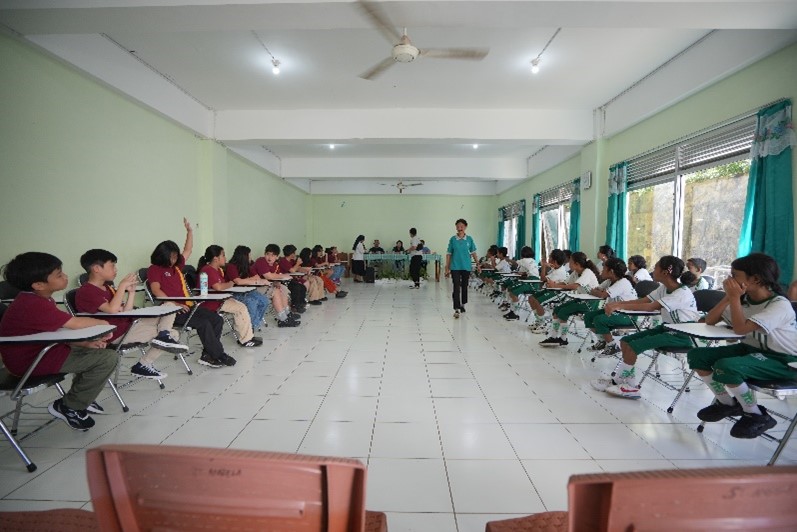

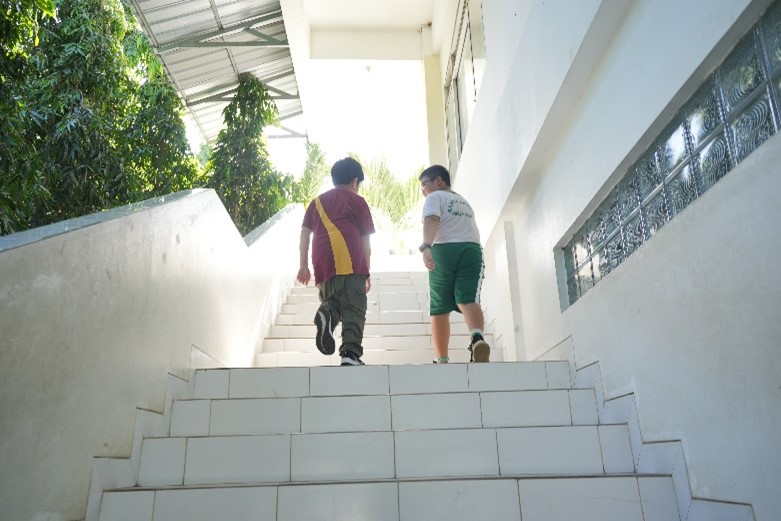
Throughout the trip, our students also ended their day by writing down their reflections of the day. They also demonstrated IB Learner Profile and BINUS SPIRIT Values. Overall, this has been an insightful, educational, informative, and fun immersion trip. Not only the students but also the teachers thoroughly enjoyed and greatly benefited from all the sessions and activities during the trip. This has been a very memorable and unforgettable experience. Oh, let’s not forget the stunning view and the breathtaking sunset of Labuan Bajo. It was simply magical! Let’s go to Labuan Bajo again!

THE 8TH CHUN SUN CUP CHINESE LANGUAGE RECITATION COMPETITION
Wednesday, April 24, 2024 – BINUS SCHOOL Simprug
By: Huang Song
On March 2, 2024, three students from BINUS SCHOOL Simprug participated in the finals of the 8th Chun Sun Cup Chinese Language Poetry Recitation Competition. They are Ning Miaoyu from EY2, You Lingzhe from EY3, and Cheng Muqing from the fourth grade. More than 200 students from over 50 schools joined this competition.
Our students performed exceptionally well. In the end, You Lingzhe and Cheng Muqing won the gold award and Ning Miaoyu, the silver award.
This is truly a delightful surprise, and we extend our congratulations to our students for their outstanding performance. We would like to express our gratitude to the organizing committee for providing an excellent platform to showcase students’ Chinese proficiency. We are also thankful for the support of the parents and the teachers for their selfless dedication.
The outcome of the competition is not solely about winning awards. We had seven students who joined the preliminary rounds. Although they did not advance to the finals, they gained a valuable experience for participating in the event. In fact, the most significant aspect is that students can complete a task from start to finish, bravely confront difficulties and challenges, and never give up. This demonstrates the spirit of our BINUS students and embodies the BINUSIAN SPIRIT of striving for excellence.
CELEBRATING THE LUNAR NEW YEAR
Wednesday, April 24, 2024 – BINUS SCHOOL Simprug
By: Huang Song
Last February 7, BINUS SCHOOL Simprug students, teachers, and parents from the Early Years and Elementary gathered together to celebrate the Lunar New Year. In the past, we used to call it “Chinese New Year” because not only in China but also in many countries, there are celebrations for the Chinese New Year. There are many students from different countries in the school. Thus, this year we changed it to the Lunar New Year.
During the celebration, we first held a flag-raising ceremony, sang the national anthem and school song. Our principal, Mr. Isaac, and early years and elementary vice principal and PYP coordinator, Ms. Richel delivered their Lunar New Year messages, and then the celebration began.
Students from the Early Years wore traditional outfits and performed a fashion show, cultivating the children’s confidence on stage, and their adorable actions and expressions amused the audience, making them burst into laughter. Students from grades 1 and 2 performed songs and dances, showcasing their talents. Students from grades 3, 4, and 5 performed martial arts, with focused and uniform movements. There was also a drama performance introducing the traditional customs of the Lunar New Year, and the students listened attentively.
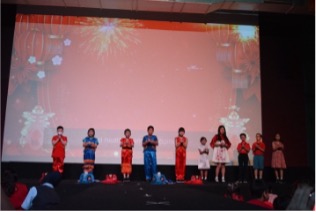
The lion dance performance, commonly known in Indonesia as ‘Barongsai’, brought the celebration to a climax. With two lions, one on the left and one on the right, they bounced and jumped energetically, and the students and parents handed red envelopes to the lions, praying for their families’ health and success in the new year.
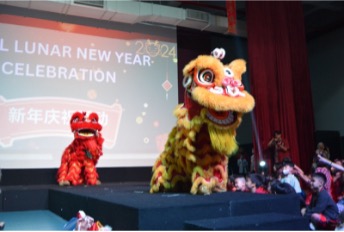
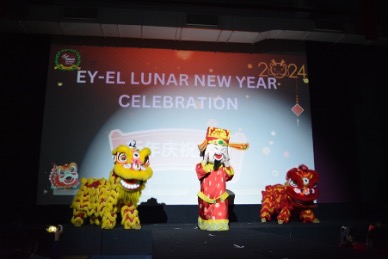
This celebration was a complete success, demonstrating the school’s BINUSIAN SPIRIT values. The joyful atmosphere filled every corner of the school hall. Of course, this would not have been possible without the diligent rehearsals of the students and teachers, the unity and cooperation of the staff, the guidance and advice of the school leaders, and the understanding and support of the parents. The school is like a big family that requires everyone to work together in unity.
SUPERCALIFRAGILISTICEXPIALIDOCIOUS
Monday, October 9, 2023 – BINUS SCHOOL Simprug
By: Camelia Tjandra & Debby Selvianita
Hello IB learners, young artists, and curious minds! Get ready to dive into a cool adventure about making art and showing who we are. This is a unique blog for our grade 2 unit in Binus School Simprug, where we explore a big idea: “How We Express Ourselves.” In this unit, we learned about how to use art to share our thoughts, feelings, ideas, and stories with the world and people around us.
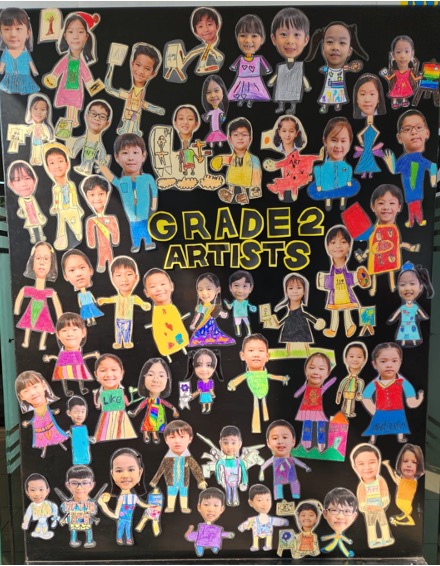
The central idea is like the main point we’ve learned about. This unit gives an opportunity for our students to make art in lots of different ways and for many different reasons. There are many interesting activities we did in this unit. Have you ever drawn a picture, danced, or made something with your hands? That’s art too! We learned why people love to create art and what messages they try to convey to us through their amazing creations.
There are some lines of inquiry we have covered in this unit. First, we learned about how people create art. Do they use paints, crayons, or something completely different? Next is “Why do people make art?” Is it because they’re happy or they want to remember something special? Art can be like a hint that tells us how a person feels.
When you look at a painting or a photograph, have you ever wondered what it is trying to say? This is called the message in art. In this unit, we became detectives and discovered the stories and ideas hidden in works of art. Art isn’t just about us, it is also about our culture and society. We learned that art is like a bridge connecting people around the world, helping us to understand each other’s traditions and beliefs.
So, get ready to explore, imagine, and create as this blog is your ticket to a wonderful world of colors, shapes, and stories brought to life by art. Let’s learn “How we express ourselves” through art!
Marble Painting
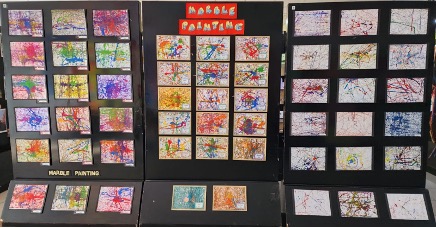
Have you ever wondered how artists made those colorful swirls and twirls on paper? Well, one way they did it was by making marble paintings! We dropped colorful marbles into a box with paint and shook the box around. The marbles rolled and slid through the paint, and made awesome patterns on the paper. Try it and you will be amazed!
Photography
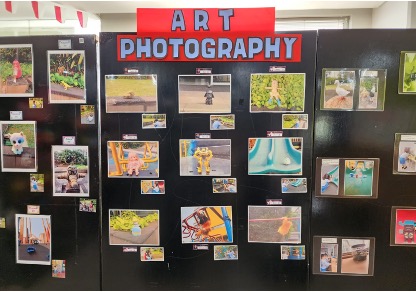
Have you ever seen someone taking pictures with a camera? That’s called photography! Our little photographers used camera phones to capture images of their favorite toys and interesting things around them. The pictures they took tell stories without using any words. It’s like freezing for a moment in time!
Paper Bag Art
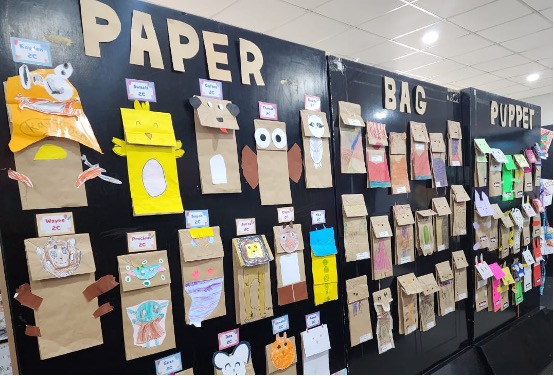
Guess what? Even simple things like paper bags can turn into art! Our grade 2 students painted, decorated, and drew on paper bags to make them look super cool. They turned them into puppets and even colorful creatures. It’s a fun way to make something useful into something beautiful!
Kites
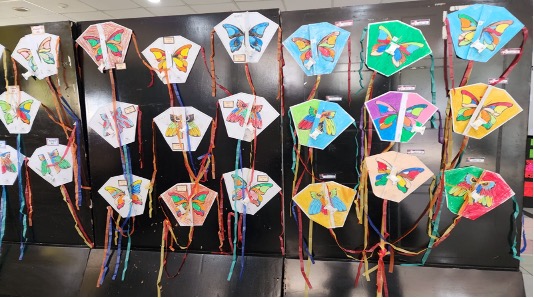
Have you ever flown a kite in the sky? Kites are like colorful birds that dance with the wind. Making kites is an art too! Our little kite artists decorated them with their favorite colors and patterns. When they fly their kites, it’s like they’re showing their art to the sky.
Clay Modeling
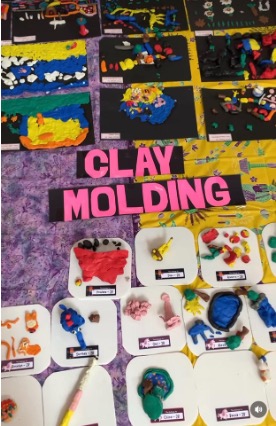
Have you ever played with clay? Binusian Grade 2 artists used clay to make all sorts of things – animals, shapes, and even little sculptures! They used their hands to give clay a special design. It’s like making their own mini masterpieces!
Stone Dot Painting
Did you know that stones can become art too? Grade 2 artists painted tiny dots on stones to create beautiful patterns and pictures. They used cotton buds to make the dots just the right size and put them in different colors. Each stone became a little canvas for their creativity!
Mask
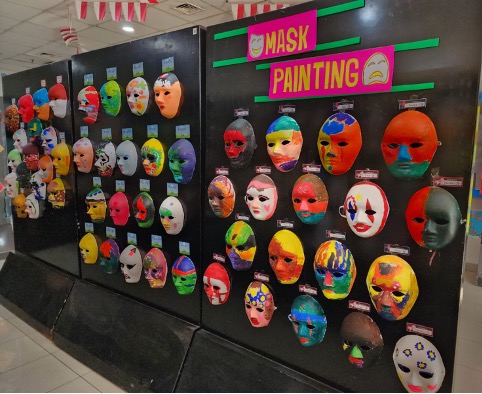
Masks are like colorful faces you can wear! Our young artists decorated masks with paints in a colorful way. Masks can look happy, sad, or even funny. They’re used in celebrations and performances to tell stories without saying a word.
Acrylic on Canvas
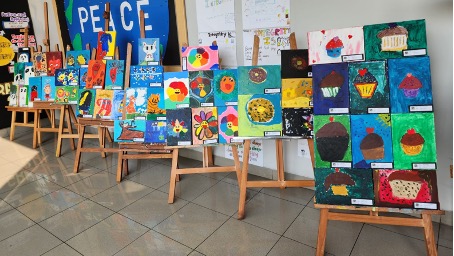
Canvas is like a fancy word for a special kind of paper that artists use to paint big pictures. Like our second graders, you can use brushes, sponges, or even your fingers to put colorful paint on the canvas. It’s like creating a world of colors and shapes in a big blank space!
Isn’t it amazing how art can be so many different things? From painting with marbles to flying kites, artists use their imagination to make the world a more colorful and creative place. So, the next time you draw a picture or make something with your hands, remember that you’re a little artist too!
Guest Speakers
Our unit was made even more special by the presence of guest speakers! They generously shared their wisdom and experiences in photography, architecture, creative storytelling, and Mandala art.
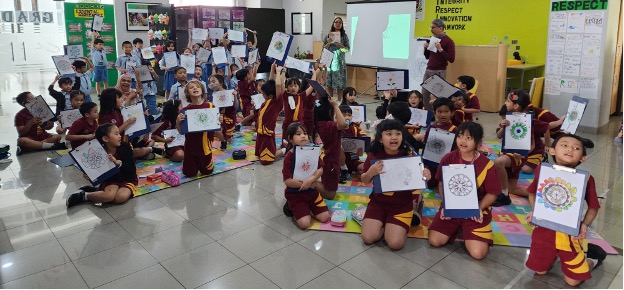
Field Trip to Museum Layang-Layang
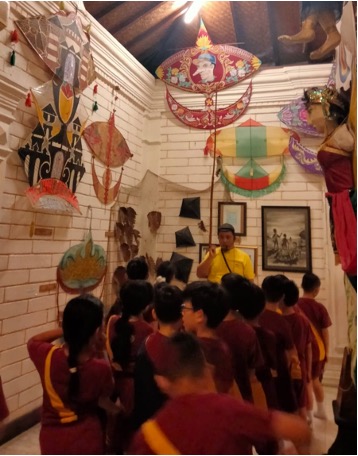
Diving deeper into our learning, our visit to Museum Layang-Layang was our next adventure. This trip also explored the second line of inquiry, “Why people create art”, where the Grade 2 artists made and decorated their kites.
Exploring the museum was the most interesting part for the children. They used their thinking and communication skills during the activities in the museum. They were inquirers by giving many questions to the tour guide. They were amazed looking at kites made of different materials and from different countries.
The students asked questions like, “How do they fly this kite?”, “Can this kite fly?”, and “Who made this kite?”. They were happy to experience their first field trip as they had fun while gaining new knowledge. The students also brought and displayed their beautifully decorated kites at the school’s art exhibition.
Assembly and Art Exhibition
The highlight of this unit was the Art Exhibition, where teachers from various subjects like Bahasa Indonesia, Chinese, Art, Dance, Religion, Music, and PE participated. Students showcased their artwork and put on performances during the opening ceremony, beginning with speeches from our Principal, Mr. Isaac, and Vice Principal and PYP Coordinator, Ms. Richel. The event featured lively dance and singing performances by grade 2 students.
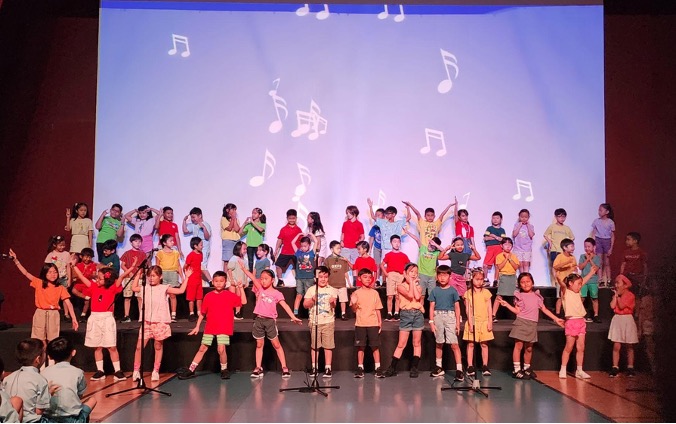
The Art Exhibition last August 30 kicked off with a ribbon-cutting ceremony led by our Principal, Vice Principal, and Affective Coordinator. Parents actively engaged in the event and asked their children conceptual questions such as: ‘How did you create this artwork?’ (form), ‘What message are you trying to convey with this artwork?’ (perspective), and ‘Who is the artist that inspired you to create this artwork?’, ‘Why did that artist create this kind of art?’, and ‘Which among all your masterpiecesare you most proud of and why?’ (reflection).
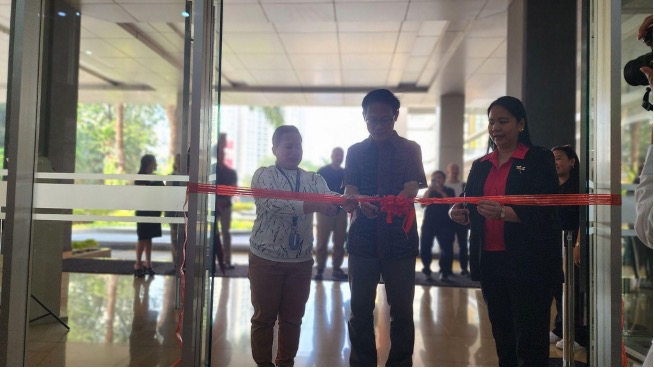

Following the art exhibit tour, parents shared their thoughts on the event. They provided feedback, highlighting their favorite works and leaving heartfelt messages for the children.
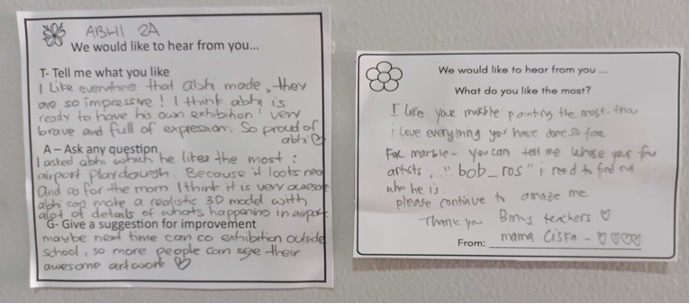
In conclusion, our exploration of the unit, “How We Express Ourselves”, has been nothing short of supercalifragilisticexpialidocious! We’ve witnessed the magic that words can bring to our lives, as they have the power to unlock infinite possibilities. As we wrap up our unit of inquiry, let’s remember that every word, every note, and every gesture we use is a brushstroke on the canvas of life, painting a picture that’s uniquely our own. So, let’s continue to explore, create, and express ourselves in ways that are simple, understandable, and, above all, supercalifragilisticexpialidocious!
TWOGETHER, WE PERSEVERE
Wednesday, September 13, 2023 – BINUS SCHOOL Simprug
By: Jenina Enriquez Siauw
On September 13, the Grade 2 students embarked on an exciting adventure into the world of perseverance!
Learning from the Animal Heroes
It all began when they watched video clips featuring remarkable animals – a determined dog and a resilient panda. These furry friends faced difficulties, yet they overcame each obstacle in their path. As the videos concluded, the room filled with curiosity and enthusiasm as they reflected on what amazing quality these animals possess.
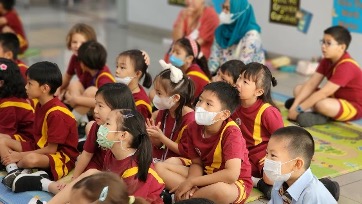
Discovering the Magic Word
With eager anticipation, our students were asked to share their thoughts and insights. In a delightful surprise, a handful of students exclaimed, ‘Perseverance!’ These young learners identified the term that describes incredible determination and recognized that it is one of our BINUSIAN values.
TWO Spirit
To make the concept more accessible to the students, they were introduced to a simple but powerful acronym: TWO.
T stands for ‘Try your best’. The students learned that giving their all is important in achieving their goals.
W stands for ‘Work hard’. They realized the importance of putting in effort and commitment to succeed in anything they set their minds to.
O stands for ‘Overcome obstacles’. Equipped with patience and resilience, our students are prepared to face any challenge and find ways to solve problems.
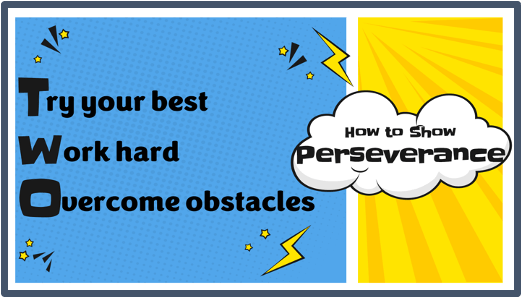
Sharing their Stories
As the assembly continued, our Grade 2 communicators and thinkers shared their own experiences of perseverance.
“I cannot read a lot yet, but I am trying my best.”
“I was scared to talk in front of everyone, but I practiced, and now I feel confident.”
“When I was learning to ride a bike, I fell down, but I did not give up.”
Navigating Challenges
The students then explored strategies when they felt stuck or found something difficult to do. They discovered the value of asking for help, taking deep breaths, and breaking a problem into smaller parts to make a task manageable.
Before the adventure ended, they used their self-management and social skills to create banners demonstrating their understanding of perseverance.
The Power Within Us: Perseverance
This assembly showed the students that setbacks are like pieces of a puzzle, and each piece is as valuable as forming the whole picture.
Let this remind all of us that it is important to “stay calm, focused, never give up, and quickly recover in overcoming challenges.”
After all, perseverance is not just a word. It is a way of life.
EXPLORING NATURE’S WONDERS: GRADE 3 STUDENTS’ FIELD TRIP ADVENTURE IN GODONG IJO
Thursday, August 3, 2023 – BINUS SCHOOL Simprug
By: Albert Arthur
BINUS School Simprug’s steadfast dedication to cultivating innovation and enhancing the school community remains unwavering. Nestled amidst the bustling cityscape of Jakarta lies a serene oasis that has captured the hearts and minds of our grade 3 students. The enchanting destination known as Godong Ijo, often referred to as the ‘Forest in the Middle of the City’, proved to be an ideal spot for our young learners to delve into the mysteries of nature and further their understanding of our current unit of inquiry on “Sharing the Planet.”
Last August 3, at 7:00 in the morning to be precise, our eager students embarked on a journey that promised not only adventure but also valuable insights. As the sun’s rays gently kissed the landscape, our group of excited explorers arrived at Godong Ijo to be greeted with warm smiles from the attentive tour guides, setting the tone for an unforgettable day of learning and exploration.
The day began with an engaging introduction to the park and its various activities. Our students had the opportunity to connect classroom knowledge with real-world experiences as they learned about the rich biodiversity that thrives within the park’s boundaries. The tour guides expertly guided them through the intricate web of life that exists within this lush sanctuary, emphasizing the delicate balance that underpins our planet’s ecosystems.
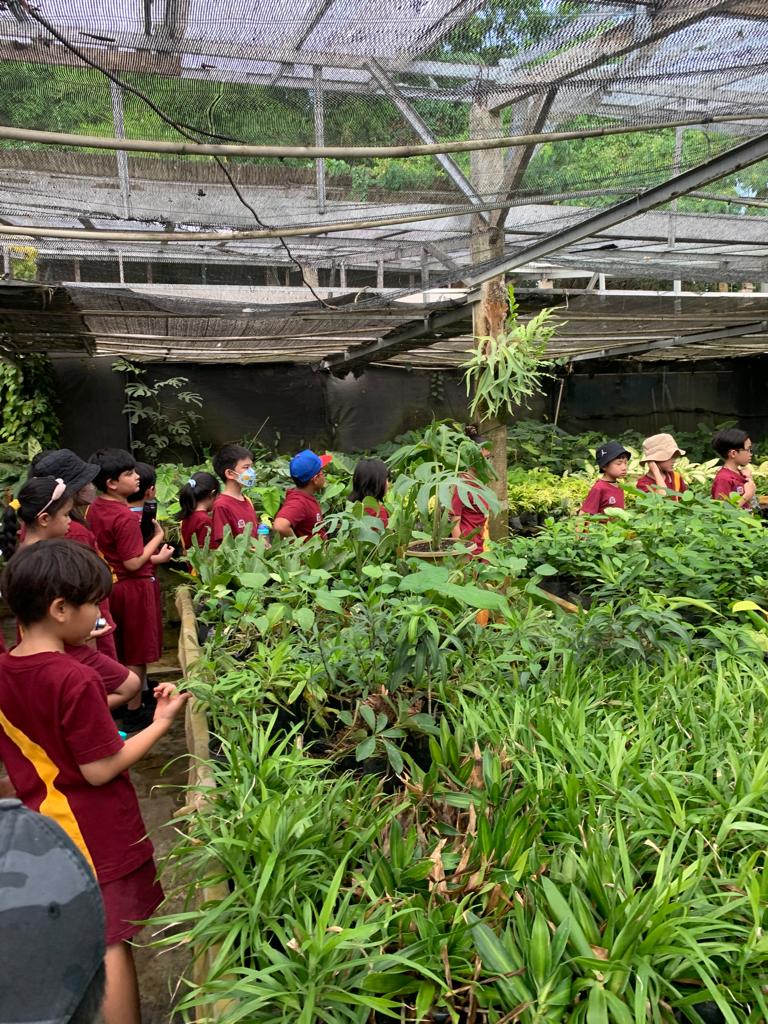
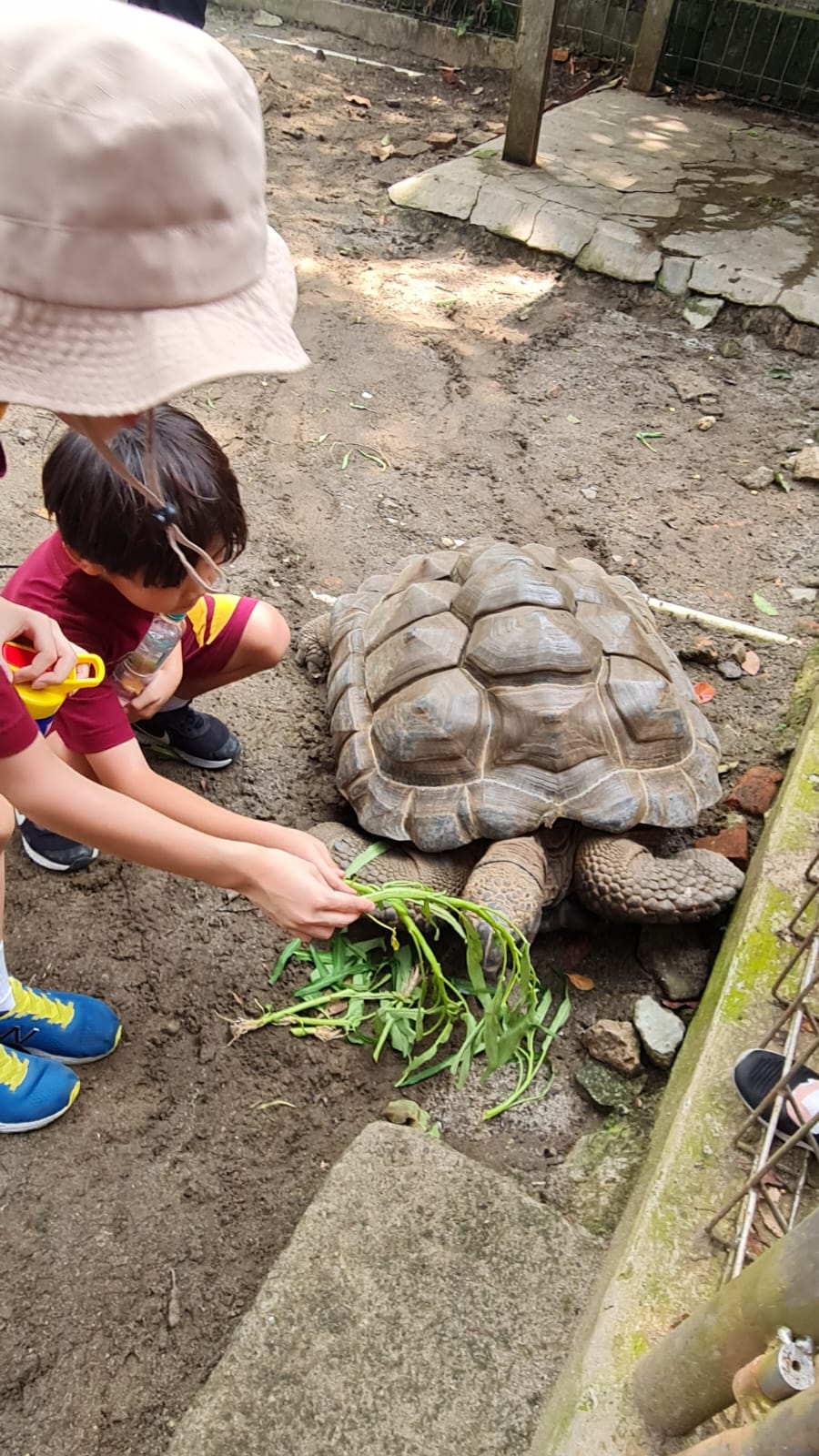
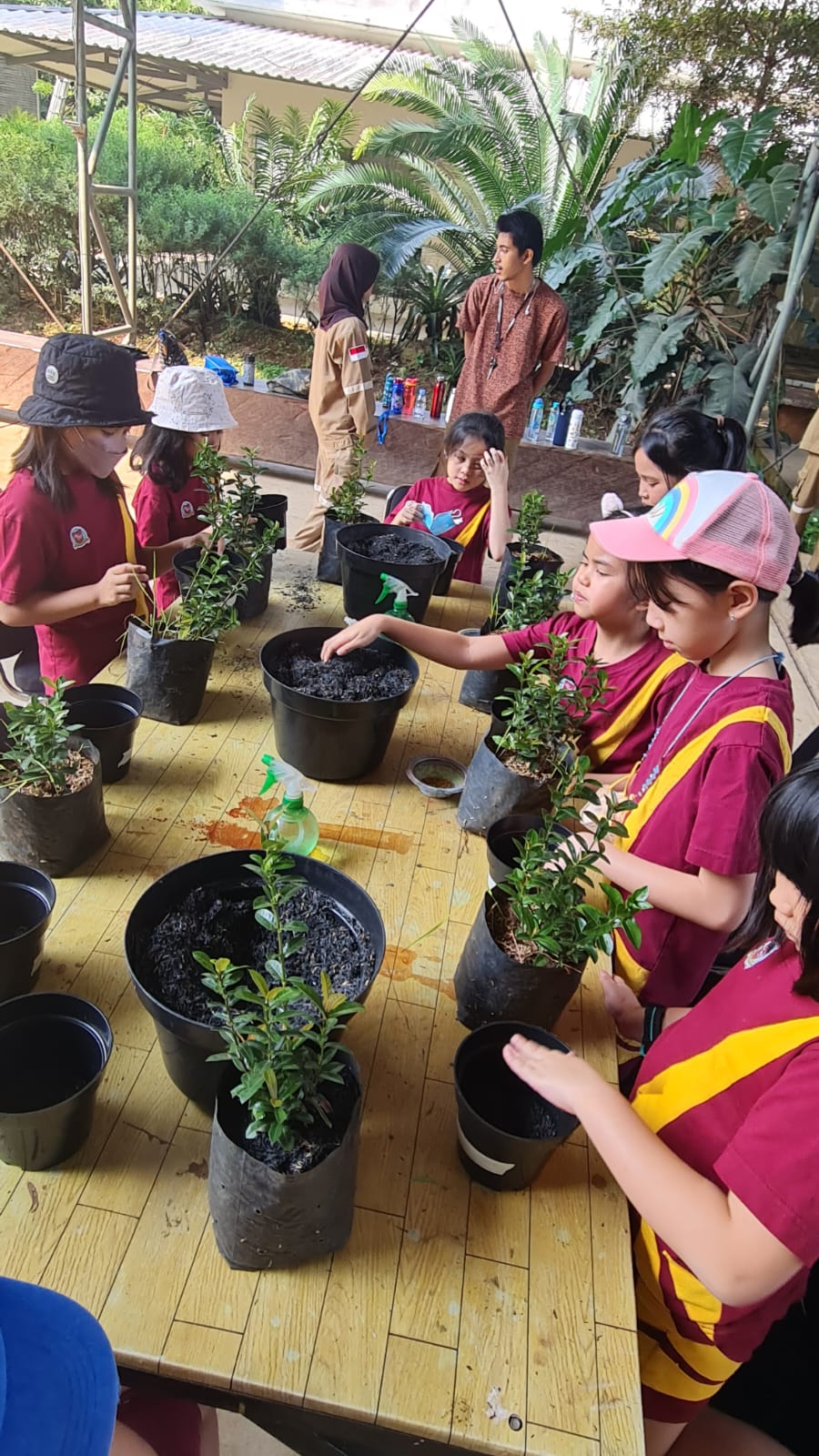
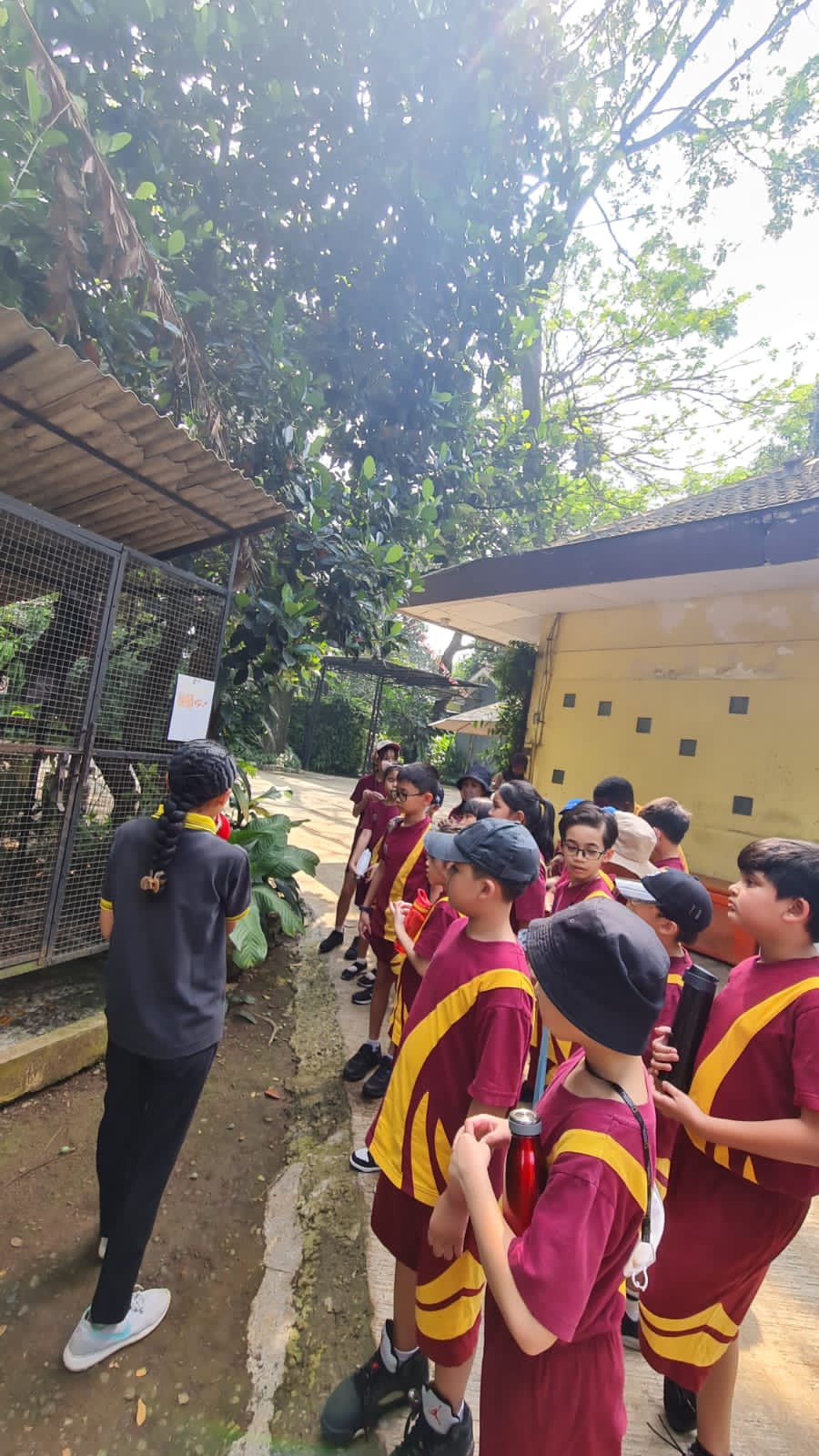
The tale behind the name ‘Godong Ijo’ was unveiled, enchanting our young learners with a story that was as captivating as the surroundings themselves. Translating to ‘Green Leaves’, the name reflected the park’s commitment to preserving and nurturing the greenery that surrounds us. This revelation provided a profound lesson in the significance of safeguarding our environment, aligning perfectly with the principles of our unit of inquiry.
As the day unfolded, the students eagerly participated in a variety of hands-on activities that deepened their connection to the natural world. From guided nature walks that unveiled hidden treasures to interactive workshops that delved into the mysteries of plant life, each experience was a steppingstone toward a more profound appreciation for the planet we share.
The Godong Ijo trip offered a perfect synergy between classroom learning and real-world application. Our grade 3 students returned with a wealth of knowledge and a renewed sense of responsibility towards the environment. The concept of ‘Sharing the Planet’ was no longer just a phrase in a textbook; it had come alive through the sights, sounds, and experiences they encountered.
As we reflect on this enriching excursion, it is evident that Godong Ijo has left an indelible mark on our students. The memory of wandering through lush greenery, the excitement of discovery, and the valuable lessons learned about our planet’s delicate balance will continue to inspire them as they navigate their journey towards becoming responsible global citizens.
In the end, the ‘Forest in the Middle of the City’ proved to be more than just a tourist attraction. It was a classroom without walls, a playground of knowledge, and a living testament to the wonders of nature. Our grade 3 students have returned not only with a greater understanding of our planet’s intricacies but also with the conviction that it is their duty to protect and cherish it for generations to come.
OUR FIRST PYP PARADE OF NATIONS ASSEMBLY CELEBRATES UNITY IN DIVERSITY
Wednesday, August 2, 2023 – BINUS SCHOOL Simprug
By: Lea Sacalamitao-Carbonell
On August 2, 2023, the 8th floor Multi-purpose Hall at our school buzzed with excitement and anticipation as we gathered for our first-ever Parade of Nations assembly. This remarkable event brought together Primary Years Programme students, teachers, and fellow Binusians from diverse nationalities to foster cultural understanding, promote unity, and cultivate respect for one another’s unique traditions and beliefs.
The assembly commenced with a sense of unity and reverence as Maureen from 1B led the Morning Prayer, followed by Clarissa of 1A and Hailey of 1C leading the recitation of Pancasila. These initial moments set the tone for the event as we came together to acknowledge and respect each other’s faiths and values.
Next, we united our voices in harmony, singing both the national anthem, “Indonesia Raya,” and the BINUS School Song. It was a powerful moment of pride and appreciation for our host country, Indonesia, and our beloved BINUS School Simprug.
Our school principal, Mr. Isaac Koh, took the stage and delivered the welcome remarks. He highlighted the significance of interacting with students from different nationalities, emphasizing the positive impact it has on language learning and cross-cultural communication. Mr. Isaac stressed that the Parade of Nations encourages all of us to be respectful, open-minded, and appreciative of diversity in all its forms.
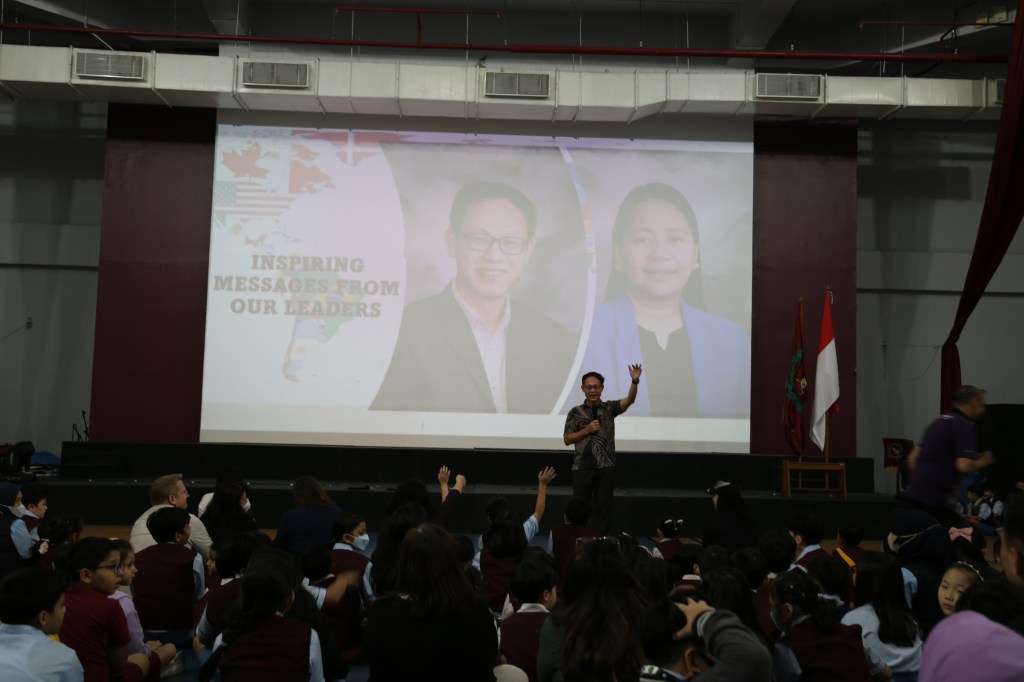
Ms. Richel Langit-Dursin, our early years and elementary vice principal and PYP coordinator who initiated the Parade of Nations assembly, emphasized that the event promotes unity in diversity, creating a safe and respectful learning environment for everyone. Ms. Richel also pointed out that the flags representing different countries where students, teachers and other members of the school community come from symbolize stories of courage, perseverance, resilience, and hope. She encouraged students to find out more about these stories. During the assembly, which is a celebration of our school as one community, students raised their flags to acknowledge their nationality and culture.
The highlight of the assembly was undoubtedly the Parade of Nations itself. Students and teachers walked proudly across the stage, representing their countries of origin, while warmly greeting everyone with “Good Morning” in their national languages. It was a heartwarming sight to witness the sense of pride and joy as individuals showcased their cultural heritage. The hall echoed with thunderous applause and cheers, as we celebrated the unity in our diversity. The event reinforced the notion that regardless of our backgrounds, we are united by the bond of education and the values we share as members of the global community.
After the Parade of Nations, the celebration took on a more profound meaning as the Grade 1 and Grade 3 students took the stage to showcase their cultural performances. Our Grade 3 students mesmerized the audience with a traditional dance called “Adowa” from Ghana, Africa. The dance featured vibrant and rhythmic movements, expressive hand gestures, and coordinated steps, symbolizing the cultural heritage of the Ashanti people. The performance was a beautiful representation of the rich diversity of our school community.
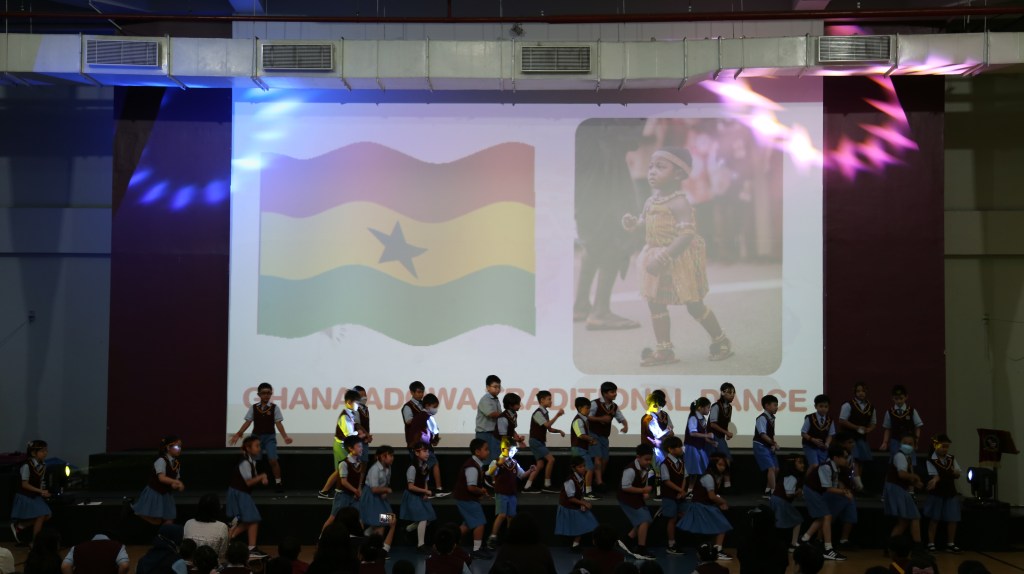
Following this, the Grade 1 students shared a heartwarming cultural song titled, “Hello to all the Children of the World.” The lively melody inspired children to warmly greet and embrace others from diverse backgrounds, nationalities, and cultures. The song’s message of inclusivity and unity resonated deeply with everyone present.
As the assembly drew to a close, Ms. Jocelyn Mondejar, our early years and elementary affective coordinator, delivered the closing remarks, expressing her gratitude for everyone’s presence and active participation. She emphasized the importance of respecting each other’s cultures, beliefs, and traditions, and how this value aligns perfectly with the BINUSIAN SPIRIT Values.
The first Parade of Nations assembly at our school was a resounding success, leaving a lasting impression on the hearts and minds of all who attended. It served as a powerful reminder that when we come together to celebrate our diversity, we strengthen the bond of our community and enrich our collective learning journey. As we continue to build bridges of understanding and respect, we take a step closer toward creating a harmonious and inclusive world for all.
The 12th BALI INTERNATIONAL CHOIR FESTIVAL
Wednesday, August 2, 2023 – BINUS SCHOOL Simprug
By: Tanti Nur Fajri and Virgonia Mahasari
From 25th to 30th July 2023, the BINUS SCHOOL Simprug Student Choir had an invaluable learning experience as they participated in the 12th Bali International Choir Festival, organized by the Bandung Choral Society. This esteemed festival brought together choirs of varying ages and nationalities, performing in front of a panel of world-class choir experts. It marked our first gathering after the pandemic, and we were thrilled to have 16 dedicated Grades 4 to 8 students, who diligently practiced for the past six months.
During the competition round, the BINUS SCHOOL Simprug Student Choir presented captivating renditions of “This Is Me” (arranged by Mac Huff) and “Hakuna Matata” (arranged by Roger Emerson) before a panel of judges hailing from Indonesia, France, Singapore, South Korea, and the Philippines. The invaluable feedback we received will undoubtedly aid our future development, and we proudly secured a silver medal in the Children’s Choir category.
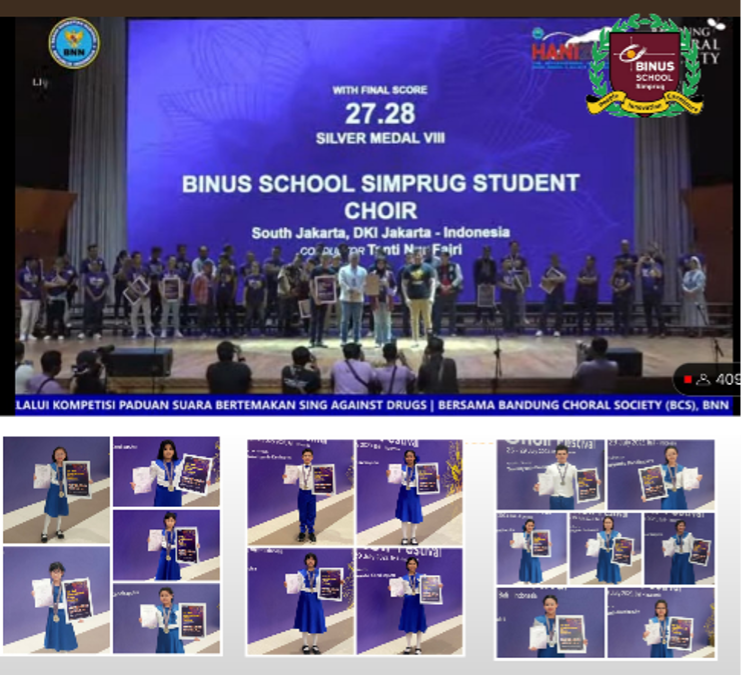
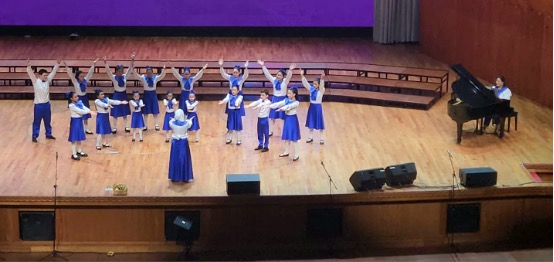
In addition to the competition, we had the privilege of participating in a “Friendship Concert” alongside more advanced choirs. Witnessing other choir performances served as a wellspring of inspiration for our students, broadening their knowledge and perspective on choir singing. A particularly delightful and memorable experience took place when the choir performed against the breathtaking backdrop of Kuta beach, in front of a captivated audience at Discovery Mall Kuta.
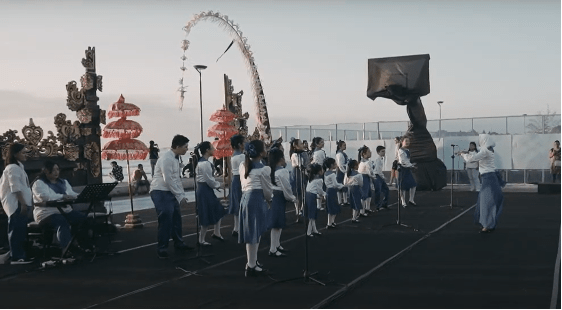
To enrich our learning journey, our students had the privilege of attending an hour-long Choir Clinic led by a renowned choir expert from France, Mr. Jean Baptiste-Bertrand. His guidance provided us with valuable insights into choir singing techniques and fostering meaningful communication with our audience.
One of the choir members, Zalika, reflected on the experience. Below is Zalika’s reflection.
“I have learned that if you are nervous to sing, you can take a deep breath and sing. Then, you will be more confident and your voice will be beautiful always. My goal is to learn more about singing and make other people impressed.”

Beyond the music, the trip offered heartwarming moments of bonding among our students, who shared their passion for singing with one another. As we move forward, we aspire to touch more hearts and continue spreading the joy of choir singing in the future.
The BINUS SCHOOL Simprug Student Choir extends heartfelt gratitude to all the parents, School Executive Committee and all parties that have supported us along the way, without whom this enriching experience would not have been possible. We eagerly look forward to many more melodious adventures in the world of choral music.
EY 3 GUEST SPEAKERS ON RULES AND ROUTINES
Wednesday, August 2, 2023 – BINUS SCHOOL Simprug
By: Agustina Imelda Kurniasari
Our PYP curriculum has something different to offer since a year ago for the little ones in early years 3. Our “How We Organize Ourselves” unit of inquiry, which used to cover a topic about occupations in various communities, now talks about rules and routines in communities. This unit introduces the rules and the routines in a diverse setting, especially the classroom environment since the pupils just start a new academic year.
It is common for students to make new adjustments as they join a new school year in terms of academic, social, and emotional, which involve specific rules and routines for the pupils to perform at their best. Our students have been introduced to rules and routines that happen in different places around the school setting such as the library, clinic, indoor and outdoor playground, and the classroom.
As part of the exploring activity and to support our students’ learning, early years 3 teachers invited the school nurse and doctor to share their knowledge about rules and routines that need to be followed to gain good health. Through songs and simple movements, Dr. Richella and Nurse Debby encouraged the children to apply healthy habits as part of their routine. The habits include washing hands before eating, after playing with pets and after sneezing, eating healthy food and brushing teeth twice a day. The students were able to tell what is good or bad for their bodies.
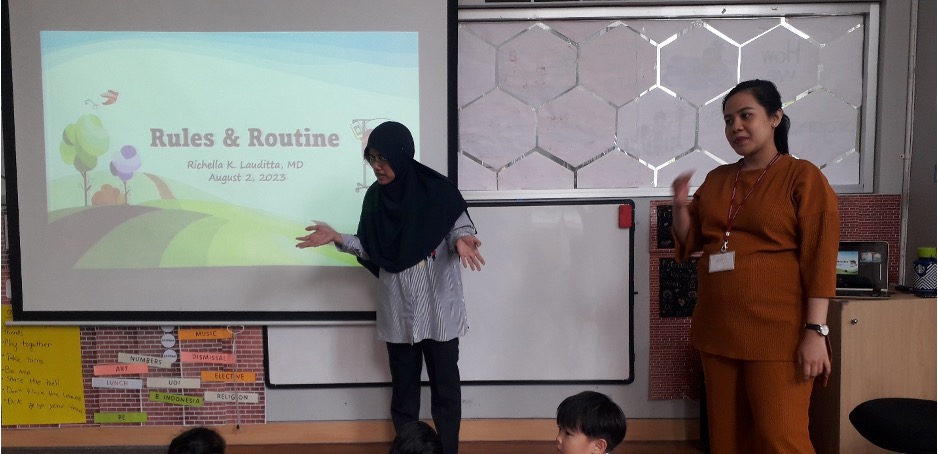
GRADE 5 MOVING-UP CEREMONY – CLASS OF 2030
Tuesday, June 6, 2023 – BINUS SCHOOL Simprug
By: Priyanka Patni
The Grade 5 Moving-Up Ceremony holds importance in a student’s academic journey. It marks the transition from elementary school to middle school, symbolizing the completion of one educational phase and the beginning of another.
June 6 was an important day in the life of grade 5 students of BINUS School Simprug. It was a milestone achievement for the students, wherein their hard work, dedication and academic progress were acknowledged. This event was celebrated in our multi-purpose hall, where grade 5 students made their graduation march to the non-stop applause from their parents and teachers.
After the graduation march, our principal, Mr. Isaac, opened the event formally by congratulating the class of 2030. He acknowledged and congratulated them on their perseverance, commitment and innovative ideas. Mr. Isaac also reminded them to be kind and compassionate as they move on to their Middle Years Programme journey. The opening remarks were followed by the grade 5 students receiving their certificates.
The Moving-Up Ceremony was attended by parents and family members of class of 2030. It provided a chance for parents to witness their child’s achievements and celebrate their transition to middle School. This ceremony also offered an opportunity for grade 5 students to reflect on their personal growth, experiences, and friendships developed during their time in the Primary Years Programme. It allowed them to express their gratitude to their teachers, classmates, and parents for the support they received.
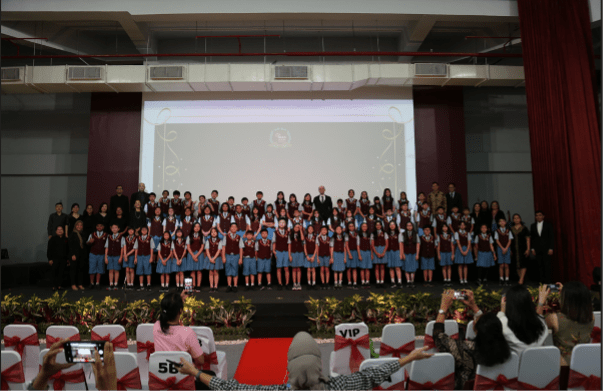
Overall, the Grade 5 Moving-Up Ceremony played a vital role in recognizing our students’ accomplishments, facilitating their transition to a new educational phase, fostering a sense of pride and strengthening the bond within the school community.
EY 3 MOVING-UP CEREMONY – CLASS OF 2035
Monday, June 5, 2023 – BINUS SCHOOL Simprug
By: Atika Priska Gunawan and Geertruida Maya
Last June 5, all early years 3 students lined up and proudly made their graduation march in our multi-purpose hall, accompanied by cheers and applause from BINUS SCHOOL Simprug parents and teachers. It was a memorable day for all of us to celebrate the accomplishments of class of 2035.
We could not express enough how we are proud of each and every one of them as they walked one by one, shook hands, and received their certificates. Class of 2035 is not only special but also unique. They have shown perseverance and are the only batch in early years that experienced the home-learning programme, blended-learning programme, and face-to-face learning classes through the Covid-19 pandemic. They proved that they adapt to innovation; persevere in new, difficult, and challenging learning situations; and are still able to strive for excellence.
We also thank the parents who have given their trust, feedback, and endless support to teachers. To the parents and the students, we wish them all the best in their next journey. We believe that the students will thrive and become high achievers in whatever they choose to do and be lifelong learners who grow up and are ready to build and serve the nation.

CHILDREN’S TALENT FEST 2023
Wednesday, May 31, 2023 – BINUS SCHOOL Simprug
By: Ariane Isti Prihatini
BINUS SCHOOL Simprug once again hosted Children’s Talent Fest to provide a platform for children around the world to express their talents such as storytelling, singing, dancing, monologue, acting, and many more.
This year, a total of 12 schools, including BINUS SCHOOL Simprug, participated in the Children’s Talent Fest. They are Al-Firdaus Solo, BINUS SCHOOL Serpong, Sekolah Cikal Lebak Bulus, Sekolah Cikal Serpong, HOPE Christian School, Tungwah Wenzel International School, Madania Bogor, and Pathways School Noida. The other schools are The Indian Public School Erode, Guadalupe Elementary School, and Lancers International School. Five different countries, namely China, India, Philippines, Vietnam and Indonesia were represented in this year’s Children’s Talent Fest. During our 2023 Children’s Talent Fest, we also invited all the participants to watch the event through Zoom.
For this year’s CTF, we chose twin siblings Mila and Joel from Grade 3 led the Morning Prayer, Pancasila, Indonesia Raya and BINUSIAN Song. For the teacher’s emcees, we chose Mr. Hanz from Grade 1, Mr. James from Grade 5, Ms. Olivia from EY 3, and Ms. Camelia from Grade 2. For our representative, we chose Collin from Grade 1 with his magic show performance.

BINUSIAN TALKS: EMPOWERING VOICES, INSPIRING IDEAS
Monday, May 29, 2023 – BINUS SCHOOL Simprug
By: Zaida Puyo
To uphold the core values of the BINUSIAN SPIRIT (Striving for excellence, Perseverance, Innovation, Respect, Integrity, and Teamwork) and nurture students’ interests and talents, BINUS School Simprug launched “BINUSIAN Talks: Empowering Voices, Inspiring Ideas.” This innovative initiative by Ms. Richel, early years and elementary vice principal and PYP coordinator, is designed to offer students a platform to demonstrate their public speaking skills while cultivating a culture of learning and inspiration within and beyond our school community.
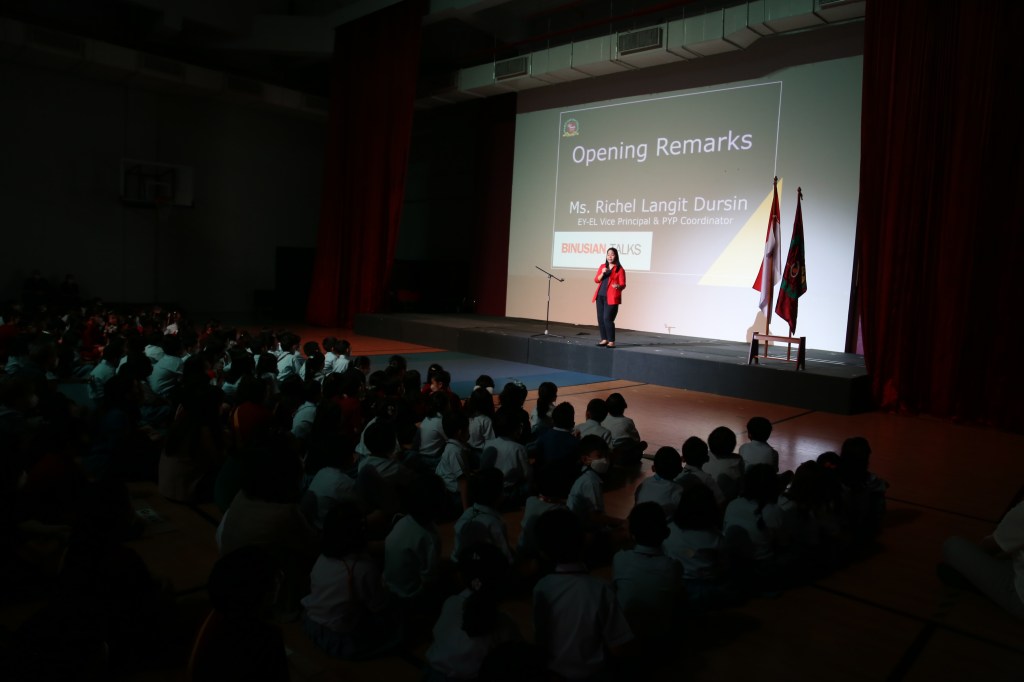
To start the programme, four students from grades three to five confidently shared their ideas through speeches lasting five to six minutes. First, Almaira, Prajjval, Gabrielle, and Kayla prepared their speeches with the guidance of their parents and teachers. They practiced diligently and presented their talks last May 29 in our multi-purpose hall to inspire everyone, including their peers.
Prajjval was the first speaker, and his topic was innovation. He emphasized that innovation is about creating something new and exciting. Additionally, he shared how his parents encouraged him to explore arts and crafts at a young age, nurturing his imagination and developing ideas that were entertaining and useful for school and competitions. Prajjval also proudly shared, “I value innovation because it keeps me interested and helps me grow. Rather than being distracted by things like video games, I prefer to channel my energy into creating something that can make a difference in the world.”
Following Prajjval, Kayla took the stage to discuss striving for excellence and teamwork. She expressed her enthusiasm for sharing with her fellow BINUSIANS the spirit of excellence that resonates within our school community. Furthermore, Kayla highlighted various achievements of BINUSIANS, including earning medals in competitions. Notably, she mentioned the World Scholar’s Cup (WSC) as an event that exemplified the power of the BINUSIANS spirit, where students had the opportunity to shine and bring honour to the school. With this, Kayla encouraged everyone to embrace the spirit of striving for excellence and teamwork.
Almaira, the third speaker, proudly addressed the topic of perseverance. She began her speech with a quote from American inventor Thomas Edison, emphasizing that failures are stepping stones to success. Almaira shared her journey of hard work and dedication in practicing drawing and dance at a young age. Moreover, she expressed gratitude for her mother’s support, love, and determination to succeed. Almaira’s speech resonated with her fellow BINUSIANS, as she encouraged them never to give up on their dreams and to keep practicing and improving their skills, no matter how challenging it may seem. She reminded everyone that with perseverance, anything is possible.
Gabrielle was the last speaker, and she shared her experiences in the Primary Years Programme exhibition, focusing on broadcast media. She proudly expressed that she relied on the BINUSIAN SPIRIT throughout the PYP exhibition. She claimed that this spirit helped her learn about future developments and build her strengths. Gabrielle also shared the “S.L.I.C.E” strategy to filter news. “S.L.I.C.E. stands for S – Stop! Don’t believe it right away; L – Listen again carefully; I – Inquiry to see if it’s a fake or fact; C – Check or verify the news from reliable sources; and E – Eliminate inappropriate content and fake news.

The event was coordinated by Ms. Imelda, Ms. Martha, and Ms. Zaida, with the support of the school executives, PYP teachers, and parents. Their collaborative efforts ensured the success of providing a platform for students to share their inspiring ideas. Undoubtedly, the BINUSIAN Talks fosters a culture of learning and inspiration within and beyond the school community, encouraging students to explore their potential and showcase their unique voices.
2023 PYP EXHIBITION
Thursday – Friday, May 25 – 26, 2023 – BINUS SCHOOL Simprug
By: Freitz Talavera
A Voice to Make a Difference
The whole school community was excited to be back to in-person Primary Years Program exhibition after conducting it online for three consecutive years due to the pandemic. Last 25th and 26th of May, the grade 5 students held the culminating and significant event of their primary years’ education, the PYP exhibition!
The grade 5 students geared up to start their PYP exhibition with the transdisciplinary theme, ‘How We Express Ourselves’. The central idea was ‘The media can change people’s way of thinking and choices and lines of inquiry included different types of media, roles and responsibilities of media, and impacts of media.
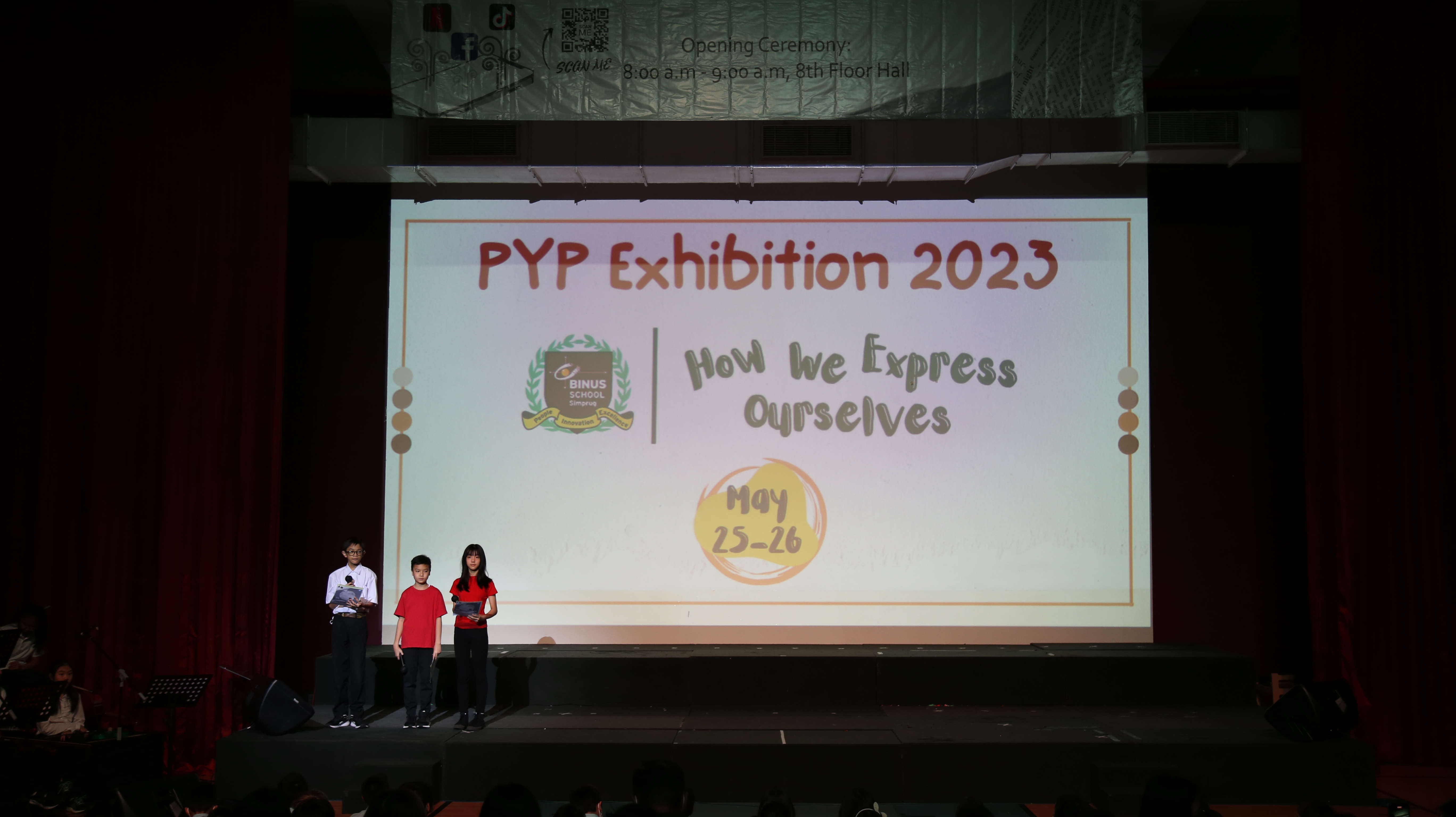
When they were in grade 4, a poll was conducted to find one which transdisciplinary theme they would want to do for their exhibition, and ‘How We Express Ourselves’ got the most number of votes.
As tuning in, the students brainstormed some local and global media issues and selected one that got their interest. The media issues that they chose were the declining role of print media, cyberbullying, misinformation, fake news, spreading hate, plagiarism, broadcast media, media rivalry, and social media addiction.
The students then investigated about it through research and conducted interviews to get primary sources. By this, they were able to find solutions to alleviate or lessen the impacts of these media issues.

During the exhibition preparation, the grade 5 students developed the approaches to learning skills and displayed the IB learner profile attributes. They also showed their learning through their action plans that they conducted. Through their action, they developed a new understanding as they conducted information campaigns and administered surveys. The PYP exhibition has changed the perspective of the students about these particular issues, and provided them the voice to make a difference in the community and the world.
You may visit this year’s PYP exhibition blog: 2023 Binus School Simprug PYP Exhibition Blog
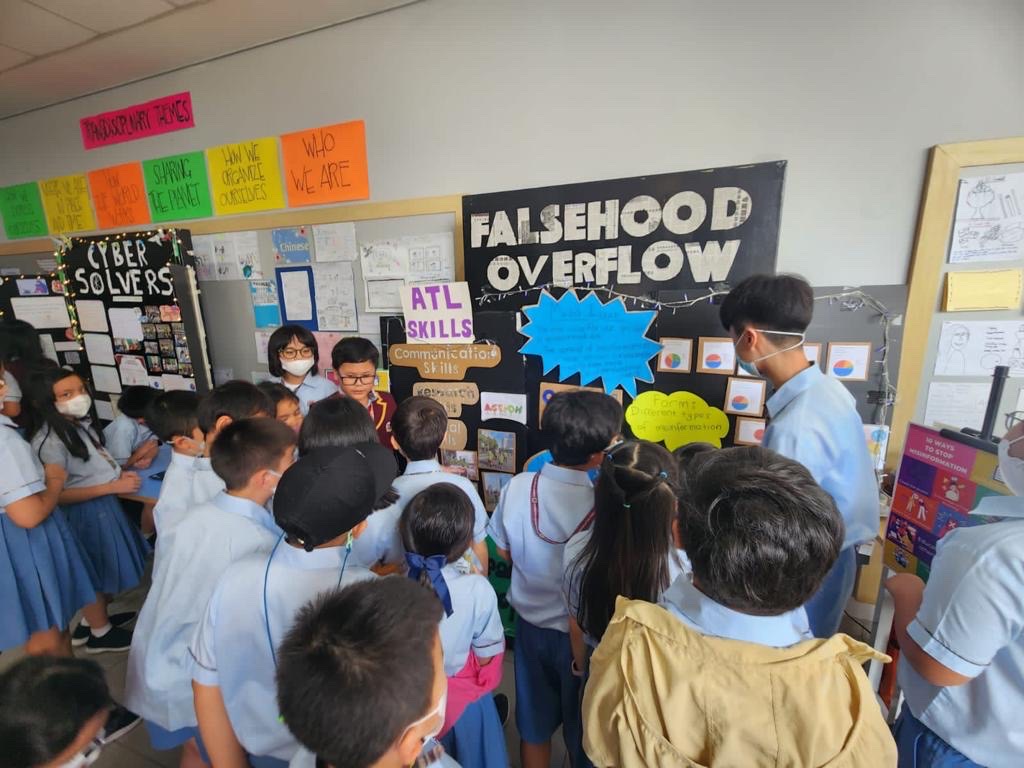
PYP FAMILY FUN DAY
Saturday, May 13, 2023 – BINUS SCHOOL Simprug
By: Jefferson Guingab
The Family Fun Day is an initiative by PYP teachers to highlight our BINUS vision of “fostering and empowering society in building and serving the nation”. The event was also aimed at promoting collaborative engagements and Sustainable Development Goal #3: “Good Health and Well-Being.”
In addition, we had the PYP Family Fun Day to motivate members of the BINUSIAN community to demonstrate the BINUSIAN SPRIT (Striving for Excellence, Perseverance, Innovation, Respect, Integrity, and Teamwork) through a variety of activities and games such as adventure challenges and target games.
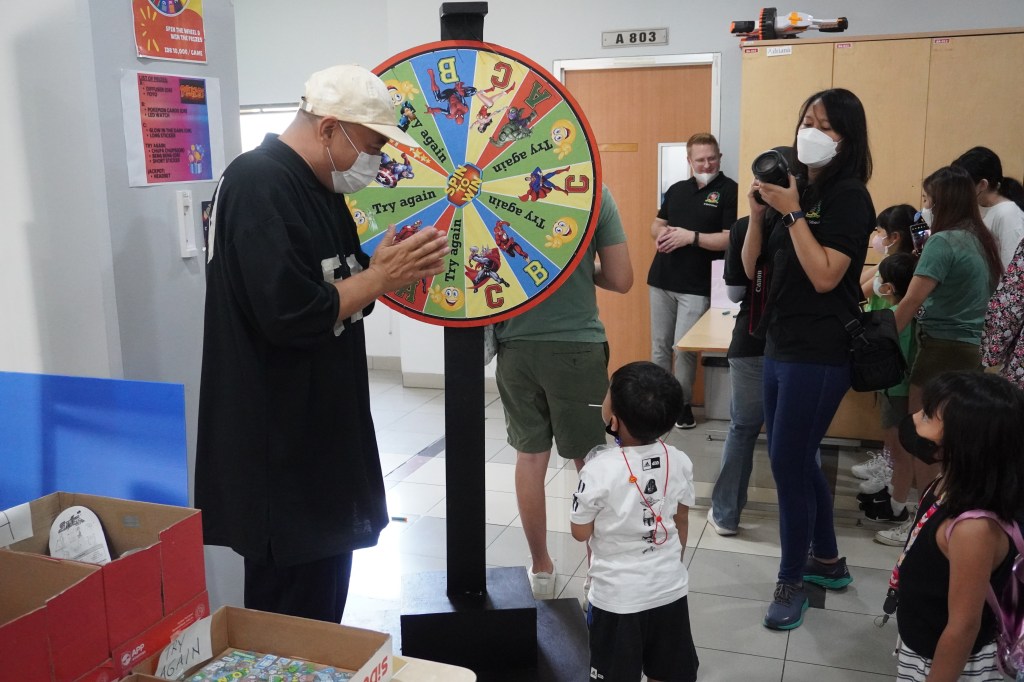
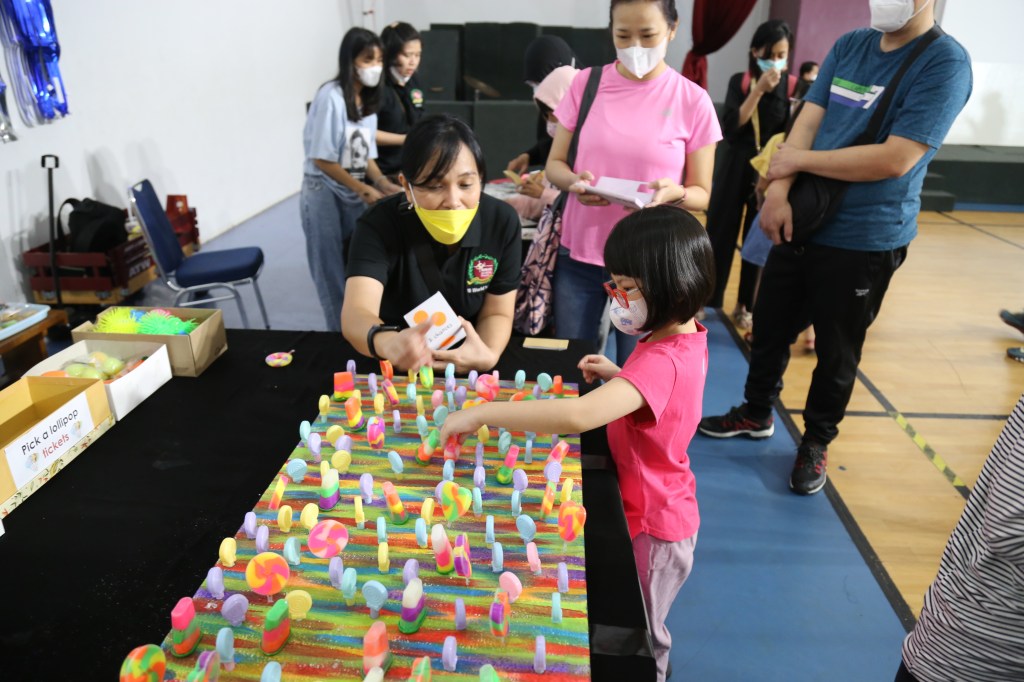
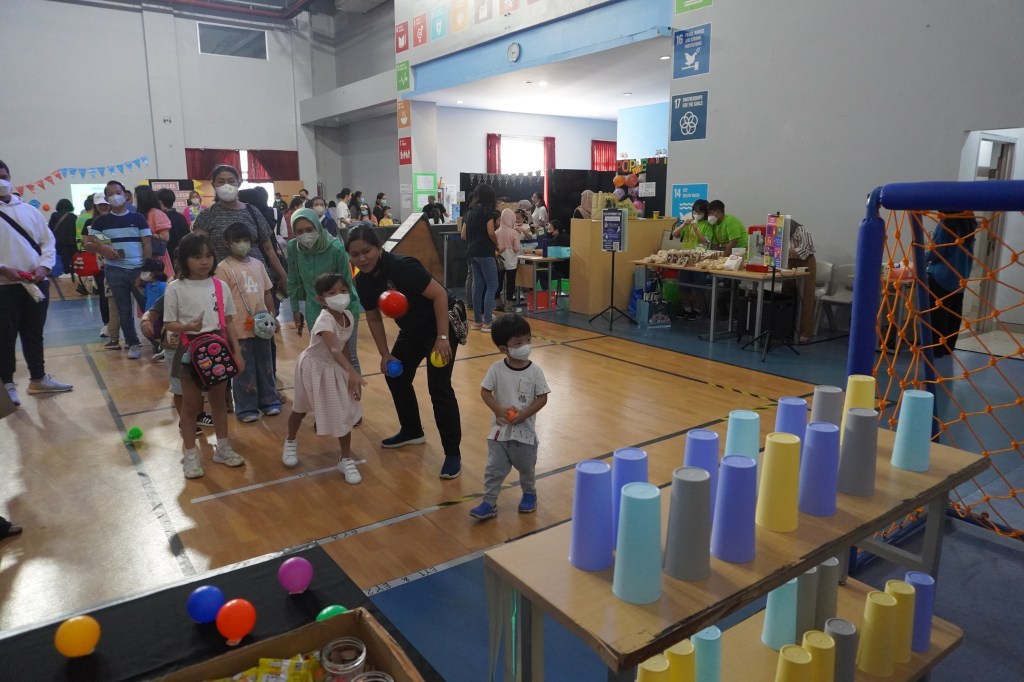
 The Binusian