By : Wienda Trisna Wiedhawaty
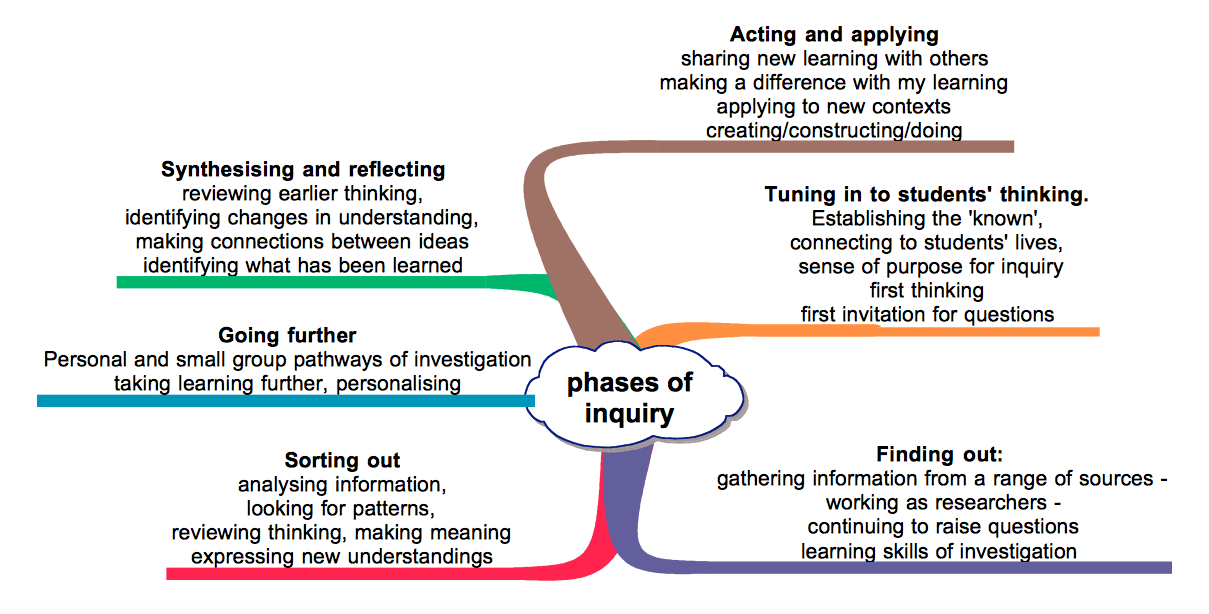
The PYP exhibition is an event where upper-grade IB elementary students (usually in the fifth or sixth grade, depending on the school) come together to showcase their understanding of a chosen issue or topic that they covered. It allows students to share their learning and take action related to the topic they have explored, either individually or collaboratively. In preparation for the PYP exhibition, students need to go through some steps known as “phases of inquiry” such as tuning in, finding out, sorting out, going further, synthesising and reflecting, and acting and applying. These steps from Kath Murdoch’s inquiry model guide them through the process and help them to determine the type of action they will take as a result of their exhibition.
Let’s start with the first step, Tuning in. In this phase, students explored their prior knowledge, asked questions, and identified their interests before they chose their topic and the issues. The students had the opportunity to hear from various guest speakers who will introduce the PYP exhibition and provide more knowledge. At BINUS School Simprug, we usually invite several internal and external guest speakers who are experts in their fields to help the students understand the exhibition process and issues.
This year’s PYP exhibition unit conducted by our grade 5 students was about media and the guest speakers covered some topics such as creating central ideas, developing lines of inquiry, exploring different approaches to learning, understanding the concept of a human library, discussing how to avoid plagiarism and academic integrity, as well as teaching the students how to effectively paraphrase their research. After they got some insights from the guest speakers, grade 5 students grouped themselves and chose the media issues based on their interests. Former grade 5 students were also invited to share their inspirational experiences during the preparation until the day of the presentation. With all these things, the expectation is for our grade 5 students to gain a deeper understanding of the PYP exhibition and have better preparation.
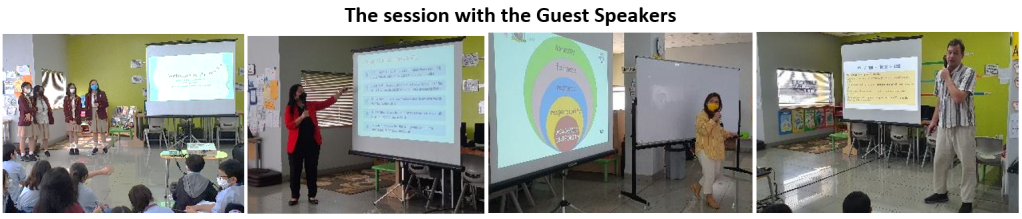
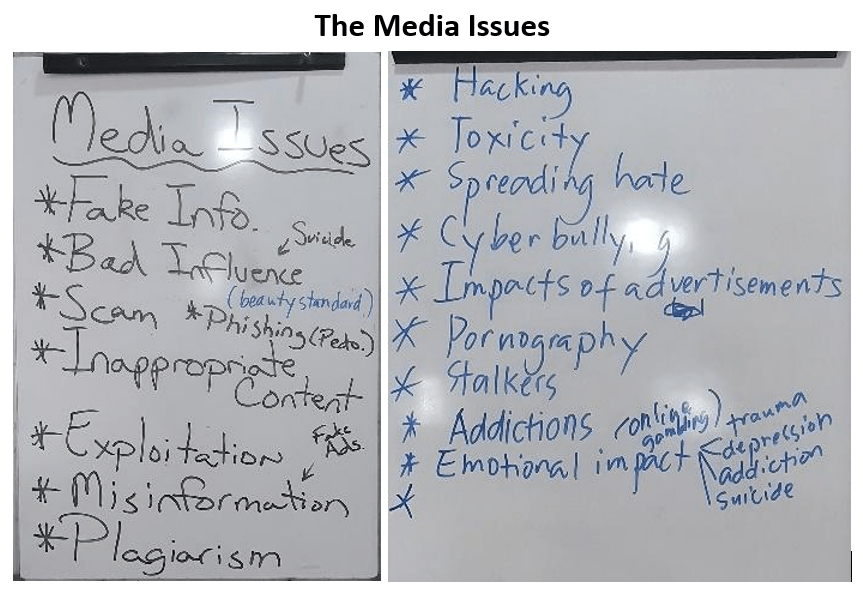
The next phase is Finding Out. During this phase, the students are expected to gain more specific knowledge from the different types of resources. This year the students chose a specific issue that they wanted to find out more about. We invited some guest speakers such as Ms. Kathy Castro from ASEAN Magazine, Ms. Anya from AFP (Agence France-Presse), Ms. Richel (BINUS School Simprug Early Years and Elementary vice principal & PYP coordinator), Ms. Sapariah from Mongabay news web portal), and many more, who are experts in their respective fields. They covered different topics like how digital media works, journalism, social media addiction, media 101 for the next generation, and how to distinguish between real news and fake news. They also attended and watched online and offline PYP exhibition presentations from other IB schools and had guests from another school who presented their PYP exhibition actions. These activities provided valuable opportunities for the students to ask more questions from the experts, learn from different resources and perspectives, and gain more insights about the project from other schools.
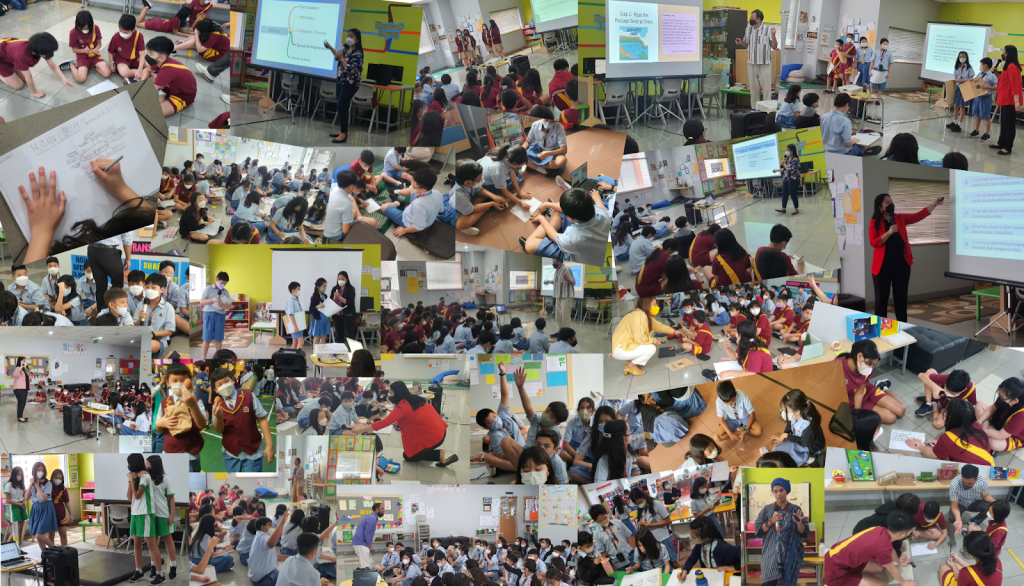
The third phase is Sorting out the information that they gathered from the Finding out stage. They analyzed, interpreted, and made conclusions about the information that they had. They consulted and communicated everything with their parent and teacher mentors – their contributions played a very important role in the PYP exhibition process. They guided what the students should do, gave them support, and helped to find the resource people to be interviewed. The mentors also helped them in setting the goals, providing feedback, and choosing the action that they wanted to do.

Next is the Going Further phase, where the students needed to dig deeper and gather more information from the experts and find additional resources to enrich their references to their chosen topic. During this phase, the students had the opportunity to engage in various activities to gather additional information and enhance their preparation. Some of these activities included: conducting surveys, and interviews, visiting online and offline libraries, watching documentary videos, and company visits. These activities not only enriched their understanding but also allowed them to make connections between their research and real-world applications.
The fifth and sixth phases are ‘synthesising and reflecting’ and ‘acting and applying.’ In these phases, students revised their understanding from ‘what I used to think’ to ‘what I now know.’ They also reflected on their feelings throughout the entire process, starting from the beginning and continuing through each of these phases. During this stage, they were trained to engage in high-level thinking about the topic and identified the actions they would take and how to implement them. They asked themselves some questions such as ‘what can we do with this?’, ‘what can I do now?’, ‘how can I/we use this?’, and ‘is there an important action that they can take to support their final result?’ These phases were integrated throughout the unit, and explicit connections were articulated. The actions that came out also were either collective or personal, depending on their own choice.
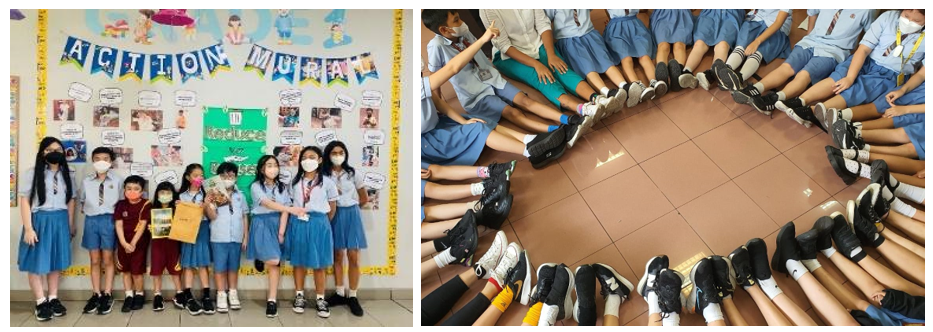
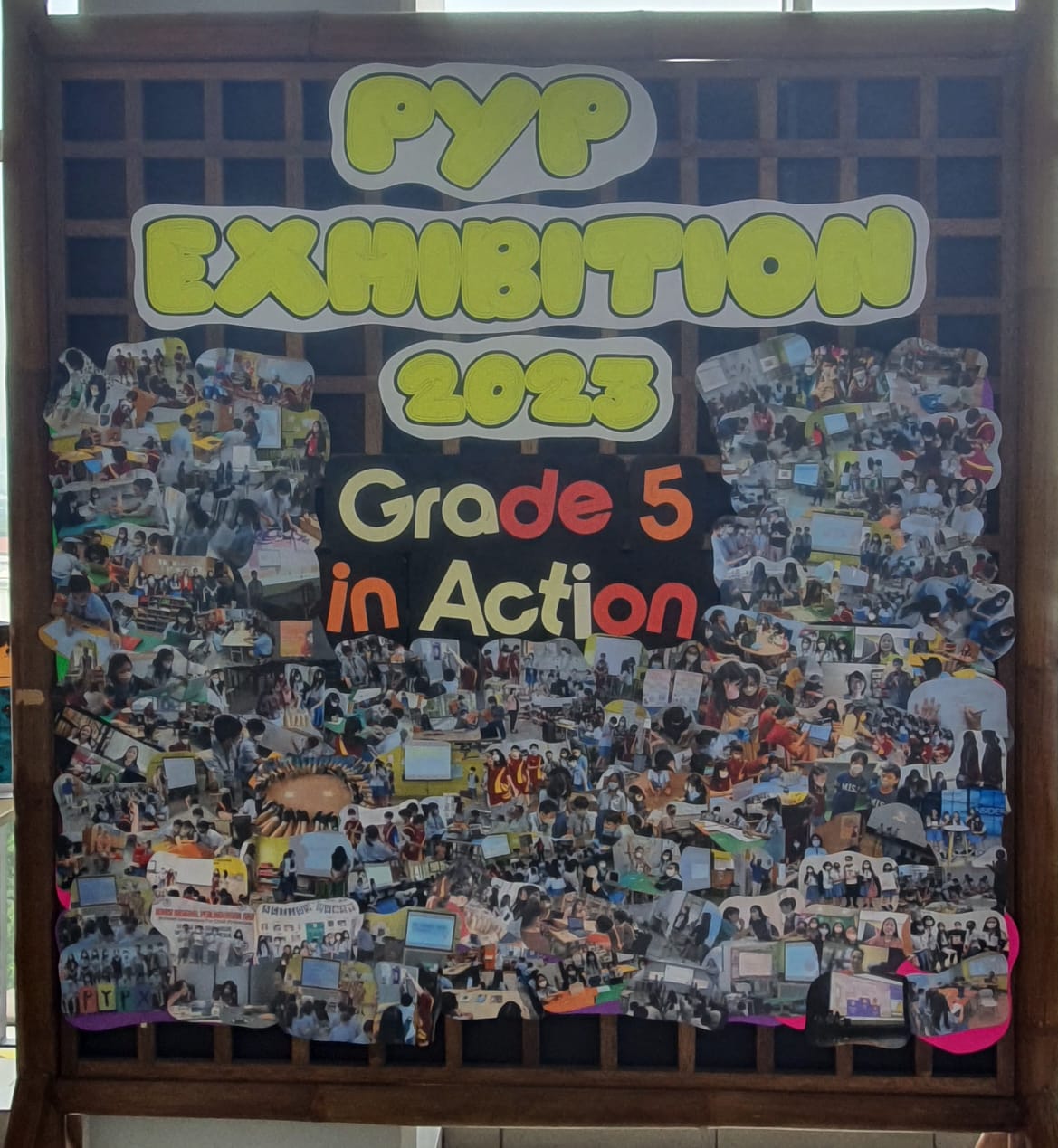
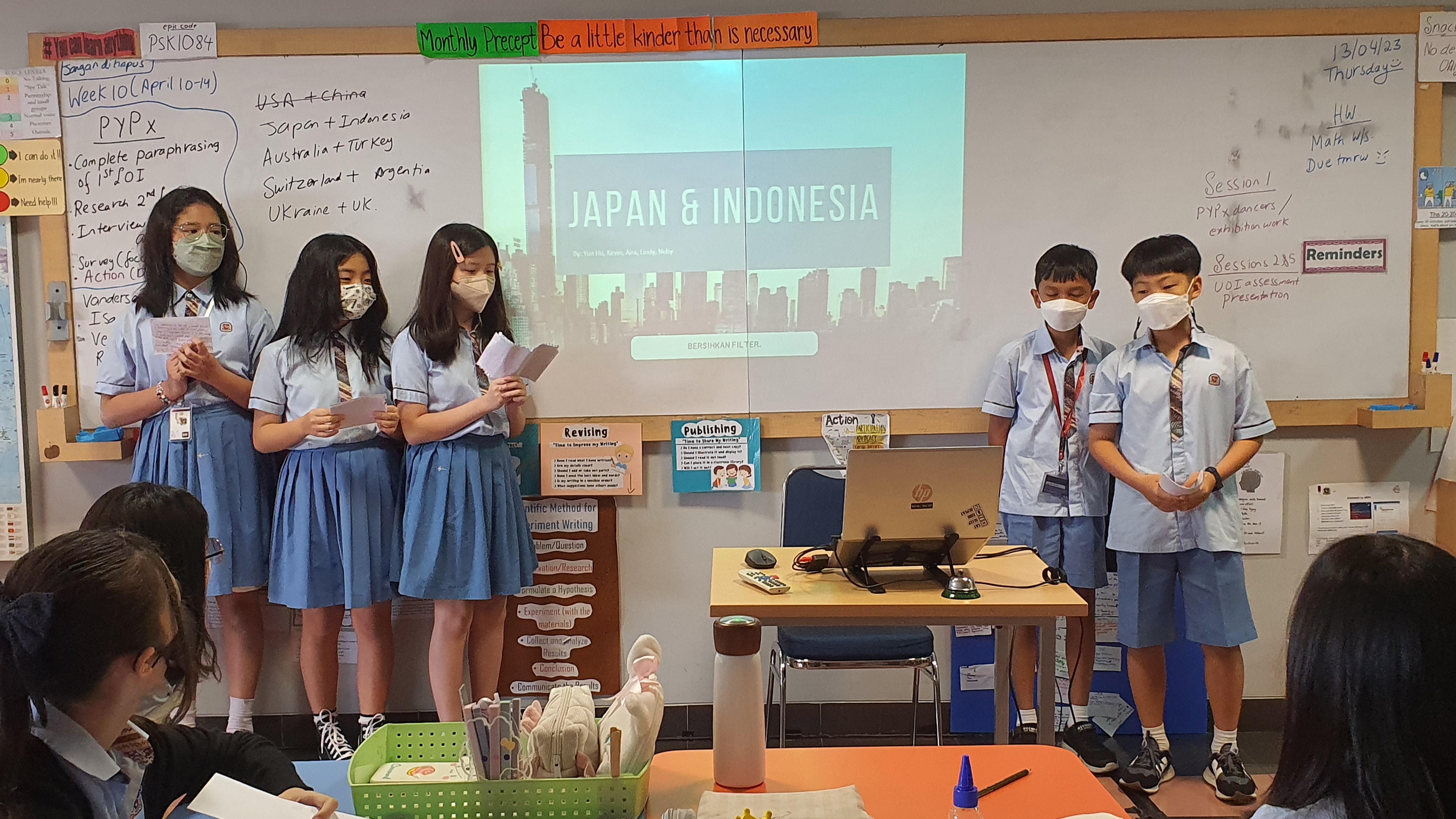
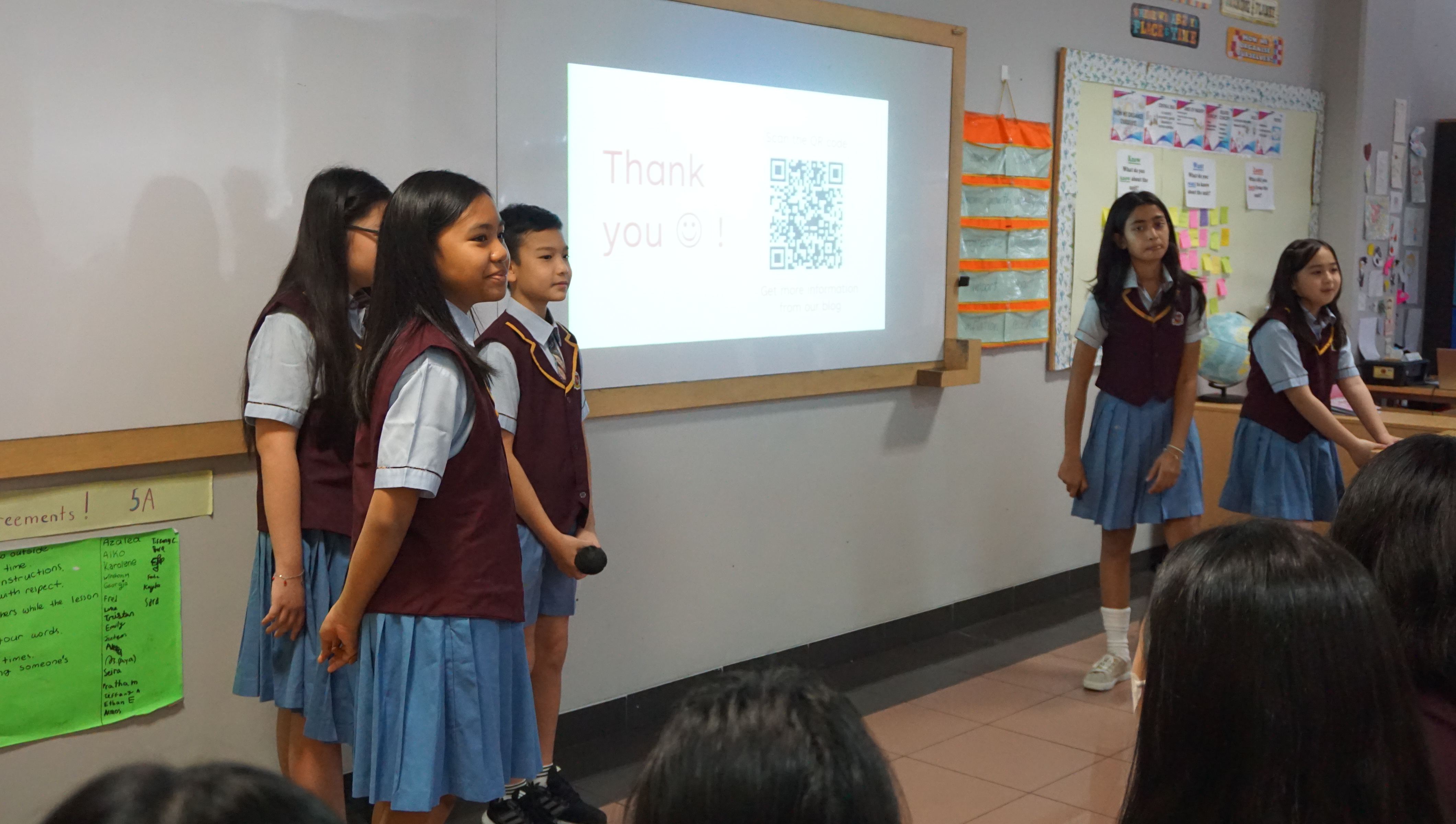
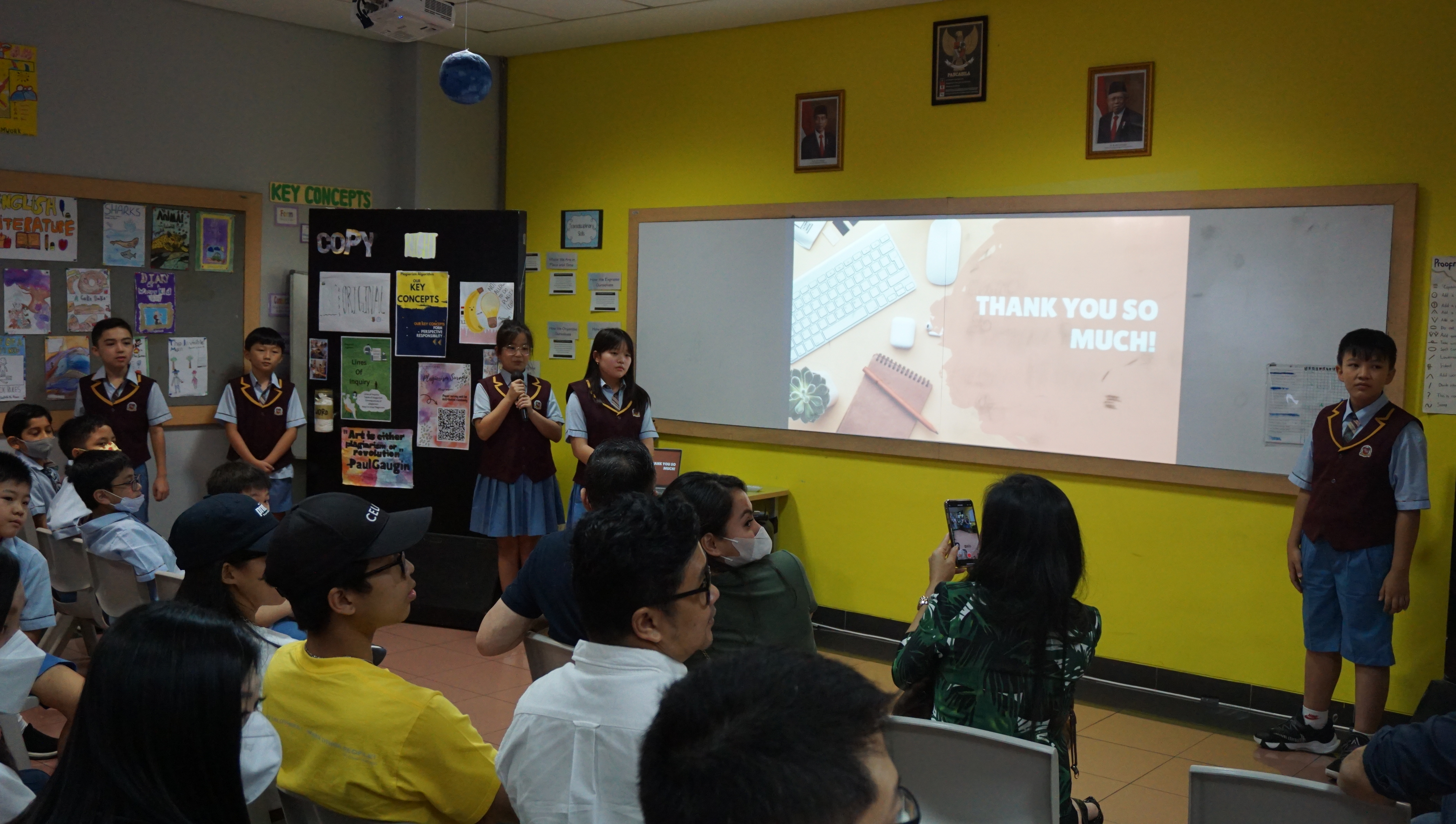
The final phase was the presentation time! The students shared to the whole school community what they found out! Hooray! It kicked off with a celebration where they showcased their role plays, singing, and dance performances in front of an audience. Guests from other schools were invited, as well as parents of the students. The students demonstrated their pride in their achievements throughout the entire PYP exhibition journey, from start to finish. The performances they presented were themed according to the relevant unit of inquiry which was, ‘How we express ourselves.’ We collaborated with several subject teachers to ensure that the performances aligned with the transdisciplinary theme. After they completed their performances, we proceeded with the student presentations. The students took great pride in their accomplishments, and there was a palpable sense of relief after they finished their presentations in front of the audience.

 The Binusian